Mastering Brand Consistency: Your Step-by-Step Guide to a Powerful Brand Style Guide
Why a Brand Style Guide is Non-Negotiable for Your Business
Many businesses, especially startups and SMEs, often view a brand style guide as an optional extra, a task to be tackled “someday.” This perspective is a critical misstep. A well-defined style guide is the bedrock of effective branding, offering tangible benefits that directly impact your bottom line and market position.
Firstly, it ensures unwavering consistency. In a fragmented digital landscape, your audience encounters your brand across numerous channels: social media, email, website, print materials, partner collaborations, and more. Without a centralized guide, each creator or department might interpret your brand differently, leading to a disjointed and unprofessional image. Consistent brands are 3.5 times more likely to enjoy excellent brand visibility than inconsistent ones. This consistency builds trust and familiarity, making your brand instantly recognizable and reliable.
Secondly, a style guide boosts operational efficiency and saves significant time and resources. Imagine a scenario where every designer, content writer, or marketing specialist needs to guess your brand’s preferred font, color codes, tone of voice, or logo usage rules. This guesswork leads to endless revisions, wasted hours, and increased project costs. A style guide provides clear directives, empowering your team and external partners (agencies, freelancers) to produce on-brand materials from the outset. This translates directly into faster project completion and reduced expenditure on corrections. For instance, companies with strong brand guidelines report a 25% reduction in project timelines related to branding elements.
Thirdly, it strengthens brand equity and market differentiation. In a crowded marketplace, standing out is paramount. A distinct, consistently applied brand identity helps carve out a unique space in your audience’s mind. It communicates professionalism, attention to detail, and a clear understanding of your value proposition. This differentiation is crucial for attracting and retaining customers, commanding premium pricing, and fostering a loyal community around your brand. It also serves as a critical resource for onboarding new employees, ensuring they quickly grasp and embody your brand’s essence.
The Pre-Flight Checklist: Laying Your Brand’s Foundation
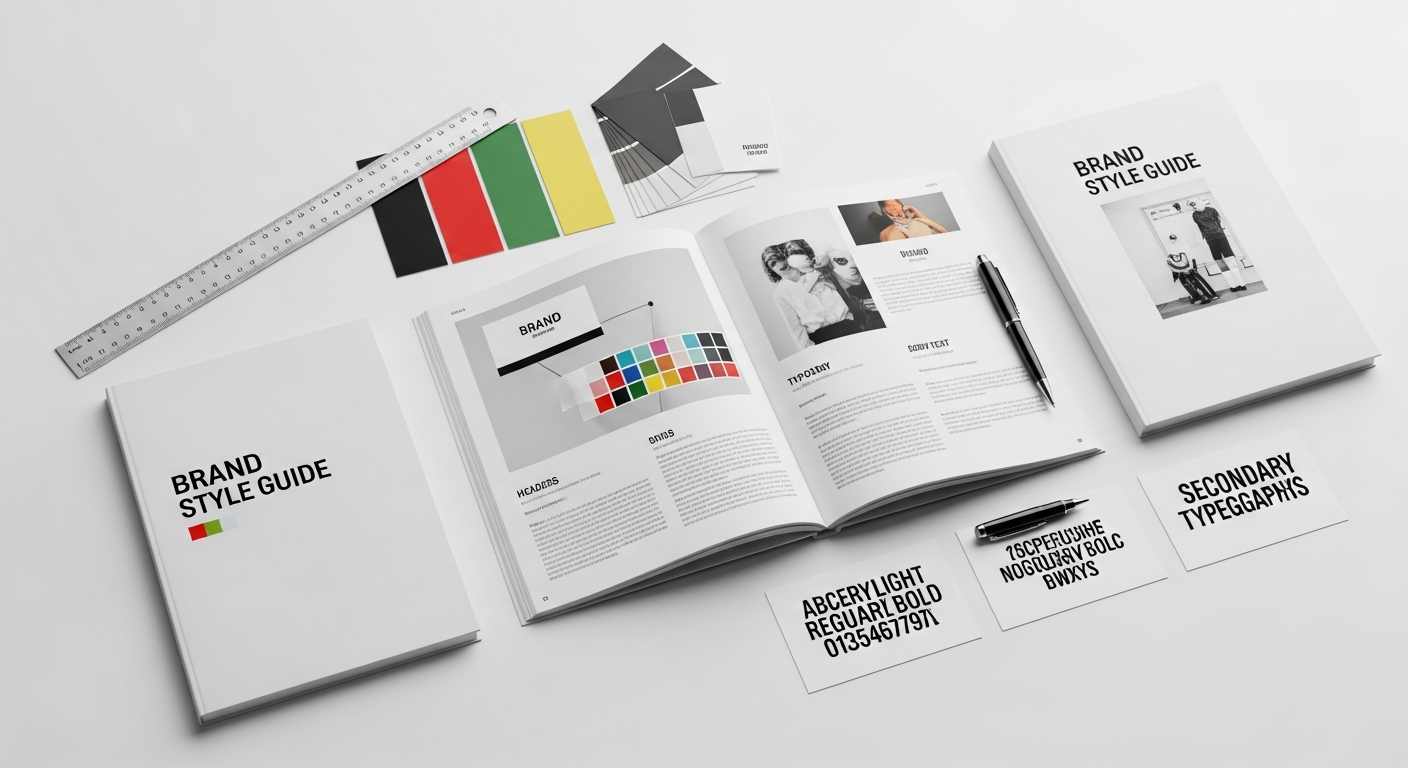
Before you even think about fonts or color palettes, you need to establish the core identity of your brand. This foundational work is critical, as it informs every visual and verbal decision you’ll make in your style guide. Skipping this step is like building a house without blueprints – it might stand, but it won’t be stable or fit for purpose.
Here’s your essential pre-flight checklist:
1. Define Your Brand Mission, Vision, and Values
Your mission statement articulates your company’s purpose, what you do, and for whom. It’s your “why.” Your vision statement describes your desired future state, where you’re headed. Your values are the guiding principles that dictate your behavior and decisions. These three elements form the philosophical core of your brand and will influence your brand’s voice and tone.
* Action: Conduct a workshop with key stakeholders to articulate these clearly. Ask: “Why do we exist?” “What future are we trying to create?” “What do we stand for?”
2. Understand Your Target Audience
You cannot effectively communicate if you don’t know who you’re talking to. A deep understanding of your target audience’s demographics, psychographics, pain points, aspirations, and communication preferences is vital. This will dictate your messaging, imagery, and even the platforms you prioritize.
* Action: Develop detailed buyer personas. Use customer data, surveys, interviews, and market research. Consider their professional roles, industry challenges, and how they consume information.
3. Articulate Your Unique Selling Proposition (USP)
What makes your brand different? Why should customers choose you over competitors? Your USP is the unique benefit you offer that your competitors don’t or can’t easily replicate. This differentiator must be clearly communicated across all brand touchpoints.
* Action: Analyze your product/service, your competitors, and your market. Identify what truly sets you apart and how you solve a specific problem better than anyone else.
4. Identify Your Brand Personality and Archetype
Is your brand innovative and disruptive (the Rebel)? Trustworthy and reliable (the Innocent)? Sophisticated and luxurious (the Ruler)? Defining your brand personality helps shape your brand’s voice, visual style, and overall demeanor. Many businesses find aligning with a brand archetype (e.g., Carl Jung’s 12 archetypes) a useful framework.
Action: Brainstorm adjectives that describe your brand as if it were a person. Consider how you want customers to feel* when they interact with your brand.
5. Research Competitors and Industry Trends
While you want to be unique, it’s crucial to understand the competitive landscape. What are your competitors doing well? Where are their gaps? What visual and verbal conventions exist in your industry? This research helps you differentiate while remaining relevant.
* Action: Analyze competitor websites, social media, marketing materials, and brand messaging. Note common themes and identify opportunities for your brand to stand out.
By thoroughly completing this pre-flight checklist, you’re not just preparing for a style guide; you’re solidifying the strategic foundation of your entire brand. This clarity will make the subsequent steps of defining visual and verbal elements far more focused and impactful.
The Anatomy of a Powerful Brand Style Guide: Essential Components
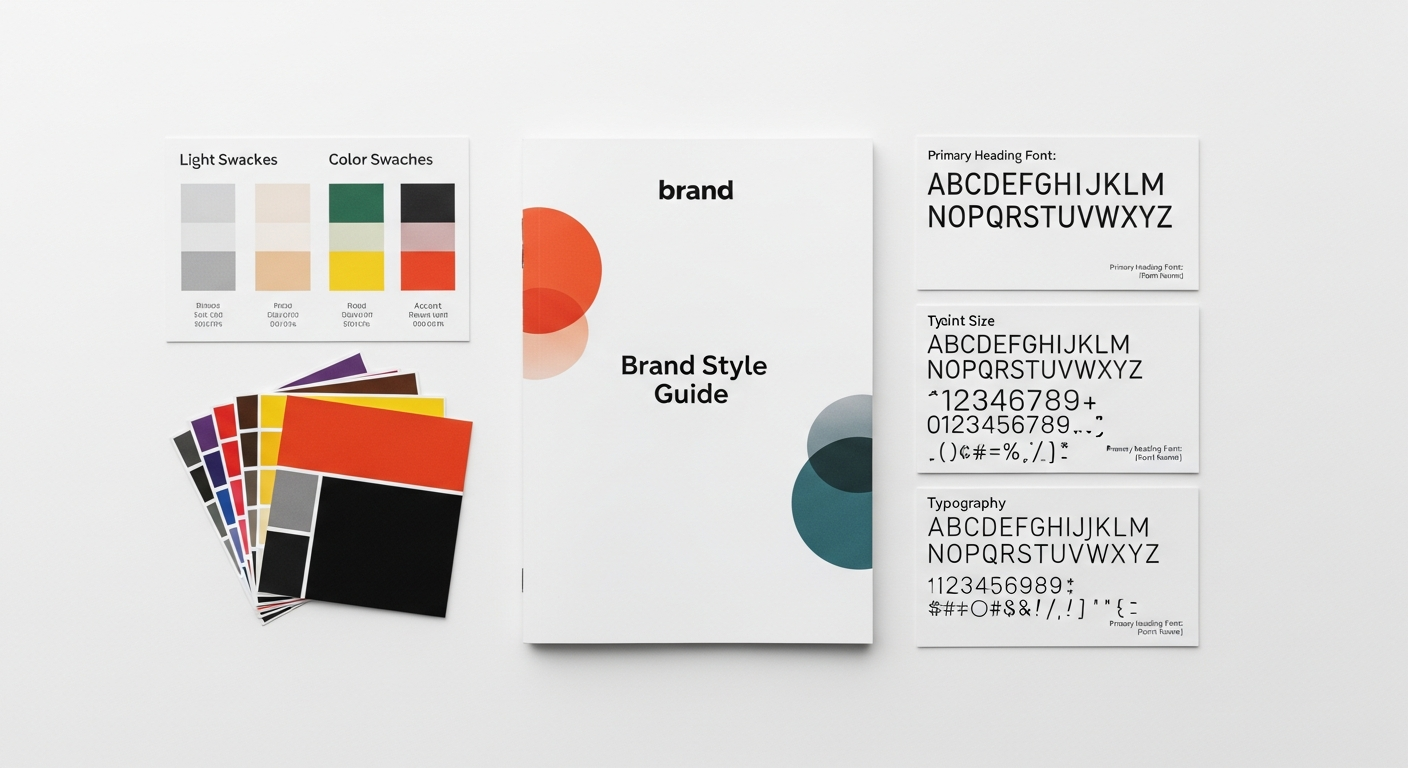
A comprehensive brand style guide typically organizes elements into two main categories: visual identity and verbal identity, along with usage guidelines. Each component plays a crucial role in maintaining consistency and reinforcing your brand’s message.
1. Visual Identity Guidelines
This section dictates how your brand looks.
* Logo Usage:
* Primary Logo: Your main brand mark.
* Secondary Logos/Variations: Horizontal, vertical, icon-only, stacked versions, etc.
* Clear Space: Minimum required space around the logo to ensure visibility.
* Minimum Size: Smallest permissible size for readability.
Incorrect Usage: Examples of what not* to do (e.g., stretching, recoloring, distorting, placing on busy backgrounds).
* File Formats: Specify preferred formats (e.g., SVG for vector, PNG for web, JPG for print).
* Color Palette:
* Primary Colors: Your core brand colors.
* Secondary Colors: Supporting colors that complement the primary palette.
* Accent Colors: Colors used for highlights or calls to action.
* Color Codes: Provide exact values for each color:
* CMYK: For print.
* RGB: For digital screens.
* Hex Codes: For web design.
* Pantone (PMS): For specific, consistent color matching in professional printing.
* Typography:
* Primary Typeface: For headlines and prominent text.
* Secondary Typeface: For body copy and supporting text.
* Web Fonts: Specify web-safe alternatives or hosted web fonts.
* Font Weights & Styles: Bold, italic, light, regular, etc.
* Hierarchy: Guidelines for heading sizes (H1, H2, H3), body text size, line height, and letter spacing.
* Usage Examples: How fonts should be used in different contexts.
* Imagery & Photography:
* Style: Describe the aesthetic (e.g., authentic, staged, abstract, minimalist, vibrant).
* Subject Matter: What types of subjects are appropriate? (e.g., diverse teams, candid moments, product shots).
* Composition: Preferred angles, framing, depth of field.
* Color Treatment: Filters, saturation levels, black & white vs. color.
* Mood/Emotion: What feelings should the images evoke?
* Usage: Where to source images (stock sites, custom photography) and legal considerations.
* Iconography:
* Style: Outline, filled, flat, 3D, consistent stroke weight.
* Color: How icons should be colored.
* Usage: When and where to use icons, and how they relate to text.
2. Verbal Identity Guidelines
This section ensures your brand speaks with a consistent voice.
* Brand Voice & Tone:
* Voice: The consistent personality of your brand (e.g., authoritative, friendly, innovative, witty, empathetic). This doesn’t change.
* Tone: The emotional inflection of your voice, which can adapt based on context (e.g., serious for a support article, celebratory for a product launch). Provide examples for different scenarios.
* Keywords: A list of words and phrases to use, and a list of words to avoid.
* Messaging Guidelines:
* Key Messages: Core takeaways you want your audience to remember about your brand, products, or services.
* Taglines/Slogans: Official taglines and their appropriate usage.
* Value Proposition: How to articulate your USP clearly and concisely.
* Call-to-Action (CTA) Best Practices: Preferred phrasing and tone for CTAs.
* Grammar, Punctuation, & Spelling:
* Style Guide Reference: Specify a preferred style guide (e.g., AP Stylebook, Chicago Manual of Style, or your own bespoke rules).
* Specific Rules: Punctuation preferences (e.g., Oxford comma usage), capitalization rules, preferred spelling (e.g., “ecommerce” vs. “e-commerce”).
* Abbreviations & Acronyms: How to introduce and use them.
3. Usage Guidelines & Applications
This section ties it all together, showing how the elements are applied.
* Web & Digital: How the brand appears on your website, social media, email newsletters, digital ads.
* Print Materials: Business cards, brochures, flyers, letterheads, packaging.
* Presentations: Templates for internal and external presentations.
* Video & Motion Graphics: Guidelines for intros, outros, lower thirds, music, and animation style.
* Brand Story & Narrative: A concise summary of your brand’s journey and purpose that can be shared internally and externally.
By meticulously detailing each of these components, you create an invaluable resource that empowers anyone interacting with your brand to represent it accurately and effectively.
Your Step-by-Step Framework for Building a Brand Style Guide
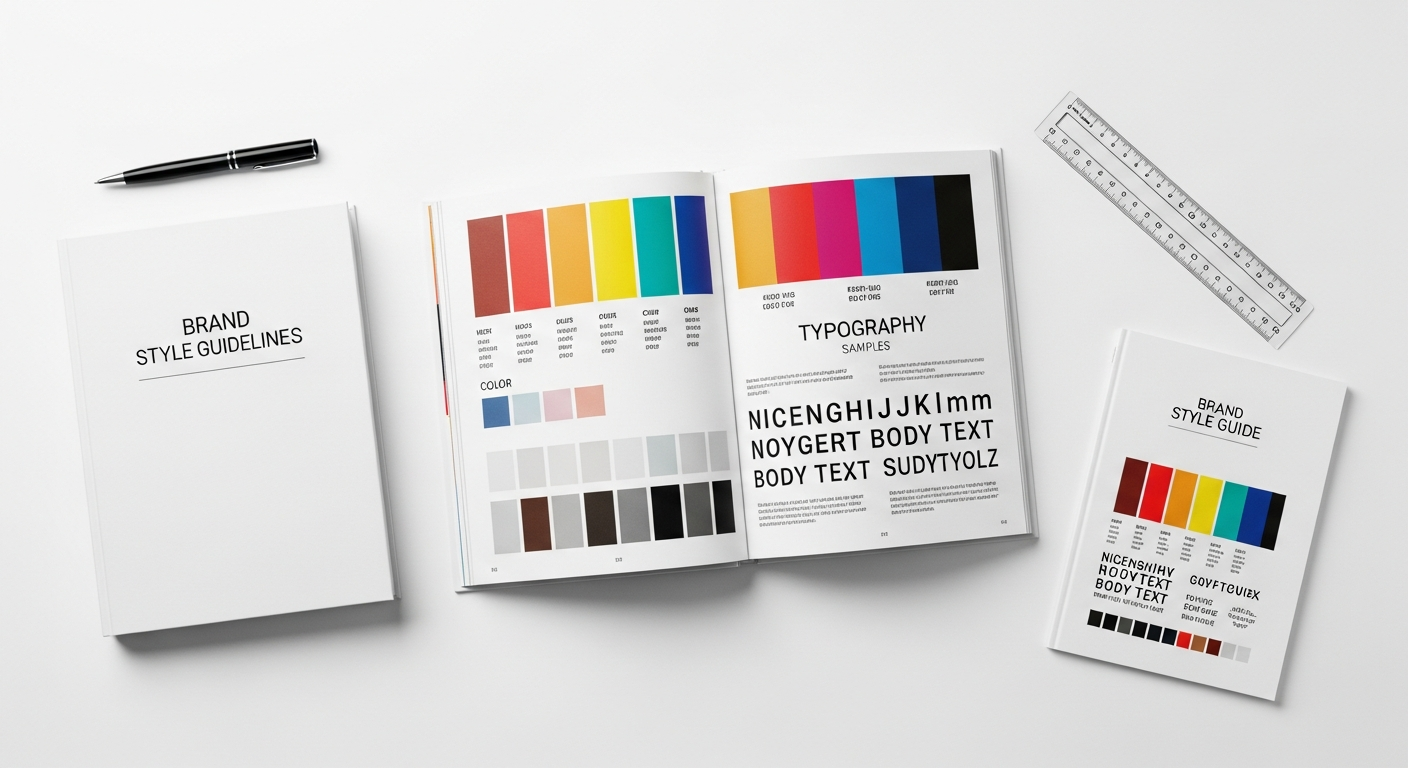
Creating a brand style guide from scratch might seem daunting, but by following a structured, step-by-step framework, you can ensure a comprehensive and effective outcome.
Step 1: Conduct a Brand Audit & Gather Existing Assets (Weeks 1-2)
Start by understanding your current brand landscape.
* Review existing materials: Collect every piece of branded content you currently have – website, social media posts, business cards, email signatures, presentations, marketing collateral, internal documents.
* Identify inconsistencies: Where do colors, fonts, logos, or messaging diverge? Document these discrepancies.
Interview stakeholders: Talk to sales, marketing, product, HR, and leadership. What do they* perceive as the brand? What are their pain points regarding brand consistency?
* Competitive Analysis: Revisit your competitor research to identify gaps and opportunities for differentiation.
* Tools: Spreadsheets for tracking assets and inconsistencies, interview templates, competitor analysis tools like SEMrush or Ahrefs (for messaging and content analysis).
Step 2: Define Core Brand Identity (Weeks 2-3)
This is where your “Pre-Flight Checklist” comes into play. If you haven’t done it thoroughly, do it now.
* Mission, Vision, Values: Solidify these foundational statements.
* Target Audience Personas: Refine your understanding of who you’re speaking to.
* Unique Selling Proposition (USP): Clearly articulate what makes you different.
* Brand Personality & Archetype: Define the core traits of your brand as a person.
* Brand Story: Craft a compelling narrative.
* Tools: Whiteboards, collaboration software (Miro, Mural), internal workshops.
Step 3: Develop Visual Identity Elements (Weeks 3-6)
This is often the most visually intensive part.
* Logo Design/Refinement: If you don’t have a professional logo, now is the time to create one. If you do, ensure it has necessary variations.
* Color Palette Selection: Based on your brand personality and target audience, choose primary, secondary, and accent colors. Get precise CMYK, RGB, Hex, and Pantone codes.
* Typography Selection: Choose primary and secondary fonts that align with your brand’s personality and are legible across all media. Consider web-safe alternatives.
* Imagery & Iconography Style: Define the desired look and feel for all visual assets. Create mood boards.
* Tools: Adobe Creative Suite (Illustrator, Photoshop, InDesign), Figma, Canva, color palette generators (Coolors, Adobe Color), font pairing tools (Fontjoy, Google Fonts).
Step 4: Craft Verbal Identity Guidelines (Weeks 4-7)
How does your brand sound?
* Brand Voice & Tone: Develop clear descriptions and examples of your brand’s consistent voice and adaptable tone for different situations.
* Key Messaging: Outline your core messages, taglines, and how to articulate your value proposition.
* Grammar & Punctuation Rules: Establish specific rules or reference a standard style guide (e.g., AP Stylebook). Include a list of preferred terms and terms to avoid.
* Tools: Google Docs, Microsoft Word, collaborative writing platforms.
Step 5: Document and Design Your Style Guide (Weeks 6-9)
Bring all the elements together into a cohesive document.
* Structure: Use clear headings, subheadings, and a logical flow.
* Content: Include all the components detailed in the “Anatomy” section.
Examples: Crucially, provide good and bad* examples for logo usage, imagery, and messaging to illustrate rules clearly.
* Accessibility: Consider making your style guide accessible online for easy reference.
* Tools: Adobe InDesign (for professional layout), Figma (for digital-first guides), Google Slides/Docs (for simpler versions), dedicated brand management platforms (Frontify, Brandfolder) for larger organizations. You can also find templates on HubSpot, Canva, or Styleguide.io.
Step 6: Review, Refine, and Distribute (Weeks 9-10)
Your style guide isn’t static; it’s a living document.
* Internal Review: Share drafts with key stakeholders for feedback. Ensure everyone understands and agrees with the guidelines.
* Pilot Testing: Apply the new guidelines to a small project or a few pieces of content to identify any ambiguities or challenges.
* Finalization: Incorporate feedback and make necessary adjustments.
* Distribution & Training: Make the style guide easily accessible (e.g., on an internal drive, company intranet, or cloud storage). Conduct training sessions for all relevant teams (marketing, sales, HR, product development, customer service) and external partners.
* Enforcement: Establish a process for ensuring adherence to the guidelines.
* Tools: Shared drives (Google Drive, SharePoint), internal communication platforms (Slack, Teams), video conferencing for training.
This framework provides a realistic timeline, but remember that the actual duration can vary based on your team size, existing brand maturity, and internal resources. The key is to be thorough and systematic.
Tools and Resources for Building Your Style Guide
Creating a comprehensive brand style guide doesn’t require an army of designers, but leveraging the right tools can significantly streamline the process and enhance the quality of your output.
Design & Documentation Tools:
* Adobe Creative Suite (Illustrator, Photoshop, InDesign): The industry standard for professional design. Illustrator for vector logos and icons, Photoshop for image editing, and InDesign for laying out the style guide document itself.
* Figma: A powerful, collaborative, web-based design tool excellent for UI/UX, vector graphics, and even creating entire digital style guides that can be easily shared and updated. Its collaborative nature is a huge advantage for team projects.
* Canva: A user-friendly tool for small businesses and entrepreneurs. While not as robust as Adobe, Canva offers a vast library of templates for brand kits and style guides, making it accessible for those without extensive design experience.
* Google Docs/Slides: For simpler, text-heavy style guides, these free tools can be effective. They offer easy collaboration and sharing, making them suitable for initial drafts or for teams prioritizing verbal guidelines.
* Frontify / Brandfolder / Bynder: Enterprise-level brand management platforms that go beyond a simple PDF. These tools allow you to host your style guide digitally, manage all brand assets, track usage, and provide dynamic guidelines that update in real-time. Ideal for larger organizations with extensive branding needs.
* Styleguide.io: A simple, free online tool that helps you generate a basic style guide for web projects by extracting styles directly from CSS.
Color & Typography Tools:
* Coolors.co / Adobe Color: Excellent online tools for generating, exploring, and saving color palettes. They provide Hex, RGB, CMYK, and sometimes Pantone equivalents.
* Fontjoy / Google Fonts: Discover and pair fonts. Google Fonts offers a vast library of free, high-quality fonts for web and print.
* WhatFontIs / Font Squirrel Matcherator: Tools to identify fonts from images, useful during your brand audit or for inspiration.
Inspiration & Templates:
* Behance / Dribbble: Platforms for designers to showcase their work. Search for “brand guidelines” or “style guide” for inspiration on structure, content, and visual presentation.
* Pinterest: Create mood boards for visual inspiration related to your brand’s aesthetic.
* HubSpot / Canva Templates: Many marketing platforms and design tools offer free downloadable templates for brand style guides, providing a solid starting point.
Project Management & Collaboration:
* Asana / Trello / Monday.com: Project management tools to organize your style guide creation process, assign tasks, and track progress.
* Slack / Microsoft Teams: For real-time communication and feedback with your team.
Remember, the best tools are the ones your team will actually use. Start with what you have and what fits your budget, then scale up as your needs and resources grow. For most businesses starting out, a combination of Figma or Canva for visual elements and Google Docs for verbal guidelines can be a powerful and cost-effective approach.
Implementing and Evolving Your Style Guide: A Living Document
Creating a brand style guide is a significant achievement, but its true value lies in its continuous implementation and evolution. It’s not a static artifact to be filed away; it’s a living document that requires ongoing attention to remain effective.
1. Disseminate and Educate Widely:
Simply creating the guide isn’t enough. You must ensure every internal team member and external partner who interacts with your brand knows it exists, understands its importance, and knows how to use it.
* Onboarding: Integrate the style guide into your new employee onboarding process. Every new hire, especially in marketing, sales, HR, and product, should receive training on its contents.
* Regular Training Sessions: Conduct periodic refresher training sessions for existing teams. Highlight updates and address common misconceptions or challenges.
* Accessible Location: Host the style guide in an easily accessible, centralized location (e.g., company intranet, shared cloud drive, dedicated brand portal). Ensure it’s searchable and downloadable.
2. Enforce and Monitor Usage:
Consistency doesn’t happen by accident; it requires active enforcement.
* Designated Brand Guardian: Appoint a “brand guardian” or a small committee responsible for overseeing brand consistency. This person/team acts as the go-to resource for questions and ensures adherence.
* Review Process: Implement a clear review process for all outgoing branded materials. This doesn’t mean micromanaging, but rather establishing checkpoints where brand compliance can be verified before publication.
* Feedback Loop: Encourage team members to provide feedback on the style guide itself. Are certain rules unclear? Is something missing? This fosters a sense of ownership.
3. Make it a Living Document:
Your brand and market are not static, so your style guide shouldn’t be either.
* Scheduled Reviews: Plan to review and update your style guide annually or bi-annually. Set a recurring calendar reminder for this.
* Adapt to Changes: As your brand evolves (new products, services, target markets), as your industry shifts, or as design trends change, your style guide must adapt. For example, if you introduce a new product line with a distinct sub-brand, those guidelines need to be integrated.
* Version Control: Always maintain version control. Clearly mark the date of the last update and highlight what has changed. This prevents confusion and ensures everyone is working from the latest guidelines.
* Digital-First Approach: Consider a digital-first approach for your style guide. Platforms like Frontify or even a dedicated section on your company intranet or website allow for easier updates, searchability, and broader accessibility than a static PDF. This is particularly relevant for businesses aiming for agility in their marketing efforts in 2026 and beyond.
Remember, the goal is not to stifle creativity but to provide a clear framework within which creativity can flourish consistently. A well-implemented and evolving brand style guide is a powerful strategic asset that ensures your brand continues to resonate, grow, and maintain its integrity over time.
Conclusion: Your Blueprint for Unwavering Brand Consistency
Creating a comprehensive brand style guide from scratch is an investment, not an expense. It’s the strategic blueprint that ensures your brand speaks with one voice, presents a unified visual identity, and maintains unwavering consistency across every touchpoint. For professionals, entrepreneurs, and B2B marketers, this guide isn’t just about aesthetics; it’s about safeguarding your brand’s integrity, boosting efficiency, accelerating market recognition, and ultimately, driving sustainable growth.
By diligently following the pre-flight checklist, meticulously detailing each visual and verbal component, and embracing the step-by-step creation framework, you empower your entire organization to be a cohesive brand ambassador. Remember, a style guide is a living document – it requires ongoing implementation, education, and evolution to remain effective. Don’t let your brand’s potential be diluted by inconsistency. Start building your powerful brand style guide today, and lay the foundation for a future where your brand’s presence is not just seen, but remembered, trusted, and valued.
“`json
{
“@context”: “https://schema.org”,
“@graph”: [
{
“@type”: “Article”,
“mainEntityOfPage”: {
“@type”: “WebPage”,
“@id”: “https://kacerr.com/how-to-create-brand-style-guide”
},
“headline”: “Mastering Brand Consistency: Your Step-by-Step Guide to a Powerful Brand Style Guide”,
“description”: “Learn how to create a comprehensive brand style guide from scratch with this practical, step-by-step article. Essential for professionals, entrepreneurs, and B2B marketers, it covers foundational strategy, visual and verbal identity, tools, and implementation for unwavering brand consistency and growth.”,
“image”: [
“https://kacerr.com/images/brand-style-guide-hero.jpg”,
“https://kacerr.com/images/brand-consistency-chart.jpg”
],
“author”: {
“@type”: “Organization”,
“name”: “Kacerr”
},
“publisher”: {
“@type”: “Organization”,
“name”: “Kacerr”,
“logo”: {
“@type”: “ImageObject”,
“url”: “https://kacerr.com/images/kacerr-logo.png”
}
},
“datePublished”: “2024-07-26T08:00:00+00:00”,
“dateModified”: “2024-07-26T08:00:00+00:00”,
“keywords”: “brand style guide, brand guidelines, brand consistency, brand identity, marketing strategy, B2B marketing, entrepreneurship, professional branding, style guide creation, brand management”,
“articleSection”: [
“Why a Brand Style Guide is Non-Negotiable for Your Business”,
“The Pre-Flight Checklist: Laying Your Brand’s Foundation”,
“The Anatomy of a Powerful Brand Style Guide: Essential Components”,
“Your Step-by-Step Framework for Building a Brand Style Guide”,
“Tools and Resources for Building Your Style Guide”,
“Implementing and Evolving Your Style Guide: A Living Document”
]
},
{
“@type”: “FAQPage”,
“mainEntity”: [
{
“@type”: “Question”,
“name”: “What’s the difference between a brand guide and a brand style guide?”,
“acceptedAnswer”: {
“@type”: “Answer”,
“text”: “While often used interchangeably, a brand guide (or brand book) is typically a broader, more strategic document covering the brand’s core identity: its mission, vision, values, personality, target audience, and market positioning. A brand style guide is a more tactical document, focusing on the practical application of the brand’s visual and verbal elements – logo usage, color palettes, typography, imagery, voice, and tone. The style guide operationalizes the strategic decisions made in the broader brand guide.”
}
},
{
“@type”: “Question”,
“name”: “How long does it typically take to create a comprehensive brand style guide