
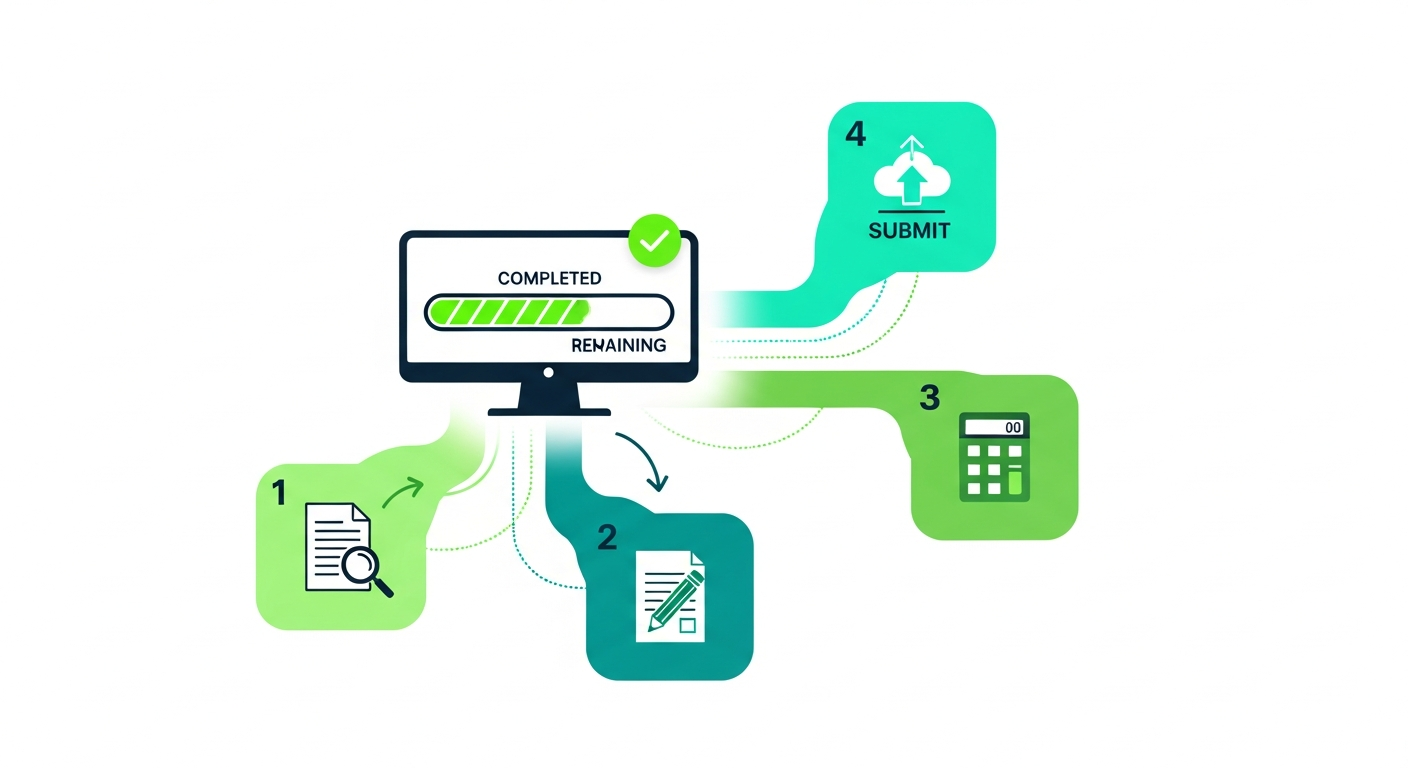
Navigating Your First Tax Season: A Step-by-Step Guide for Young Adults
Filing taxes for the first time is often viewed as a daunting rite of passage into adulthood. Between the cryptic form names, the fear of making a mistake, and the general confusion over how much money you actually owe (or are owed), it is easy to feel overwhelmed. However, mastering the art of tax filing is one of the most significant life skills you can develop. It isn’t just about compliance with the law; it is about understanding your financial health, advocating for your own earnings, and ensuring you aren’t leaving money on the table in the form of refunds and credits.
In this comprehensive guide, we will break down the process into manageable steps. Whether you are a college student with a part-time job, a new graduate entering the full-time workforce, or a freelancer navigating the gig economy, this roadmap will provide the clarity you need to file your taxes with confidence in 2026 and beyond.
1. Understanding the Basics: Why We File and What to Expect
Before diving into the paperwork, it is helpful to understand the “why” behind tax season. In the United States, the tax system is “pay-as-you-go.” This means that throughout the year, money is typically withheld from your paychecks by your employer and sent to the IRS and state tax authorities. When you file your tax return, you are essentially “settling up” for the previous year. You calculate exactly how much tax you owe based on your total income and then compare that to how much you have already paid.
If you paid more than you owe, you get a **tax refund**. If you paid less than you owe—which can happen if you have multiple jobs or freelance income—you will have to pay the difference.
The deadline for filing federal taxes is typically **April 15th**. If that date falls on a weekend or holiday, it moves to the next business day. In 2026, staying ahead of this deadline is crucial to avoid late-filing penalties. Even if you don’t think you earned enough money to be required to file, doing so is often beneficial. If your employer withheld any federal income tax from your paychecks, filing is the only way to get that money back.
2. Gathering Your Paperwork: The First-Timer’s Checklist
Organization is the secret to a stress-free tax season. You should begin gathering your documents as early as January. Most employers and financial institutions are required to send out tax forms by January 31st. Here is what you need to have in your folder:
* **Personal Information:** You will need your Social Security Number (SSN) or Individual Taxpayer Identification Number (ITIN). If you are filing a joint return with a spouse, you’ll need theirs too.
* **W-2 Forms:** If you were an employee, your employer will provide a W-2. This shows how much you earned and how much tax was withheld.
* **1099 Forms:** These are for “miscellaneous” income. 1099-NEC is common for freelancers or gig workers (like DoorDash or Uber). 1099-INT is for interest earned on your savings accounts.
* **1098-T Form:** If you paid tuition for higher education, this form is essential. it allows you to claim valuable education credits.
* **Documentation for Deductions:** This includes receipts for charitable donations, records of student loan interest paid (Form 1098-E), and documentation of health savings account (HSA) contributions.
* **Bank Account Details:** If you are expecting a refund, having your bank’s routing and account numbers ready allows the IRS to deposit your money directly, which is significantly faster than waiting for a paper check.
3. Determining Your Filing Status and Dependency
One of the most common points of confusion for young adults is whether they should file as a “dependent” or “independent.” This is a conversation you must have with your parents or guardians before you start the process.
**The Dependency Rule:** Generally, if you are under age 19 (or under 24 and a full-time student) and your parents provide more than half of your financial support, they may be able to claim you as a dependent. If they claim you, you can still file your own tax return to get a refund of withheld taxes, but you must check the box that says “someone else can claim you as a dependent.”
**Filing Statuses:**
* **Single:** This is the most common status for young adults who are unmarried and do not have children.
* **Head of Household:** This may apply if you are unmarried but pay for more than half of the household expenses for a qualifying person (like a child or a dependent relative). This status offers a higher standard deduction than “Single.”
* **Married Filing Jointly:** If you tied the knot recently, filing together often results in a lower overall tax bill.
Choosing the correct status is vital because it determines your standard deduction amount and your tax brackets.
4. Standard Deduction vs. Itemizing: Maximizing Your Bottom Line
When you calculate your taxable income, the IRS allows you to subtract certain amounts so you aren’t taxed on every single dollar you earned. Most first-time filers will use the **Standard Deduction**.
The standard deduction is a flat dollar amount that reduces the income you’re taxed on. For the 2026 tax year, this amount is adjusted for inflation and is usually quite generous for single filers. Unless you have significant expenses—such as high mortgage interest, massive medical bills, or large charitable gifts—the standard deduction will likely be your best bet because it requires no extra paperwork.
**Don’t Forget Tax Credits:** While deductions lower the income you are taxed on, **tax credits** are even more powerful because they reduce your tax bill dollar-for-dollar.
* **The American Opportunity Tax Credit (AOTC):** For students in their first four years of post-secondary education. It can be worth up to $2,500.
* **The Lifetime Learning Credit (LLC):** For graduate students or those taking classes to improve job skills.
* **The Earned Income Tax Credit (EITC):** A credit for low-to-moderate-income working individuals. Even if you don’t owe taxes, this credit can result in a significant refund.
5. Choosing How to File: Software, Professionals, or Free File
You do not need to be a math genius to file your taxes. There are three primary ways to get the job done:
* **IRS Free File:** If your income is below a certain threshold (usually around $79,000, though this can change by 2026), you can use brand-name tax software for free through the IRS website. This is the best option for most young adults starting out.
* **Tax Software:** Programs like TurboTax, H&R Block, or FreeTaxUSA guide you through a series of questions. They are user-friendly but may charge fees for state returns or more complex situations (like freelance income).
* **VITA (Volunteer Income Tax Assistance):** This is a great resource if you feel completely lost. VITA offers free tax help to people who generally make $64,000 or less, persons with disabilities, and limited English-speaking taxpayers.
* **Professional CPAs:** If you have a complex financial situation—perhaps you started a corporation, own rental property, or have significant investments—hiring a Certified Public Accountant might be worth the cost. However, for a standard W-2 worker, this is usually unnecessary.
**Pro Tip:** Always choose **e-file** and **direct deposit**. Paper returns take months to process, whereas e-filed returns with direct deposit are usually processed within 21 days.
6. Avoiding Common Mistakes and Protecting Your Identity
The IRS reports that many delays in processing are caused by simple, avoidable errors. Double-check everything before hitting “submit.”
* **Social Security Numbers:** A single typo in your SSN or your spouse’s SSN will trigger an immediate rejection.
* **Spelling:** Ensure your name matches exactly what is on your Social Security card. If you recently changed your name due to marriage, make sure the Social Security Administration has updated their records.
* **Math Errors:** If you are filing by hand, math errors are common. Software usually handles this for you, but you must enter the numbers from your W-2 correctly.
* **Security:** Tax season is peak season for scammers. The IRS will never contact you via text, social media, or phone calls demanding immediate payment via gift cards or wire transfers. They communicate almost exclusively through the U.S. Postal Service. Be wary of “ghost preparers” who refuse to sign your return or promise an unnaturally large refund for a percentage of the cut.
Frequently Asked Questions (FAQ)
**Q1: What happens if I can’t afford to pay the taxes I owe?**
Don’t panic and—most importantly—don’t skip filing. Even if you can’t pay, you should still file your return on time to avoid the “failure to file” penalty, which is much higher than the “failure to pay” penalty. The IRS offers payment plans and “offers in compromise” for those in financial hardship. You can often set up a monthly installment plan online.
**Q2: I have a side hustle (DoorDash/Etsy). How is that different?**
When you have a side hustle, you are considered an independent contractor. Unlike a W-2 job, no taxes are withheld from your earnings. You are responsible for paying “self-employment tax” (which covers Social Security and Medicare). You can, however, deduct business expenses, such as mileage or supplies, on Schedule C.
**Q3: Do I have to report my student loans on my taxes?**
You don’t report the loans themselves as income, but you can often deduct the **interest** you paid on them. If you paid more than $600 in student loan interest, your loan servicer will send you Form 1098-E. This deduction can reduce your taxable income by up to $2,500.
**Q4: I worked in two different states this year. Where do I file?**
Generally, you must file a resident return in the state where you live and a non-resident return in the state where you worked (if they have income tax). Most tax software handles this by asking where you lived and worked, but be prepared to file two different state returns.
**Q5: How long should I keep my tax records?**
The “rule of thumb” is to keep your tax returns and all supporting documents (W-2s, receipts) for at least three years. The IRS generally has three years to audit a return. Keeping digital copies in a secure, encrypted cloud folder is a great way to stay organized without the clutter.
Conclusion
Filing your taxes for the first time is more than just a legal obligation; it is a fundamental component of financial literacy. By taking the time to understand the forms, the deadlines, and the credits available to you, you are taking control of your financial future.
As you move through the 2026 tax season, remember that accuracy and organization are your best friends. Start early, use the resources available through the IRS Free File program, and don’t be afraid to ask questions if a specific situation feels unclear. Once you click that final “submit” button and see your refund hit your bank account—or simply know that you are squared away with the government—you’ll realize that tax season isn’t so scary after all. It is simply another step toward becoming a savvy, independent adult.