
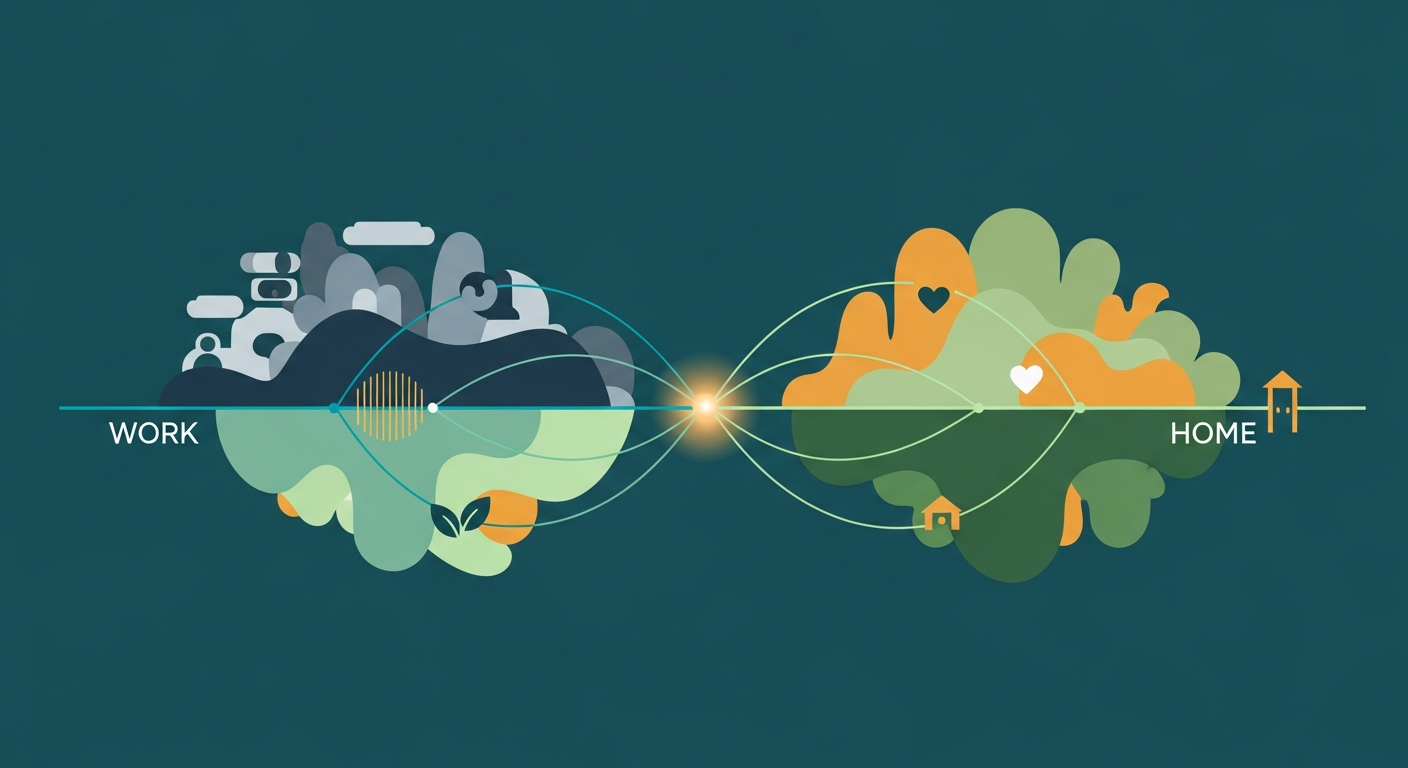
The Ultimate Guide to Setting Boundaries at Work and Home for a Better 2026
In the fast-paced, hyper-connected world of 2026, the lines between our professional responsibilities and our personal sanctuary have become increasingly blurred. For young adults today, the pressure to “hustle” while simultaneously maintaining a curated social life and flawless financial health can feel like an impossible balancing act. However, the secret to navigating this complexity isn’t working more hours or cutting out every joy in your life; it is the mastery of boundaries.
Boundaries are the invisible lines that define where you end and others begin. They are not walls designed to shut people out, but rather gates that allow you to control what enters your space, time, and mental energy. For those looking to improve their finances and life skills, learning to set boundaries is the highest-leverage skill you can develop. By the end of this guide, you will understand how to reclaim your time, protect your paycheck, and build a sustainable lifestyle that lasts well beyond 2026.
Why Boundaries are Your Secret Weapon for Financial and Personal Growth
To the uninitiated, setting boundaries might seem like a recipe for missed opportunities or damaged relationships. In reality, it is the cornerstone of high performance and financial stability. When you lack boundaries, you become a “people pleaser,” a trait that often leads to “yes-man” syndrome in the workplace and “lifestyle creep” in your personal life.
From a financial perspective, poor boundaries are expensive. They manifest as saying “yes” to expensive dinners you can’t afford, taking on unpaid labor at work that prevents you from upskilling, or spending your weekends on social obligations that leave you too exhausted to manage your investments or side hustles. In 2026, where the “attention economy” is more aggressive than ever, your time is your most valuable asset.
When you set firm boundaries, you are essentially performing a cost-benefit analysis on your life. You are deciding that your mental health and financial goals are worth more than the temporary discomfort of saying “no.” This shift in mindset allows you to allocate your resources—time, money, and energy—toward activities that actually move the needle on your long-term success, such as building a high-yield portfolio or mastering a new technical skill.
Defining Your Professional Hard Lines: Setting Boundaries at the Office
The modern workplace in 2026 is a hybrid of physical presence and digital ubiquity. With AI-driven productivity tools and constant connectivity through Slack or Teams, the “9-to-5” has become a relic of the past. To survive and thrive, you must establish professional hard lines.
The first step is defining your “availability window.” It is a common mistake for young professionals to believe that being available 24/7 proves their dedication. In truth, it often proves that they lack management skills. Explicitly communicate your working hours. If your shift ends at 5:00 PM, let your notifications reflect that. Use “Do Not Disturb” modes and status updates to signal when you are in “Deep Work” versus when you are available for collaboration.
Secondly, learn to negotiate your workload. When a manager approaches you with an “urgent” task that exceeds your capacity, don’t just say “no.” Instead, offer a trade-off: “I can certainly prioritize this new project, but which of my current tasks should I move to the back burner to ensure this gets the attention it deserves?” This demonstrates professional maturity and protects you from the burnout that leads to costly medical bills or career stagnation. Remember, in 2026, the most successful employees are those who deliver high-quality work, not those who simply work the most hours.
Reclaiming Your Personal Space: Boundaries in Relationships and Home Life
Your home should be a sanctuary, not a secondary office or a place of emotional drainage. For young adults often living with roommates or navigating complex family dynamics, setting boundaries at home is essential for mental clarity.
If you are working from home, your physical environment needs boundaries. Dedicate a specific area solely to work. When you leave that chair or close that laptop, your workday is over. This physical separation helps your brain “switch off,” preventing the chronic stress that often leads to impulsive spending or poor lifestyle choices.
In your relationships, boundaries are about managing “The Mental Load.” If you find yourself always being the one to plan the outings, handle the chores, or provide emotional support, it’s time for a conversation. Express your needs clearly: “I value our time together, but I need two nights a week of complete solitude to recharge and manage my personal finances.” Authentic friends and supportive partners will respect these limits. Those who don’t are often the ones draining your energy and, by extension, your ability to focus on your life goals.
The Financial Side of Boundaries: Saying No to Social Pressure
One of the most significant hurdles for young adults in 2026 is “Social Spend Pressure.” With social media influencers flaunting a lifestyle that is often funded by debt, the temptation to keep up is immense. This is where financial boundaries become your best friend.
Setting a financial boundary means being honest about your budget without shame. “Loud budgeting”—the practice of openly stating why you aren’t spending money on certain things—is a powerful life skill. When a group of friends suggests an expensive weekend getaway that isn’t in your 2026 financial plan, a firm boundary sounds like this: “That sounds amazing, but it’s not in my budget for this quarter. I’m focusing on hitting my savings goal for a house/investment. Let’s do a local hike or a potluck dinner instead.”
By setting these boundaries, you filter your social circle. You will find that true friends value your company more than the venue, while “fair-weather friends” will naturally drift away. This pruning of your social life not only saves you thousands of dollars annually but also surrounds you with people who respect your ambitions and personal growth.
The Art of the Polite “No”: Scripts for Every Occasion
The biggest barrier to setting boundaries is often not knowing *what* to say. We fear appearing rude, lazy, or uncaring. However, a “no” can be delivered with grace and professionalism. Here are a few scripts tailored for the 2026 landscape:
**To a Boss Asking for Weekend Work:**
*”I understand this project is a priority. I’m fully committed to it during my Monday-Friday hours, but I’ve dedicated my weekends to personal development and rest to ensure I don’t burn out. I’ll be the first one on this at 8:00 AM Monday morning.”*
**To a Friend Asking for a Loan:**
*”I have a strict personal rule about not lending money to friends to preserve our relationship. I value our friendship too much to let a debt come between us, but I’m happy to help you look over your budget or find other resources.”*
**To a Roommate Regarding Household Chores:**
*”I’ve noticed the kitchen has been a bit cluttered lately, which makes it hard for me to relax after work. Can we set a schedule where everyone handles their own dishes immediately so we can all enjoy the space?”*
**To Social FOMO (Fear Of Missing Out):**
*”Thanks for the invite! I’ve hit my ‘social battery’ limit for this week and need a night in to reset. Have a blast, and I’ll catch you next time!”*
Overcoming Guilt: Navigating the Emotional Hurdle of Boundary Setting
When you first start setting boundaries, you will likely feel a wave of guilt. This is a natural reaction, especially if you have spent years as a people-pleaser. You might worry that you’re being selfish or that you’ll lose your job or your friends.
The key is to reframe your perspective. Setting boundaries isn’t a selfish act; it is an act of self-preservation that ultimately benefits everyone around you. When you aren’t burnt out, you are a better employee. When you aren’t stressed about money, you are a more present friend. When you aren’t emotionally exhausted, you are a more loving partner.
Think of your energy and finances like a glass of water. If you keep pouring for everyone else without ever refilling, you eventually have nothing left to give. Setting boundaries is the act of making sure your glass stays full so that you can give from the “overflow” rather than the “dregs.” Over time, the guilt will fade and be replaced by a profound sense of agency and confidence. By the time 2026 comes to a close, you won’t just be surviving; you’ll be thriving because you chose to prioritize your own well-being.
Frequently Asked Questions (FAQ)
#
1. How do I set boundaries with a toxic boss who ignores them?
If a boss consistently ignores your stated boundaries, it is time to document these instances. In the short term, maintain your “polite no” and focus on delivering exceptional results during your on-hours. In the long term, use the time you’ve saved by setting boundaries to update your resume and look for a company culture that aligns with your values. In 2026, many companies prioritize employee well-being as a retention strategy.
#
2. Is it possible to set boundaries without sounding “mean”?
Absolutely. Boundaries are about your needs, not the other person’s failings. Use “I” statements rather than “You” statements. For example, instead of “You always text me too late,” try “I turn my phone off at 9:00 PM to ensure I get a good night’s sleep, so I’ll get back to any messages the next morning.”
#
3. What if my friends stop inviting me out because I’m “too busy” or “too cheap”?
This is a common fear. If friends drop you because you are prioritizing your future, they weren’t invested in *you*; they were invested in the version of you that served their needs. Use this as an opportunity to find a community of like-minded young adults who are also focused on life skills and financial independence.
#
4. How do I set boundaries with myself?
Self-boundaries are often the hardest. This involves discipline, such as setting a “screen time” limit on social media, sticking to a pre-planned budget, or forcing yourself to go to bed at a reasonable hour. Treat these self-imposed rules with the same respect you would a professional deadline.
#
5. Can boundaries help me save money in 2026?
Yes, significantly. By setting boundaries around social spending, impulsive shopping (digital boundaries), and loaning money, you retain control over your cash flow. It allows you to say “yes” to your future self while saying “no” to temporary, low-value gratification.
Conclusion
Mastering the art of setting boundaries at work and home is the single most important life skill you can cultivate for 2026 and beyond. It is the foundation upon which financial freedom, career success, and personal happiness are built. While the initial steps may feel uncomfortable or even scary, the long-term rewards—reduced stress, a healthier bank account, and more meaningful relationships—are well worth the effort.
Remember that boundaries are a practice, not a one-time event. You will need to re-evaluate and reinforce them as your life and career evolve. By taking control of your time and energy today, you are manifesting a future where you are the architect of your own life, rather than a passenger in someone else’s. Start small, stay consistent, and watch as your world transforms into a space of purpose, profit, and peace.