The Modern Workplace: Standing Tall, But Not Falling Short
The paradigm of the professional workspace has undergone a profound transformation. Gone are the days when a static, seated posture defined the entirety of a corporate career. Today, the emphasis is increasingly on fluidity, adaptability, and well-being, reflecting a broader understanding of human physiology and its impact on cognitive function and productivity. Standing desks, once a niche curiosity, have become a staple in forward-thinking offices globally, lauded for their potential to combat the sedentary lifestyle associated with traditional desk jobs.
However, the transition from prolonged sitting to prolonged standing is not without its own set of challenges. While standing offers numerous advantages, such as improved posture, increased energy expenditure, and better blood flow, it also introduces the potential for a different kind of strain. The human body is designed for movement, not static positions, whether sitting or standing. Consequently, maintaining a stationary standing posture for extended periods can lead to fatigue in the legs, back, and feet, manifesting as aches, stiffness, and a general sense of weariness that can undermine the very benefits sought.
For the ambitious professional and the strategic business leader, understanding this nuance is paramount. It’s not enough to simply provide standing options; it’s essential to equip employees with the knowledge and tools to utilize these options effectively and sustainably. The goal is to maximize the benefits of an active workstation while proactively mitigating the risks of fatigue, thereby safeguarding employee health, maintaining high levels of concentration, and sustaining overall workplace productivity into 2026 and beyond. This requires a holistic approach that integrates ergonomic solutions, mindful movement, sustained energy strategies, and robust recovery practices, all framed within a supportive organizational culture.
Why Standing Fatigue is a Real Business Challenge
While the individual experience of fatigue might seem like a personal battle, its pervasive presence across a workforce can translate into significant organizational liabilities. For B2B entities focused on efficiency, innovation, and talent retention, ignoring standing fatigue is a strategic misstep. The cumulative effect of discomfort and weariness among employees directly impacts key performance indicators and overall business health.
Firstly, fatigue erodes productivity. When employees are battling sore feet, aching backs, or general exhaustion, their cognitive functions are impaired. Concentration wanes, decision-making slows, and the quality of work can suffer. What might seem like a minor personal inconvenience can, on a macro level, lead to reduced output, increased errors, and missed deadlines, directly impacting project timelines and client satisfaction. A workforce struggling with fatigue is not a workforce operating at its peak potential.
Secondly, it contributes to increased absenteeism and presenteeism. Chronic fatigue and the musculoskeletal issues it can engender, such as plantar fasciitis or lower back pain, can lead to more sick days. Even when employees do come to work (presenteeism), their diminished capacity due to discomfort means they are physically present but not fully engaged or effective. This hidden cost of presenteeism can be even more damaging than absenteeism, as it masks underlying issues while still hindering productivity.
Thirdly, it impacts employee morale and retention. A workplace that actively addresses employee comfort and well-being signals a strong commitment to its people. Conversely, an environment where discomfort is overlooked can foster resentment and dissatisfaction. In a competitive talent market, particularly for the new professional embracing relaxed structure in mens work ready suits who prioritizes work-life balance and well-being, an uncomfortable work environment can be a significant deterrent. High turnover rates incur substantial recruitment and training costs, proving detrimental to a company’s bottom line and institutional knowledge.
Finally, and perhaps most critically from a risk management perspective, prolonged and unaddressed physical strain can lead to serious health conditions and potential workplace injury claims. While proactive measures are always preferred, understanding the benefits of hiring a personal injury lawyer for your case underscores the gravity of workplace health and safety. While an ergonomic mat might seem a minor investment, neglecting such considerations can escalate into chronic conditions requiring extensive medical intervention or even legal recourse. Strategic leaders understand that investing in preventative wellness and ergonomic solutions is not merely an expense but a critical investment in human capital and risk mitigation, safeguarding both employees and the company from future liabilities.
Strategic Way 1: Ergonomic Excellence and Adaptive Workstations
Investing in the Right Foundation: Anti-Fatigue Mats
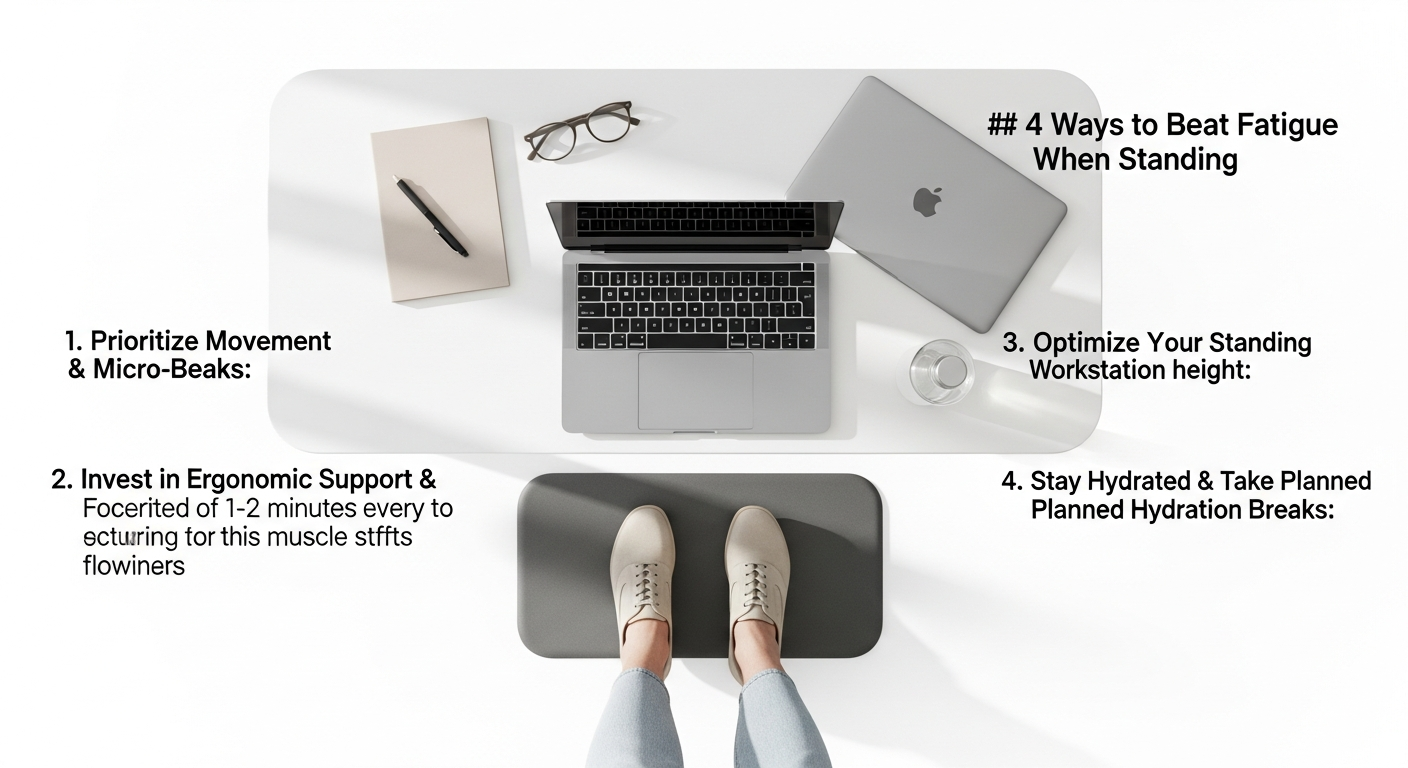
Perhaps the most immediate and impactful ergonomic tool for standing workers is the anti-fatigue mat. These aren’t mere floor coverings; they are engineered solutions designed to reduce the strain on feet, legs, and the lower back. Unlike hard flooring, quality anti-fatigue mats are made from resilient materials that encourage subtle micro-movements in the feet and calves. This constant, almost imperceptible adjustment stimulates blood flow, preventing blood from pooling in the lower extremities, which is a primary contributor to fatigue and discomfort.
- Material Matters: Look for mats made from high-density foam, gel, or rubberized compounds that offer both cushioning and rebound. Cheaper, softer mats might feel comfortable initially but lack the necessary support and dynamic properties for sustained use.
- Size and Placement: Ensure the mat is large enough to allow for natural movement without stepping off its surface. It should be positioned directly where the employee stands most frequently.
- Beveled Edges: Mats with beveled edges reduce tripping hazards, a crucial safety consideration in any professional environment.
Implementing high-quality anti-fatigue mats across all standing workstations sends a clear message about an organization’s commitment to employee well-being, significantly reducing the physical toll of prolonged standing.
The Power of Dynamic Movement: Adjustable Desks
While the article focuses on beating fatigue when standing, the true power of a standing desk lies in its adjustability, enabling dynamic shifts between sitting and standing. Static standing, like static sitting, is detrimental. The goal is to promote movement and varied postures throughout the day.
- Seamless Transitions: Electric height-adjustable desks are superior as they allow for effortless transitions, encouraging more frequent changes in posture. Manual crank desks can be cumbersome, discouraging users from adjusting them as often as they should.
- Pre-set Heights: Many modern standing desks offer memory settings for preferred sit and stand heights, making it easy for users to find their optimal ergonomic positions quickly.
- Scheduled Changes: Encourage employees to alternate between sitting and standing every 30-60 minutes. This prevents the body from adapting to a single, static posture for too long, reducing localized fatigue and promoting overall circulation.
A truly adaptive workstation is one that empowers the user to listen to their body and respond with appropriate postural changes, fostering a dynamic and less fatiguing workday.
Footwear and Support: Your Personal Ergonomic Choice
Beyond the workstation itself, personal choices play a significant role in managing standing fatigue. The right footwear is paramount, often overlooked but critically important.
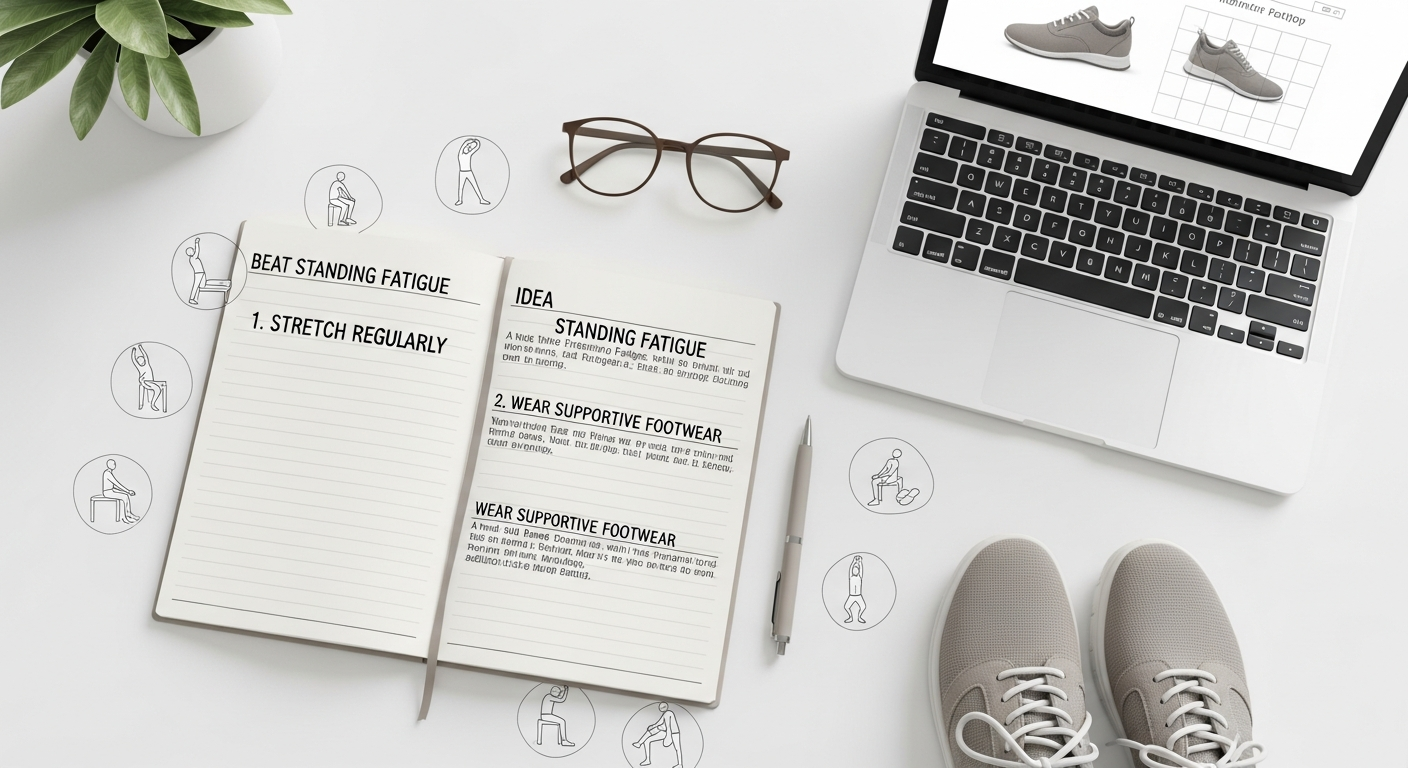
- Supportive Shoes: Encourage employees to wear comfortable, supportive shoes with good arch support and cushioning. Athletic shoes or specialized work shoes designed for standing are far superior to unsupportive dress shoes or high heels, even for the new professional embracing relaxed structure in mens work ready suits. The emphasis on comfort and practicality should extend to footwear.
- Orthotic Inserts: For individuals with specific foot conditions or those requiring extra support, custom or over-the-counter orthotic inserts can provide significant relief and alignment.
- Avoid Barefoot Standing: While some advocate for barefoot standing, for prolonged periods on hard surfaces, it often exacerbates fatigue and can lead to foot problems. Even on an anti-fatigue mat, supportive footwear is generally recommended.
Educating employees on the importance of appropriate footwear as a personal ergonomic choice can significantly reduce daily discomfort and contribute to a more sustainable standing work routine.
Strategic Way 2: Mindful Movement and Micro-Breaks
Ergonomic equipment lays the groundwork, but proactive movement and strategic breaks are the active ingredients in combating standing fatigue. The human body thrives on variety and short bursts of activity, a principle that can be seamlessly integrated into the professional workday.
Structured Stretch Routines
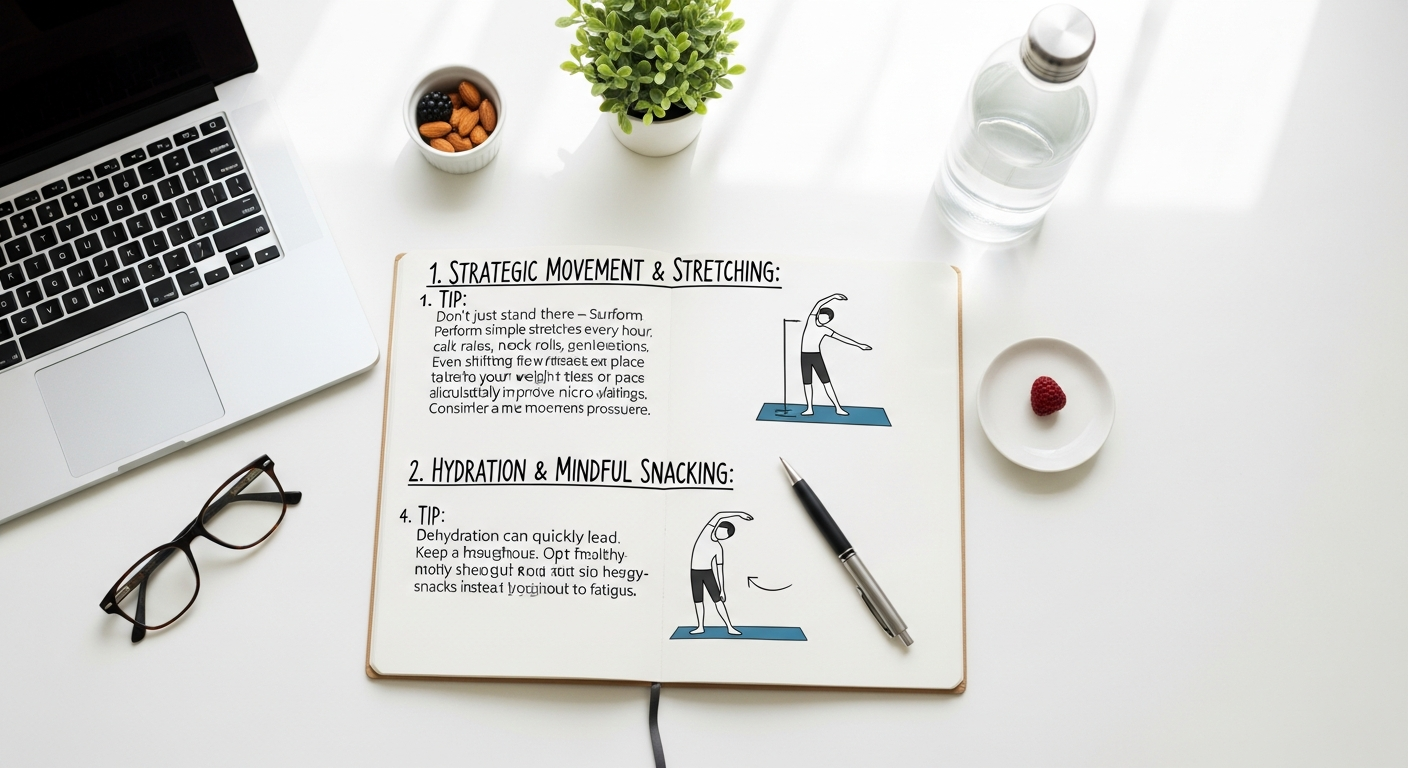
Just as athletes warm up and cool down, professionals who stand for extended periods benefit from targeted stretching. These don’t need to be elaborate yoga sessions; short, simple stretches performed throughout the day can make a profound difference.
- Calf Stretches: Lean against a wall with one foot back, heel on the floor, to stretch calf muscles.
- Hamstring Stretches: Place one heel on a slightly elevated surface (like a footrest) and gently lean forward from the hips.
- Back Extensions: Gently arch your lower back, placing hands on hips, to counteract the forward lean often associated with desk work.
- Neck and Shoulder Rolls: Release tension accumulated in the upper body.
Encourage employees to perform a quick 1-2 minute stretch routine every hour or two. These micro-stretches improve circulation, alleviate muscle stiffness, and provide a mental refresh, breaking the monotony of static standing.
The Pomodoro Technique for Standing
The renowned Pomodoro Technique, typically used for focused work and short breaks, can be adapted brilliantly for standing desks. Instead of 25 minutes of work followed by 5 minutes of rest, consider 25-30 minutes of standing work, followed by 5-10 minutes of active movement or seated rest.
- Structured Alternation: Use a timer to cue transitions between standing and sitting, or between focused standing work and a brief active break.
- Active Breaks: During the 5-10 minute break, instead of simply sitting, encourage activities like a short walk to the water cooler, climbing a flight of stairs, or performing some of the structured stretches mentioned above.
This structured approach ensures that employees are not just standing but standing smartly, integrating regular periods of rest and movement that prevent fatigue from setting in deeply.
Incorporating Walking into Your Workflow
Modern professionals, especially those in B2B roles, often find themselves tethered to their desks, even when standing. Actively incorporating walking into the workday is a powerful antidote to static fatigue.
- Walking Meetings: For small groups or one-on-one discussions, suggest taking a walk around the office perimeter or even outdoors if feasible. This boosts creativity, energy, and avoids prolonged static postures.
- Strategic Hydration/Restroom Breaks: Instead of rushing, take a slightly longer route to the water cooler or restroom, stretching the legs and getting a few extra steps in.
- Desk-Side Mobility: Even while standing at the desk, encourage subtle movements – shifting weight from foot to foot, gentle rocking, or stepping in place. These micro-movements are crucial for blood circulation.
By consciously integrating movement throughout the day, whether through structured breaks or creative workflow adjustments, employees can maintain higher energy levels and significantly reduce the onset of standing-induced fatigue. This proactive approach to physical well-being aligns perfectly with the agile and adaptive spirit of successful B2B operations in 2026.
Strategic Way 3: Hydration, Nutrition, and Sustained Energy
Combating fatigue isn’t solely about physical posture and movement; it’s deeply intertwined with the body’s internal chemistry. What we consume – or fail to consume – directly impacts our energy levels, muscle function, and overall resilience against fatigue. For the career-focused individual, strategic hydration and nutrition are non-negotiable components of sustainable performance.
The Crucial Role of Water
Dehydration is a silent but potent contributor to fatigue. Even mild dehydration can lead to reduced energy, impaired cognitive function, and muscle cramps. When standing for extended periods, the body’s circulatory system works harder, making adequate hydration even more critical.
- Constant Sips: Encourage a habit of consistent water intake throughout the day rather than large gulps periodically. Keep a water bottle readily accessible at the standing desk.
- Electrolyte Balance: For those who sweat more or engage in intense physical activity outside of work, consider occasional electrolyte-rich beverages to replenish essential minerals, especially during warmer months.
- Monitor Intake: Aim for at least 8 glasses of water daily, adjusting based on individual activity levels and climate.
A well-hydrated body maintains optimal blood volume, ensuring efficient oxygen and nutrient delivery to muscles and the brain, which is fundamental for resisting fatigue.
Smart Snacking for Stamina
Just as a car needs fuel, our bodies require consistent energy. Skipping meals or relying on sugary quick fixes leads to energy crashes, making standing fatigue even more pronounced. Strategic snacking can maintain stable blood sugar levels and provide sustained energy.
- Complex Carbohydrates: Opt for snacks rich in complex carbohydrates and fiber, like whole-grain crackers, fruits (apples, bananas), or vegetables with hummus. These release energy slowly, preventing spikes and crashes.
- Healthy Fats and Proteins: Incorporate sources of healthy fats and proteins, such as nuts, seeds, Greek yogurt, or hard-boiled eggs. These contribute to satiety and sustained energy, reducing the urge for less healthy options.
- Avoid Sugary Traps: While tempting, sugary drinks and highly processed snacks offer only a fleeting energy boost, followed by an inevitable slump that exacerbates fatigue.
Planning and preparing healthy snacks in advance can prevent impulsive, energy-draining choices during busy work periods.
Avoiding Energy Crashes
Beyond individual food choices, the timing and composition of larger meals also play a role in managing energy throughout the workday, especially when standing. Heavy, calorie-dense meals, particularly at lunchtime, can trigger post-meal lethargy often referred to as a “food coma.”
- Balanced Meals: Encourage balanced meals that combine lean protein, complex carbohydrates, and plenty of vegetables. This provides sustained energy without overwhelming the digestive system.
- Mindful Eating: Eating slowly and mindfully allows the body to register fullness, preventing overeating which can lead to sluggishness.
- Caffeine Consciousness: While caffeine can be a useful stimulant, over-reliance or consumption too late in the day can disrupt sleep patterns, ultimately contributing to chronic fatigue. Use it strategically and in moderation.
By prioritizing thoughtful hydration and strategic nutrition, professionals can establish a robust internal defense against fatigue, ensuring their bodies are adequately fueled to handle the demands of a dynamic standing workstation throughout the entire workday, year after year, well into 2026.
Strategic Way 4: The Mind-Body Connection and Recovery
Fatigue is not purely a physical phenomenon; the mind plays a powerful role in its perception and management. Stress, lack of quality sleep, and an inability to listen to the body’s signals can amplify the effects of physical strain. A holistic approach to beating standing fatigue therefore must include mental well-being and robust recovery strategies.
Mindfulness and Stress Reduction
Chronic stress drains mental and physical energy, making the body more susceptible to fatigue. Incorporating mindfulness practices can significantly mitigate this effect.
- Brief Mindfulness Breaks: Encourage short (2-5 minute) mindfulness exercises at the standing desk. This could involve focusing on breath, observing bodily sensations, or a quick body scan to identify areas of tension.
- Gratitude Practices: Shifting focus to positive aspects can reduce stress and improve mood, indirectly boosting energy levels.
- Breathing Exercises: Simple deep breathing techniques can calm the nervous system, reduce muscle tension, and improve oxygen flow, all of which combat fatigue.
By actively managing stress and fostering a mindful presence, professionals can enhance their resilience, perceive discomfort less acutely, and sustain focus for longer periods, even while standing.
Prioritizing Quality Sleep
No amount of ergonomic equipment or strategic snacking can compensate for inadequate sleep. Sleep is the body’s primary mechanism for repair, recovery, and energy restoration. Chronic sleep deprivation is a direct pathway to persistent fatigue.
- Consistent Sleep Schedule: Encourage a regular bedtime and wake-up time, even on weekends, to regulate the body’s natural circadian rhythm.
- Optimize Sleep Environment: Promote a dark, quiet, and cool bedroom environment conducive to restful sleep.
- Pre-Sleep Routine: Advise against screen time (phones, tablets, computers) for at least an hour before bed. Instead, suggest relaxing activities like reading a physical book, taking a warm bath, or listening to calming music.
For B2B professionals, recognizing sleep as a critical performance enhancer, not a luxury, is a strategic imperative. Well-rested employees are more productive, resilient, and less prone to fatigue-related issues.
Understanding Your Body’s Signals
Perhaps the most crucial aspect of the mind-body connection is developing an acute awareness of one’s own physical sensations and responding proactively. Ignoring early signs of discomfort is a common mistake that allows fatigue to escalate.
- Listen to Early Cues: Educate employees to recognize the subtle hints their body sends – a slight ache in the lower back, a feeling of heaviness in the legs, or a general restlessness. These are signals to change posture, take a break, or stretch.
- Self-Correction: Empower individuals to make immediate adjustments to their standing posture, desk height, or take a short walk without feeling guilty or disruptive.
- Post-Work Recovery: Encourage activities outside of work that aid recovery, such as light exercise, stretching, or even a warm bath to soothe tired muscles.
By cultivating a heightened awareness of their body’s needs and responding with deliberate, positive actions, professionals can preempt the onset of severe fatigue, maintaining a higher level of comfort and productivity throughout their standing workdays. This self-awareness is a cornerstone of sustainable career longevity and personal well-being.
Beyond Individual Action: Fostering a Supportive Work Culture
While individual strategies are vital, their effectiveness is amplified within a supportive organizational culture. For B2B firms, promoting well-being isn’t just a perk; it’s a strategic investment in human capital that differentiates an employer and safeguards against potential liabilities.
Firstly, leadership by example is crucial. When senior management actively utilizes standing desks, takes mindful breaks, and discusses the importance of well-being, it normalizes these practices for the entire workforce. This creates an environment where employees feel empowered, rather than self-conscious, about prioritizing their health.
Secondly, clear communication and education about the benefits of dynamic workstations and strategies to combat fatigue are essential. Regular workshops on ergonomics, nutrition, and stress management can equip employees with the knowledge they need. This also serves as a preventative measure, reducing the likelihood of workplace injuries or chronic conditions that might eventually necessitate the benefits of hiring a personal injury lawyer for your case. Investing in prevention is always more cost-effective and ethically sound than addressing issues post-factum.
Thirdly, flexibility and trust are key. The modern professional, exemplified by the new professional embracing relaxed structure in mens work ready suits, values autonomy and flexibility. Trusting employees to manage their own sit-stand schedule, take appropriate breaks, and choose comfortable, yet professional, attire (including supportive footwear) fosters a sense of ownership over their well-being. This relaxed yet strategic approach to workplace structure contributes to higher job satisfaction and lower stress levels.
Finally, providing the right tools and resources demonstrates a tangible commitment. This includes not just standing desks and anti-fatigue mats, but also access to wellness programs, ergonomic assessments, and even healthy snack options in communal areas. These investments signal that the company values its employees’ health as much as their output, creating a more engaged, resilient, and productive workforce ready to tackle the challenges of 2026 and beyond.
Frequently Asked Questions
Recommended Resources
Learn more about this topic in Fire Financial Independence Retire Early Guide at Trading Costs.
Explore How To Save Money On Clothes Shopping for additional insights.