

Gaining Expert Perspective and Specialized Knowledge
One of the foremost benefits of hiring a business consultant lies in the unparalleled expert perspective and specialized knowledge they bring to the table. Consultants operate as external entities, unfettered by internal politics, ingrained assumptions, or operational biases that can often cloud the judgment of in-house teams. This objectivity allows them to assess situations with clarity, identify root causes of problems, and pinpoint opportunities that might be overlooked by those too close to the daily operations.
Consultants typically boast a diverse portfolio of experiences across various industries and business models. This cross-pollination of knowledge means they arrive equipped with a deep understanding of industry best practices, emerging trends, and innovative solutions that have proven successful elsewhere. For instance, a consultant working with a small manufacturing firm might leverage insights gained from optimizing supply chains in a larger retail environment to significantly improve the manufacturing firm’s own procurement and logistics. They don’t just identify problems; they bring a toolkit of proven strategies and methodologies honed through years of practical application.
Moreover, specialized knowledge is a critical asset. Businesses often face challenges that require very specific expertise—be it in digital transformation, market entry strategies, financial restructuring, or regulatory compliance. Hiring full-time staff for every niche requirement is often impractical and cost-prohibitive. Consultants, however, can be engaged on a project basis, providing precisely the specialized skills needed for a defined period. This access to high-level expertise without the long-term overhead of a permanent hire is a significant advantage, particularly for businesses navigating complex or novel situations. They can quickly assess the current state, benchmark against industry leaders, and propose data-driven solutions that are both realistic and impactful.
Their ability to synthesize vast amounts of information, analyze complex data sets, and translate findings into actionable recommendations is invaluable. This is especially true when dealing with intricate topics such as optimizing the flow of goods and services. For many small businesses, understanding What Is Supply Chain Management Small Business can be a daunting task. A consultant can demystify this area, helping to identify inefficiencies in sourcing, production, and distribution, and then implement strategies that reduce costs, improve delivery times, and enhance overall customer satisfaction. Their external view provides a fresh lens, allowing for the identification of systemic issues and strategic misalignments that internal teams, due to their day-to-day immersion, might struggle to perceive.
- Unbiased Evaluation: Consultants offer an objective assessment of your business operations, strategies, and challenges, free from internal biases.
- Access to Niche Expertise: They provide specialized knowledge in areas like technology implementation, market analysis, or regulatory compliance that might not exist within your current team.
- Industry Best Practices: Consultants bring insights from working with numerous clients across different sectors, introducing proven strategies and methodologies.
- Accelerated Problem Solving: Their experience allows for quicker identification of root causes and the development of effective solutions.
- Strategic Vision: They can help articulate a clear strategic direction based on external market trends and competitive landscapes.
Enhancing Efficiency and Operational Optimization
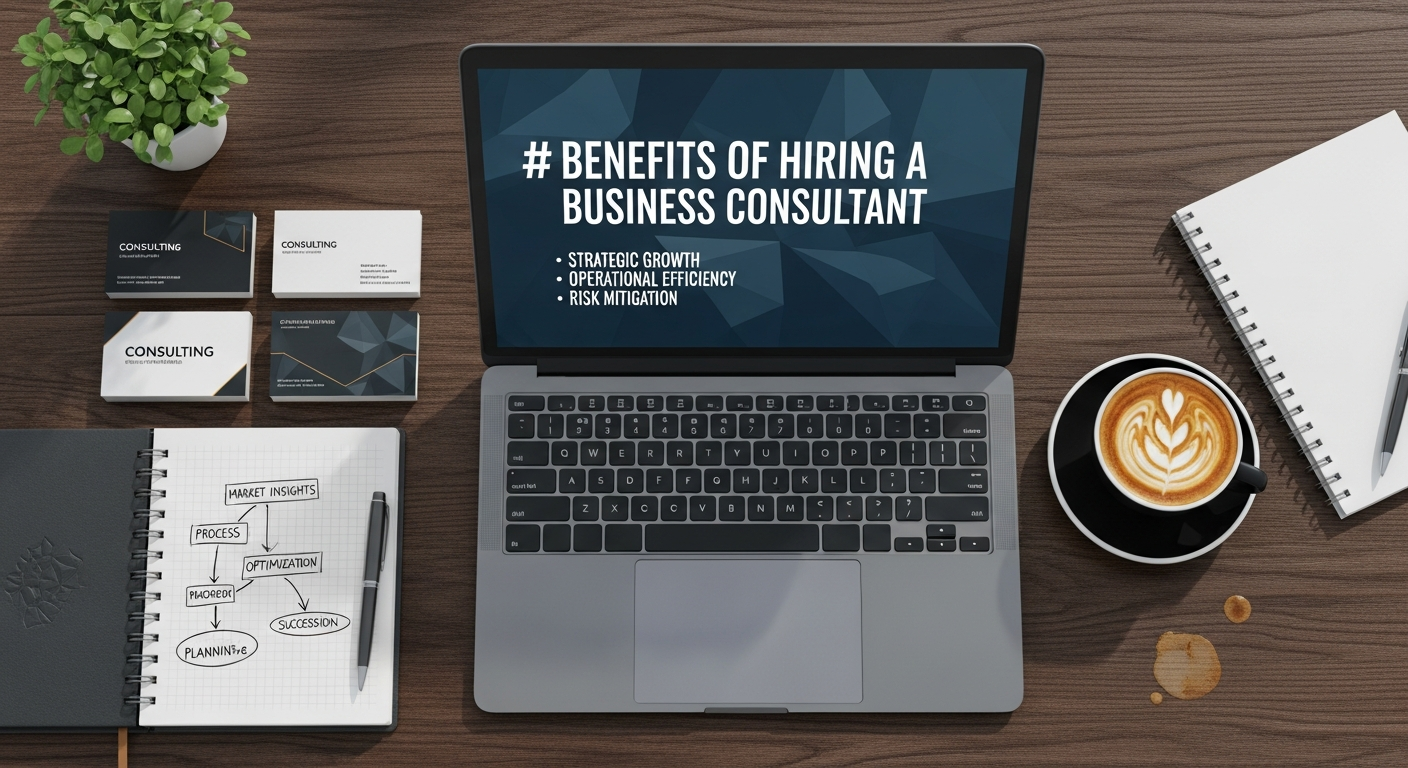
Beyond providing expert insight, a core benefit of hiring a business consultant is their profound impact on enhancing operational efficiency and optimizing business processes. In today’s competitive environment, even marginal improvements in efficiency can translate into significant cost savings and increased profitability. Consultants are adept at dissecting existing workflows, identifying bottlenecks, redundancies, and areas of waste that hinder productivity and inflate operational costs.
Their methodical approach often involves a comprehensive audit of current processes, from sales and marketing to production and customer service. They utilize various analytical tools and frameworks to map processes, measure performance metrics, and pinpoint inefficiencies. For instance, a consultant might uncover that disparate software systems are leading to duplicate data entry and communication breakdowns, suggesting integration solutions or new technology adoption. They don’t just point out flaws; they design and help implement streamlined processes that are more agile, cost-effective, and scalable.
A particularly relevant area where consultants excel is in helping businesses understand and implement strategies related to What Is Business Process Outsourcing (BPO). Consultants can evaluate an organization’s non-core functions—such as IT support, human resources, customer service, or accounting—and determine whether outsourcing these processes would yield greater efficiency and cost savings. They can guide the decision-making process, identify reputable BPO providers, negotiate contracts, and manage the transition, ensuring that the outsourced functions integrate seamlessly with the remaining internal operations. This strategic move, when expertly facilitated, allows companies to focus their internal resources on core competencies, thereby boosting overall efficiency and competitive focus.
Moreover, consultants bring fresh perspectives on leveraging technology for operational gains. They stay abreast of the latest advancements in automation, data analytics, and enterprise resource planning (ERP) systems. They can advise on the selection and implementation of tools that automate repetitive tasks, provide deeper insights into operational performance, and foster better collaboration across departments. By eliminating manual errors, reducing processing times, and freeing up employee time for more strategic activities, consultants directly contribute to a more efficient and productive workforce.
The ultimate goal of operational optimization is not just to cut costs but to create a more resilient and responsive organization. By streamlining processes, consultants help businesses adapt more quickly to market changes, improve service delivery, and enhance the customer experience. This systemic improvement ensures that resources are allocated optimally, waste is minimized, and every aspect of the operation contributes effectively to the company’s strategic objectives, laying a strong foundation for sustained success in the years leading up to 2026.
- Process Streamlining: Consultants analyze and redesign workflows to eliminate redundancies, reduce waste, and improve overall efficiency.
- Cost Reduction: By identifying inefficiencies and optimizing resource allocation, they help businesses lower operational costs.
- Technology Integration: They advise on and facilitate the adoption of new technologies and automation tools to enhance productivity.
- Benchmarking: Consultants can compare your operational performance against industry leaders to identify areas for improvement.
- BPO Strategy: They offer expertise in assessing and implementing Business Process Outsourcing solutions to focus on core competencies.
Driving Strategic Growth and Innovation
One of the key ways consultants drive strategic growth is through rigorous market analysis and opportunity identification. They conduct in-depth research into market trends, competitor activities, customer behavior, and technological shifts. This allows them to identify untapped market segments, potential new product or service offerings, and viable expansion strategies, whether domestically or internationally. They can help businesses understand the nuances of their competitive landscape and articulate a differentiated value proposition that resonates with target customers. This often involves developing comprehensive market entry strategies or evaluating the feasibility of diversifying into new ventures.
Beyond identifying opportunities, consultants are instrumental in developing robust strategic plans. They work closely with leadership teams to define clear objectives, establish measurable key performance indicators (KPIs), and outline actionable roadmaps for achieving growth targets. This includes everything from developing comprehensive business plans and financial models to refining organizational structures that support growth initiatives. Their external perspective ensures that these strategies are not only ambitious but also realistic and grounded in market realities.
Innovation is another critical aspect that consultants foster. In an era of rapid technological advancement, businesses must constantly innovate to remain relevant. Consultants can introduce methodologies for fostering a culture of innovation, such as design thinking or agile development principles. They can help evaluate new technologies, assess their potential impact on the business, and guide their adoption. This might involve advising on digital transformation initiatives, exploring artificial intelligence applications, or developing strategies for leveraging big data to inform decision-making. By bringing fresh ideas and best practices from across industries, consultants inspire internal teams to think creatively and challenge the status quo, ensuring the business is prepared for the challenges and opportunities of 2026.
Furthermore, consultants play a vital role in portfolio optimization. They can help businesses evaluate their current product or service offerings, identify underperforming assets, and recommend divestment or reallocation of resources towards more promising areas. This strategic pruning ensures that the company’s efforts and investments are concentrated on initiatives that yield the highest return and align with long-term growth objectives. Their ability to synthesize complex information into clear, actionable growth strategies makes them indispensable partners in navigating the path to sustained success.
- Market Opportunity Identification: Consultants perform deep market analysis to uncover new growth avenues, customer segments, and product possibilities.
- Strategic Planning: They assist in formulating clear, actionable strategic plans and roadmaps for achieving growth objectives.
- Innovation Frameworks: Consultants introduce methodologies and best practices to foster a culture of innovation and drive new product/service development.
- Business Model Transformation: They can help re-evaluate and redesign business models to adapt to changing market dynamics and capitalize on new trends.
- Digital Transformation Guidance: Expertise in leveraging technology to create new value, improve customer experience, and enhance operational capabilities.
Navigating Challenges and Mitigating Risks
The business world is replete with challenges, from economic downturns and market disruptions to internal operational hurdles and competitive pressures. Effectively navigating these obstacles and mitigating associated risks is crucial for survival and sustained success. Business consultants are invaluable allies in this regard, offering specialized expertise in problem-solving, crisis management, and proactive risk mitigation strategies.
When a business faces a significant challenge—be it declining sales, a public relations crisis, or internal organizational turmoil—consultants provide a structured approach to problem-solving. They employ diagnostic tools and analytical frameworks to pinpoint the root causes of issues, rather than merely addressing symptoms. Their external perspective, as mentioned earlier, is particularly beneficial here, as they can identify systemic problems that internal teams might be too close to see or too invested to acknowledge. For example, a consultant might uncover that declining sales are not just a marketing issue but stem from deeper problems in product quality, supply chain inefficiencies, or a flawed pricing strategy.
In times of crisis, a consultant can act as an objective third party, helping leadership make difficult decisions under pressure. They can develop and implement crisis communication plans, manage stakeholder expectations, and guide the organization through tumultuous periods with minimal long-term damage. Their experience with similar situations in other companies provides a valuable benchmark and a proven roadmap for recovery and resilience.
Risk mitigation is another critical area where consultants excel. They conduct comprehensive risk assessments, identifying potential threats across various facets of the business—financial, operational, reputational, and regulatory. Once risks are identified, they work with management to develop robust mitigation strategies, implement controls, and establish contingency plans. This proactive approach helps businesses anticipate potential pitfalls and build resilience, protecting assets and ensuring continuity of operations. For instance, a consultant might help a company establish a cybersecurity framework to protect against data breaches, or develop a succession plan to mitigate the risk of losing key leadership.
Furthermore, consultants are often brought in to manage complex organizational change. Whether it’s integrating a new acquisition, restructuring departments, or implementing a new company-wide software system, change can be disruptive. Consultants provide expertise in change management, helping to communicate changes effectively, address employee concerns, and ensure a smooth transition, minimizing resistance and maximizing adoption. Their guidance ensures that changes are implemented strategically, with minimal disruption to productivity and morale, positioning the company for a stronger position by 2026.
- Problem Resolution: Consultants apply structured methodologies to diagnose complex business problems and develop effective, data-driven solutions.
- Crisis Management: They provide objective guidance and strategic support during critical periods, helping businesses navigate and recover from crises.
- Risk Assessment & Mitigation: Consultants identify potential threats (financial, operational, reputational) and develop proactive strategies to minimize their impact.
- Change Management: They facilitate smooth transitions during organizational restructuring, technology implementation, or mergers, reducing disruption and fostering acceptance.
- Regulatory Compliance: Expertise in navigating complex regulatory landscapes, ensuring the business adheres to legal requirements and avoids penalties.
Boosting Marketing Effectiveness and Market Penetration
In an increasingly crowded and noisy marketplace, effective marketing is no longer just about promotion; it’s about strategic communication, customer engagement, and measurable ROI. Business consultants specializing in marketing can be transformative assets, helping companies refine their marketing strategies, optimize their spend, and significantly boost their market penetration. They bring a data-driven approach and an understanding of the evolving digital landscape that can redefine a company’s relationship with its customers.
Consultants begin by conducting a thorough audit of existing marketing efforts, analyzing everything from branding and messaging to channel effectiveness and customer acquisition costs. They leverage market research to gain deeper insights into target audiences, their preferences, and their buying behaviors. This foundational understanding allows them to develop highly tailored marketing strategies that resonate with potential customers and differentiate the brand from competitors. They can help articulate a compelling brand story and ensure consistent messaging across all touchpoints.
A key area where marketing consultants provide immense value is in helping businesses navigate the complexities of modern marketing channels. Specifically, they can offer expert guidance on the dichotomy of Inbound Marketing Vs Outbound Marketing. They help businesses understand the fundamental differences: inbound marketing focuses on attracting customers by creating valuable content and experiences tailored to them (e.g., content marketing, SEO, social media, email marketing), while outbound marketing pushes messages out to a broad audience (e.g., traditional advertising, cold calling, direct mail). A consultant will assess a company’s specific goals, target audience, budget, and industry to recommend the optimal mix of inbound and outbound strategies. They can advise on developing robust inbound content strategies that attract organic traffic, nurture leads, and establish thought leadership, while simultaneously optimizing outbound campaigns for maximum reach and conversion, ensuring that marketing spend is invested wisely for the best possible returns, well into 2026.
Furthermore, consultants are adept at implementing performance measurement frameworks. They help establish key marketing metrics and analytical tools to track the effectiveness of campaigns, allowing for continuous optimization. This data-driven approach ensures that marketing decisions are based on tangible results rather than assumptions, leading to more efficient resource allocation and improved ROI. They can identify underperforming channels or campaigns and recommend adjustments to maximize impact. This includes refining SEO strategies, optimizing pay-per-click campaigns, enhancing social media engagement, and developing compelling email marketing sequences.
Ultimately, by bringing a strategic, analytical, and results-oriented approach to marketing, consultants help businesses not only attract more customers but also build stronger customer relationships, enhance brand loyalty, and achieve sustainable market penetration. Their expertise transforms marketing from a cost center into a powerful engine for growth and revenue generation.
- Strategic Marketing Planning: Development of comprehensive marketing strategies aligned with business goals and target audiences.
- Brand Positioning: Refining brand messaging and positioning to create a strong, differentiated identity in the market.
- Digital Marketing Optimization: Expertise in SEO, content marketing, social media, PPC, and email marketing to enhance online presence and lead generation.
- Inbound vs. Outbound Strategy: Guidance on selecting and optimizing the right mix of inbound and outbound marketing tactics for maximum impact.
- Performance Measurement: Implementation of analytics and metrics to track marketing ROI and continuously optimize campaigns.
Preparing for the Future and Sustained Success
The ability to adapt, innovate, and plan for the long term is what separates enduring businesses from those that falter. Hiring a business consultant is a proactive step towards future-proofing an organization, building internal capabilities, and ensuring sustained success in an ever-evolving global economy. Consultants don’t just solve immediate problems; they equip businesses with the tools and strategies needed to thrive in the years to come, particularly as we look towards 2026.
A crucial aspect of preparing for the future involves building internal capabilities. While consultants provide external expertise, their ultimate goal is often to empower the client’s team. They do this through knowledge transfer, training, and mentoring, ensuring that new processes, systems, or strategies can be sustained long after their engagement ends. This might involve coaching leadership on strategic decision-making, training staff on new software, or developing internal project management competencies. By enhancing the skills and knowledge of the existing workforce, consultants create a more self-sufficient and adaptable organization.
Long-term strategic vision is another cornerstone of future readiness. Consultants help businesses look beyond immediate operational concerns to envision their place in the market five or ten years down the line. This includes developing robust strategic foresight, identifying potential disruptive technologies or market shifts, and formulating proactive responses. They can facilitate scenario planning exercises, helping leadership teams consider various future possibilities and develop flexible strategies that can adapt to different outcomes. This forward-thinking approach is vital for maintaining a competitive edge and ensuring relevance in a rapidly changing world.
Sustainability and resilience are also key considerations. Consultants can help businesses develop strategies for environmental, social, and governance (ESG) factors, which are increasingly important for investors, customers, and employees. They can advise on building a more resilient supply chain, diversifying revenue streams, and fostering a corporate culture that embraces continuous improvement and adaptability. This holistic approach ensures that the business is not only profitable but also socially responsible and capable of withstanding future shocks.
Furthermore, consultants often play a role in succession planning and talent development. They can help identify future leaders within the organization, assess skill gaps, and design development programs to prepare the next generation of management. This ensures a smooth leadership transition and preserves institutional knowledge, preventing disruptions that can arise from key personnel changes. By investing in these foundational elements, businesses can ensure they are well-positioned for sustained growth, innovation, and leadership in their respective industries, confidently navigating the landscape of 2026 and beyond.
- Capability Building: Consultants transfer knowledge, provide training, and mentor internal teams to build lasting organizational competencies.
- Strategic Foresight: They help businesses develop a long-term vision, anticipate future trends, and prepare for potential market disruptions.
- Resilience Planning: Advising on strategies to build a more robust and adaptable organization capable of withstanding economic shifts and unforeseen challenges.
- Succession Planning: Assisting in identifying and developing future leaders to ensure smooth transitions and continuity of leadership.
- Sustainable Growth Frameworks: Guiding businesses to integrate ESG principles and practices for long-term viability and stakeholder value.
In conclusion, the decision to hire a business consultant is a strategic investment that yields a multitude of benefits across every facet of an organization. From providing an objective, expert perspective and specialized knowledge that can unlock hidden potential, to dramatically enhancing operational efficiency and driving strategic growth, consultants are catalysts for positive transformation. They are indispensable partners in navigating complex challenges, mitigating risks, and significantly boosting marketing effectiveness in an increasingly competitive digital arena. Crucially, they don’t just offer solutions for today; they equip businesses with the tools, knowledge, and foresight needed to prepare for the future, build internal capabilities, and ensure sustained success and resilience well into 2026 and beyond. For any business leader committed to excellence, innovation, and enduring prosperity, engaging a business consultant is not merely an option, but a strategic imperative for achieving and maintaining a competitive edge.
Frequently Asked Questions
Recommended Resources
You might also enjoy How To Open A Brokerage Account from Fin3go.
Related reading: How To Use User Generated Content For Sales (E-ComProfits).