
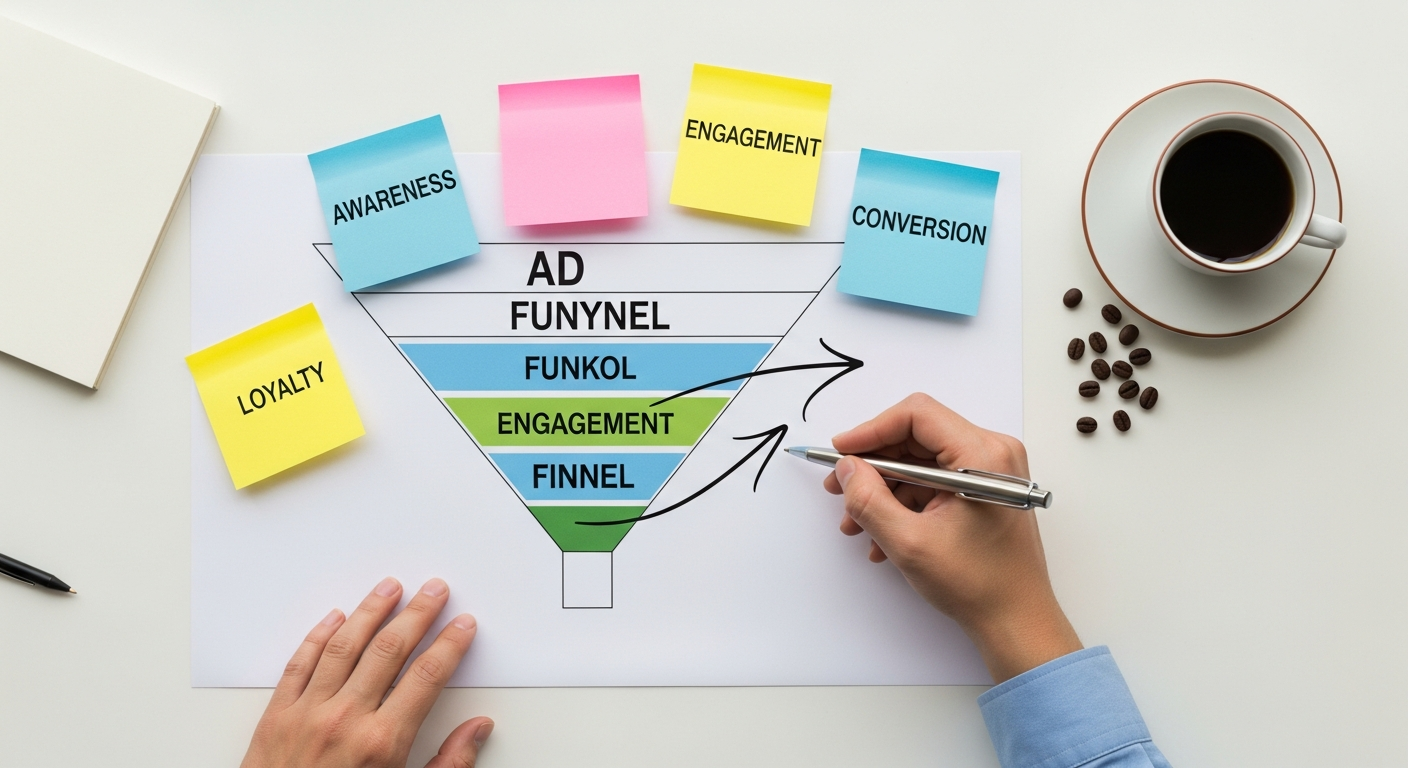
Mastering Retargeting Ads: Your Definitive Guide to Converting Engaged Audiences
1. The Strategic Imperative: Why Retargeting is Non-Negotiable for B2B Growth
The B2B sales cycle is notoriously complex and lengthy. Decision-makers conduct extensive research, compare solutions, and often involve multiple stakeholders. This extended journey means that even highly interested prospects might navigate away from your site or content without converting. Retargeting acts as your persistent, intelligent sales assistant, keeping your brand top-of-mind and nudging prospects closer to a decision. It’s about leveraging prior engagement to drive future action.
Consider the data: industry benchmarks consistently show that retargeting campaigns often yield significantly higher click-through rates (CTRs) and conversion rates compared to standard prospecting campaigns. Prospects who have already interacted with your brand are inherently more qualified; they’ve expressed a degree of interest, making them more receptive to your messaging. This inherent qualification translates directly into more efficient ad spend, lower customer acquisition costs (CAC), and improved return on ad spend (ROAS).
For B2B specifically, retargeting addresses several unique challenges:
* Complex Solutions: B2B products and services often require a deeper understanding. Retargeting allows you to deliver sequential messages that educate prospects further, addressing objections and highlighting specific value propositions relevant to their expressed interest.
* Longer Sales Cycles: Over weeks or even months, prospects can forget about your solution. Retargeting ensures your brand remains visible, preventing competitors from stealing their attention.
* Multiple Decision-Makers: B2B purchasing involves committees. Retargeting can target all individuals who visited your site, ensuring your message reaches various stakeholders who might influence the final decision.
* High-Value Conversions: Each B2B conversion typically represents a higher lifetime value (LTV). Investing in retargeting to secure these conversions is a high-ROI activity.
2. Laying the Foundation: Data Collection, Audience Segmentation, and Platform Setup
Effective retargeting begins with robust data collection and intelligent audience segmentation. Without these foundational elements, your efforts will lack precision and impact. Think of it as building a custom funnel for each type of engaged user, ensuring your messages resonate deeply.
2.1. Installing Tracking Pixels and Tags
The cornerstone of retargeting is the tracking pixel or tag. This small piece of code, placed on your website, collects anonymous data about visitor behavior. Key platforms for B2B typically include:
* Google Tag: Essential for Google Ads and Google Analytics. It tracks website visits, page views, conversions, and more, allowing you to build remarketing lists.
* Meta Pixel: For Facebook and Instagram ads. Tracks similar events, crucial for retargeting on these platforms.
* LinkedIn Insight Tag: Indispensable for B2B. It tracks company page visits, website activity, and allows for powerful Matched Audiences based on professional attributes.
Actionable Step: Implement these pixels across your entire website using Google Tag Manager (GTM) for centralized management. Verify their installation using browser extensions like the Google Tag Assistant, Meta Pixel Helper, or LinkedIn Insight Tag Helper. Ensure they fire correctly on all relevant pages and track key events (e.g., form submissions, demo requests, specific content downloads).
2.2. Crafting Intelligent Audience Segments
Once your pixels are firing, the real power lies in segmenting your audience based on their engagement level and intent. Generic retargeting lists (“all website visitors”) are a starting point, but granular segmentation drives superior results.
Here are critical B2B audience segments to build:
* All Website Visitors (Excluding Converters): Your broadest net. Good for brand awareness and re-engagement campaigns.
* Specific Page Viewers:
* Product/Service Page Viewers: Highly interested in a particular offering.
* Pricing Page Viewers: Strong purchase intent.
* Case Study/Testimonial Page Viewers: Evaluating social proof.
* Career Page Viewers: Important for recruitment, but exclude from sales campaigns.
* Content Engagers:
* Blog Readers (Specific Topics): Interested in a particular problem or solution.
* Whitepaper/eBook Downloaders: Have provided an email, showing deeper interest.
* Video Viewers (e.g., 25%, 50%, 75% complete): Engaged with your visual content.
* Form Abandoners: Started filling out a lead form or demo request but didn’t complete it. High intent, low barrier to re-engagement.
* CRM Lists (Customer Match/Matched Audiences): Upload lists of existing customers (for upsell/cross-sell), lost opportunities, or cold leads from your CRM (e.g., HubSpot, Salesforce). This allows for highly personalized campaigns.
* High-Value Page Visitors: Identify pages visited by your ideal customer profiles (ICPs) – e.g., solutions for specific industries, enterprise-level offerings.
* Time-Based Segments: Segment based on recency (e.g., visited in the last 7 days vs. 30 days vs. 90 days). Newer visitors often have higher intent.
Framework: The Engagement-Based Segmentation Matrix
| Engagement Level | Audience Segment Example | Retargeting Offer Idea |
| :————— | :———————– | :——————— |
| Low (Awareness) | All website visitors | Brand story, useful blog post, free tool |
| Medium (Interest)| Blog readers, video viewers | Related webinar, case study, educational guide |
| High (Consideration)| Product/pricing page viewers, form abandoners | Demo offer, free trial, limited-time discount, specific features deep dive |
| Very High (Decision)| CRM lists (lost opps) | Exclusive consultation, personalized outreach, last-chance offer |
| Post-Conversion | Existing customers | Upsell, cross-sell, loyalty program, support resources |
This matrix ensures your messaging is always relevant to where the prospect is in their journey.
3. Crafting Compelling Retargeting Campaigns: Strategy, Creative & Offers
Once your audience segments are defined, the next step is to design campaigns that speak directly to their specific interests and pain points. This requires a thoughtful blend of strategic messaging, engaging creative, and compelling offers.
3.1. Mapping Ads to the Buyer Journey
Your retargeting ads shouldn’t be a one-size-fits-all approach. Tailor your message to the prospect’s stage in the buyer journey:
* Awareness Stage (Top of Funnel – ToFu): For general website visitors or those who consumed high-level content.
* Goal: Educate, build brand recall, provide value.
* Ad Copy: Focus on problem identification, industry trends, thought leadership.
* Offer: Another valuable blog post, infographic, free tool, webinar invitation.
* Example: “Struggling with [Problem X]? Learn how industry leaders are solving it.” -> Links to a comprehensive guide.
* Consideration Stage (Middle of Funnel – MoFu): For visitors who viewed product pages, downloaded specific content, or engaged with multiple pages.
* Goal: Demonstrate unique value, build trust, differentiate.
* Ad Copy: Highlight benefits, unique features, social proof (testimonials, case studies).
* Offer: Detailed case study, comparative guide, demo video, limited-time trial, specific feature breakdown.
* Example: “See how [Your Company] helped [Similar Company] achieve [Result Y]. Read the case study.”
* Decision Stage (Bottom of Funnel – BoFu): For pricing page visitors, form abandoners, or those with high intent signals.
* Goal: Drive conversion, overcome final objections.
* Ad Copy: Focus on urgency, direct calls to action, addressing common objections, guarantees.
* Offer: Free consultation, personalized demo, limited-time discount, free audit, direct contact with a sales rep.
* Example: “Ready to transform your [Area]? Book a personalized demo today and see the difference.”
3.2. Dynamic Retargeting vs. Static Ads
* Dynamic Retargeting: Highly effective for B2B when you have multiple products, services, or content pieces. It automatically generates ads featuring the specific items or content a user viewed on your site. For example, if a prospect browsed your “CRM Integration Services” page, a dynamic ad could show an ad specifically for that service. This requires a product feed (or content feed) and robust pixel setup.
* Static Ads: Standard image or video ads. While less personalized than dynamic ads, they are crucial for broader messages, brand building, or targeting segments where dynamic content isn’t applicable (e.g., CRM lists).
3.3. Crafting Engaging Ad Creative and Copy
* Visuals: Use high-quality images or videos that are visually appealing and relevant to your B2B audience. Consider infographics, animated explainers, or professional headshots. For LinkedIn, professional, clean visuals are key.
* Headlines: Grab attention. Use power words, pose questions, or state a clear benefit. (e.g., “Boost Your Sales by 30%,” “Is Your Data Secure?”).
* Ad Copy:
* Personalization: Address the audience segment directly (e.g., “To our recent whitepaper readers…”).
* Value Proposition: Clearly articulate the benefit, not just features. How does your solution solve their problem?
* Urgency/Scarcity (Use Sparingly): “Limited spots available,” “Offer ends soon” – but ensure it’s genuine in B2B.
* Social Proof: “Trusted by 500+ businesses,” “As featured in [Industry Publication].”
* Clear Call-to-Action (CTA): “Download Now,” “Request a Demo,” “Learn More,” “Get Your Free Audit.” Make it singular and prominent.
* A/B Testing: Continuously test different headlines, ad copy variations, visuals, and CTAs. Even minor tweaks can significantly impact performance. Tools like Google Optimize (for landing pages) and built-in A/B testing features on ad platforms are invaluable.
Ad Copy Template Example (Consideration Stage):
* Headline: Struggling with [Specific Pain Point]?
* Body: You’ve explored our [Product/Service Name]. See how [Your Company Name] helps businesses like yours achieve [Key Benefit 1] and [Key Benefit 2] with our [Unique Feature].
* Social Proof: Trusted by [Number] industry leaders.
* CTA: Download the Full Case Study | Request a Deep Dive
By strategically aligning your ads with the prospect’s journey and continuously optimizing your creative, you transform retargeting from a simple reminder into a powerful conversion engine.
4. Platform-Specific Tactics for B2B Retargeting Excellence
While the core principles of retargeting remain consistent, each advertising platform offers unique capabilities that B2B marketers can leverage. Understanding these nuances is key to maximizing your reach and impact.
4.1. Google Ads: Precision & Reach Across the Web
Google Ads offers unparalleled reach across Search, Display, YouTube, and Gmail.
* Remarketing Lists for Search Ads (RLSA): This is a B2B goldmine. Instead of showing ads only to new searchers, RLSA allows you to bid higher or show different ads to people who have previously visited your site when they search for your keywords again.
* Tactic: If a prospect visited your “HR Software Solutions” page, and then later searches for “best HR software,” you can show them a highly relevant ad, perhaps with a special offer or a direct comparison to a competitor.
* Google Display Network (GDN) Retargeting: Visual ads shown on millions of websites and apps.
* Tactic: Use eye-catching banner ads to remind prospects of your brand and guide them back to specific product pages. Segment lists by page visited (e.g., “pricing page visitors” see an ad for a demo).
* YouTube Retargeting: Target users who have watched your YouTube videos, visited your channel, or even engaged with specific videos.
* Tactic: If a prospect watched your product demo video, retarget them with a case study or a direct demo request ad.
* Customer Match: Upload your CRM email lists to target existing customers for upsells or lapsed customers with win-back offers.
4.2. LinkedIn Ads: The B2B Powerhouse
LinkedIn is the premier platform for B2B professionals, offering highly targeted retargeting capabilities based on professional attributes.
* LinkedIn Insight Tag: Essential for creating Matched Audiences.
* Website Retargeting (Matched Audiences): Create audiences based on specific pages visited, similar to Google and Meta.
* Tactic: Target visitors to your “Solutions for Financial Services” page with ads showcasing case studies from financial institutions.
* Video Retargeting: Target users who have viewed your LinkedIn video content.
* Tactic: If someone watched 50% or more of your thought leadership video, retarget them with an invitation to a related webinar or a more in-depth whitepaper.
* Lead Gen Forms: Integrate directly into your retargeting campaigns. When a user clicks your ad, a pre-filled form (with their LinkedIn profile data) appears, significantly reducing friction.
* Tactic: For high-intent segments (e.g., pricing page visitors), offer a “Book a Demo” ad with a LinkedIn Lead Gen Form.
* CRM List Upload (Matched Audiences): Upload account lists (Account-Based Marketing) or contact lists from your CRM to target specific companies or individuals with highly personalized messages.
* Tactic: Target decision-makers at target accounts who have previously shown interest with exclusive content or direct outreach offers.
4.3. Meta Ads (Facebook & Instagram): Nurturing & Community
While often seen as B2C, Meta platforms can be highly effective for B2B retargeting, especially for building community, thought leadership, and reaching broader audiences within target companies.
* Meta Pixel Custom Audiences: Build audiences based on website visits, specific page views, video views, and engagement with your Facebook/Instagram content.
* Lead Ads (with Instant Forms): Similar to LinkedIn Lead Gen Forms, these pre-fill user data, making lead capture seamless.
* Tactic: Retarget blog readers with an offer to download a resource using a Lead Ad, capturing their information without them leaving Facebook.
* Engagement Custom Audiences: Target users who have engaged with your Facebook or Instagram page, posts, or events.
* Tactic: If someone commented on your post about industry challenges, retarget them with an ad for a webinar discussing solutions to those challenges.
* Lookalike Audiences: Once you have a strong retargeting audience, create a “lookalike” audience to find new prospects who share similar characteristics with your engaged users. This is great for scaling.
4.4. Other Platforms: AdRoll, Criteo, Programmatic DSPs
For more advanced B2B marketers, platforms like AdRoll or direct integration with Demand-Side Platforms (DSPs) can offer broader reach and more sophisticated controls for programmatic retargeting across the web. These often integrate with CRM systems for deeper personalization.
The key is not to use every platform, but to strategically select those where your B2B audience spends their time and where your ad budget will yield the best results. Focus on integrating your data and message across chosen platforms for a cohesive, multi-channel retargeting experience.
5. Measuring Success and Optimizing for Continuous ROI
Launching retargeting campaigns is just the beginning. The true art lies in meticulously measuring their performance and continually optimizing them to ensure sustained return on investment (ROI). Without a clear framework for analysis and iteration, even the best-laid strategies can falter.
5.1. Key Metrics for Retargeting Success
Beyond standard ad metrics, focus on these for retargeting:
* Conversion Rate (CR): The ultimate measure. How many retargeted users completed your desired action (demo, download, contact)? Track this by audience segment and campaign.
* Cost Per Acquisition (CPA) / Cost Per Lead (CPL): How much does it cost to acquire a conversion or lead through retargeting? This should ideally be significantly lower than prospecting campaigns.
* Return on Ad Spend (ROAS): For campaigns directly tied to revenue (e.g., product purchases, subscription sign-ups). Total revenue generated from retargeting ads divided by the cost of those ads.
* Click-Through Rate (CTR): Indicates how compelling your ads are. Higher CTRs suggest better ad relevance and creative.
* Frequency: The average number of times a unique user sees your ad over a specific period. Too low, and they might miss your message; too high, and you risk ad fatigue.
* Reach & Impressions: How many unique users are you reaching, and how many times are your ads being displayed?
* Time to Conversion: For B2B, this can be a crucial metric. Retargeting often shortens the sales cycle.
* Assisted Conversions: In Google Analytics, retargeting often plays a role in conversions even if it’s not the last click. Understand its contribution.
Tools for Measurement:
* Google Analytics 4 (GA4): Set up custom events and conversions to track specific actions on your website. Utilize the “Explorations” reports to analyze user journeys and attribution.
* Ad Platform Dashboards: Google Ads, Meta Ads Manager, LinkedIn Campaign Manager provide detailed insights into campaign performance.
* CRM Integration: Connect your ad platforms with your CRM (e.g., HubSpot, Salesforce) to track leads from ads all the way through your sales pipeline, attributing revenue back to specific campaigns.
5.2. Optimization Frameworks & Tactics
Continuous optimization is the engine of effective retargeting.
* A/B Testing (Iterative Optimization):
* Ad Creative: Test different headlines, ad copy, images, videos, and CTAs.
* Audience Segments: Test different audience sizes and definitions. Does targeting “pricing page visitors (last 7 days)” perform better than “pricing page visitors (last 30 days)”?
* Landing Pages: Ensure your retargeting ads direct users to highly relevant and optimized landing pages. Test different versions.
* Frequency Capping: Prevent ad fatigue. Most platforms allow you to set a limit on how many times a user sees your ad per day/week. For B2B, 3-5 impressions per week is often a good starting point, but test what works for your audience.
* Negative Retargeting/Exclusion Lists:
* Exclude Converters: Crucially, exclude users who have already completed your desired action (e.g., booked a demo, became a customer) from relevant campaigns. You don’t want to waste budget or annoy them.
* Exclude Irrelevant Audiences: If someone visited your careers page, exclude them from product ads.
* Exclude Problematic IP Ranges: Block your own company’s IP address or known bot traffic.
* Bid Adjustments: Optimize bids based on performance. Increase bids for high-performing segments or during specific times of day.
* Audience Refinement:
* Recency: Prioritize more recent visitors, as they often have higher intent.
* Engagement Depth: Focus on users who spent more time on your site or viewed more pages.
* Lookalike Audiences: Once a retargeting audience performs well, use it as a seed to create lookalike audiences for prospecting.
* Ad Sequencing: For complex B2B sales, consider a series of retargeting ads that guide prospects through a logical progression, gradually revealing more information or increasing the offer’s intensity.
* Attribution Modeling: Understand how your retargeting campaigns contribute to conversions. Don’t solely rely on last-click attribution. Explore models like linear, time decay, or position-based to get a holistic view.
By consistently monitoring these metrics and applying a rigorous optimization process, you can transform your retargeting campaigns into a highly efficient, perpetually improving machine that drives predictable B2B growth.
6. Advanced Retargeting Strategies and Common Pitfalls to Avoid
Moving beyond the basics, advanced retargeting strategies can unlock even greater conversion potential, while understanding common pitfalls can save you significant time and budget.
6.1. Advanced Strategies
* Cross-Channel Retargeting Synchronization: A prospect might visit your website, watch a YouTube video, and then engage with your LinkedIn post. A truly advanced strategy ensures these actions inform a synchronized retargeting sequence across all platforms.
* Implementation: Use a Customer Data Platform (CDP) or integrate your CRM with various ad platforms to create a unified view of the customer journey. Tools like Terminus or Clearbit can augment your audience data.
* Example: A user who watched 75% of your product demo on YouTube might then see a LinkedIn ad for a free consultation, and a Google Display ad showcasing a relevant case study.
* Sequential Retargeting Funnels: Design a specific series of ads to guide prospects through a predefined journey.
* Implementation: Set up audience lists based on ad engagement. For example, Audience 1 sees Ad A. If they click Ad A but don’t convert, they move to Audience 2 and see Ad B (with a stronger offer). If they don’t click Ad A, they might see a different Ad C (more educational).
* Example:
1. Ad 1 (Blog Readers): “Learn more about [Topic].” (Links to a comprehensive guide).
2. Ad 2 (If Ad 1 clicked, no conversion): “Deep dive into [Solution]. Download our Whitepaper.” (Lead magnet).
3. Ad 3 (If Ad 2 converted): “Ready to see it in action? Book a Demo.” (High-intent CTA).
Value-Based Retargeting: Instead of simply segmenting by page visit, use the value* of the pages or content consumed to prioritize audiences. Assign higher “scores” to pages like pricing, demo requests, or solution pages for enterprise clients.
* Implementation: Integrate Google Analytics with your CRM data or use custom dimensions to track high-value interactions. Bid more aggressively for these high-score audiences.
Account-Based Retargeting (ABM Retargeting): For highly targeted B2B sales, upload a list of specific target companies (via IP addresses or company names) to platforms like LinkedIn or Google Ads. Then, retarget individuals within those companies* who have visited your site.
* Implementation: Use LinkedIn Matched Audiences for account lists. Consider ABM platforms like Terminus or RollWorks for more sophisticated capabilities.
* Example: Target key decision-makers at your 20 target accounts with personalized messages that reference their company’s industry or specific challenges, after they’ve visited your website.
6.2. Common Pitfalls to Avoid
* Ad Fatigue: Showing the same ad too many times to the same person. This leads to annoyance, ignored ads, and wasted spend.
* Solution: Implement frequency capping, rotate ad creatives regularly (every 2-4 weeks), and use sequential retargeting to vary the message.
* Irrelevant Offers: Offering a demo to someone who only read a top-of-funnel blog post is premature. Offering a blog post to someone who just abandoned a demo request is a missed opportunity.
* Solution: Rigorously segment your audiences and align your offers with their stage in the buyer journey, as discussed in Section 3.
* Poor Landing Page Experience: Retargeting ads bring users back, but if the landing page is slow, confusing, or doesn’t deliver on the ad’s promise, they’ll bounce again.
* Solution: Ensure landing pages are highly relevant, load quickly, have clear CTAs, and are optimized for conversions. A/B test landing page elements.
* Ignoring Negative Retargeting: Not excluding converters or irrelevant audiences.
* Solution: Always set up exclusion lists for customers, recent converters, job seekers, and other non-target audiences.
* Overly Broad Audiences: Retargeting everyone who visited your homepage in the last 180 days can dilute your efforts.
* Solution: Focus on granular segmentation based on intent and engagement level. Use shorter retargeting windows for high-intent actions.
* Set It and Forget It: Retargeting is not a “set it and forget it” strategy. Market conditions, audience behaviors, and competitor actions constantly change.
* Solution: Regularly review performance metrics (weekly or bi-weekly), conduct A/B tests, and make data-driven adjustments to bids, budgets, creatives, and audiences.
By proactively addressing these potential pitfalls and embracing advanced, data-driven strategies, you can transform your retargeting efforts from a simple reminder system into a sophisticated, high-performance conversion engine for your B2B business.