
The Evolving Landscape of Work in 2026: Navigating New Realities
The future of work is not a distant concept; it is already here, rapidly reshaping industries and job roles. In 2026, professionals will operate within an ecosystem profoundly influenced by automation, artificial intelligence, and a heightened emphasis on global collaboration. Understanding these foundational shifts is the first step toward strategic career planning.
Automation, AI, and the Human Element
Artificial intelligence and automation are no longer merely buzzwords; they are integrated components of daily operations across sectors. From robotic process automation streamlining routine tasks to advanced AI algorithms powering data analytics and predictive modeling, these technologies are augmenting human capabilities, not entirely replacing them. The key for career advancement in 2026 lies in learning to work alongside these technologies. This means developing skills in AI literacy, understanding how AI tools can enhance your productivity, and focusing on uniquely human attributes like creativity, emotional intelligence, and complex problem-solving that AI cannot replicate. Those who embrace AI as a co-worker, rather than a competitor, will find themselves at a significant advantage.
Gig Economy, Flexible Work Models, and Global Collaboration
The traditional nine-to-five office job is increasingly being supplemented, if not supplanted, by more flexible work arrangements. The gig economy continues to expand, offering opportunities for specialized professionals to offer their services on a project basis. Remote and hybrid work models have become standard, driven by technological advancements and a greater emphasis on work-life integration. For individuals, this means cultivating self-discipline, effective communication across distributed teams, and the ability to manage projects independently. Furthermore, the globalized nature of modern business means that teams are often dispersed across continents. Understanding the nuances of cross-cultural communication and collaboration is paramount. This shift also impacts how companies structure their operations, leading to discussions around What Is Business Process Outsourcing (BPO). As companies increasingly leverage global talent pools and specialized external providers for functions like IT, customer service, or finance, understanding these operational models can open up new career avenues, whether in managing outsourced relationships or specializing in services that complement BPO functions.
Mastering Essential Skills for Future Growth

In a world where job descriptions are fluid and industry demands shift rapidly, a static skill set is a recipe for stagnation. For career advancement in 2026, a commitment to continuous skill development, particularly in areas poised for significant growth, is non-negotiable.
Digital Literacy and AI Fluency
Beyond basic computer proficiency, digital literacy in 2026 encompasses a deeper understanding of digital ecosystems, cybersecurity basics, and, critically, AI fluency. This doesn’t mean becoming an AI developer, but rather understanding how AI tools work, their ethical implications, and how to effectively leverage them in your daily tasks. Familiarity with machine learning concepts, data visualization tools, and even prompt engineering for generative AI can significantly boost your value proposition. These skills directly contribute to How To Improve Employee Productivity, enabling individuals to automate mundane tasks, analyze data more efficiently, and make more informed decisions.
Data Analysis and Critical Thinking
Data is the new oil, and the ability to interpret, analyze, and draw actionable insights from it is a highly coveted skill. Regardless of your industry or role, proficiency in data literacy – understanding metrics, using analytical tools, and translating complex data into clear narratives – will set you apart. Coupled with critical thinking, which involves evaluating information objectively, identifying biases, and forming reasoned judgments, these skills empower you to make data-driven decisions and solve complex problems effectively. Employers in 2026 will prioritize individuals who can not only access information but also intelligently process and apply it.
Emotional Intelligence and Adaptability
As technology handles more routine tasks, uniquely human skills become even more valuable. Emotional intelligence – the ability to understand and manage your own emotions, and to recognize and influence the emotions of others – is crucial for effective leadership, teamwork, and client relations. Empathy, active listening, and conflict resolution are indispensable in diverse, often remote, work environments. Hand-in-hand with emotional intelligence is adaptability. The pace of change will only accelerate, meaning professionals must be comfortable with ambiguity, resilient in the face of setbacks, and eager to learn new ways of working. A growth mindset, embracing challenges as opportunities for learning, is a hallmark of successful career advancement in 2026.
Complex Problem-Solving and Creativity
While AI can solve defined problems with immense speed, complex problems often lack clear definitions and require innovative, out-of-the-box thinking. The ability to break down multifaceted challenges, synthesize information from various sources, and devise novel solutions is a cornerstone skill for 2026. Creativity, often associated with artistic endeavors, is equally vital in business for developing new products, services, processes, and strategies. Fostering an environment that encourages divergent thinking and experimentation will be key for both individuals and organizations.
Strategic Networking and Mentorship in the Digital Age
Building Authentic Connections Online and Offline
The digital age has expanded the possibilities for networking far beyond traditional in-person events. Platforms like LinkedIn, industry-specific forums, and virtual conferences offer unparalleled access to peers, thought leaders, and potential employers globally. However, the quality of these connections matters more than quantity. Focus on building authentic relationships by offering value, engaging thoughtfully, and following up genuinely. Attend industry events, join professional associations, and participate in online discussions. Remember, networking isn’t just about what others can do for you; it’s also about what value you can offer to others. Strong networks can often provide insights into new roles, emerging companies, and even help you understand specific business challenges, such as the intricacies of How To Build B2b Sales Funnel strategies within different organizations.
The Power of Reverse Mentorship
Mentorship remains a powerful tool for career growth, providing guidance, insights, and advocacy. In 2026, consider embracing reverse mentorship, where younger or less experienced professionals mentor senior colleagues on topics like new technologies, social media strategies, or emerging cultural trends. This bidirectional exchange of knowledge benefits both parties, fostering innovation and bridging generational gaps. Actively seeking both traditional mentors and opportunities for reverse mentorship can accelerate your learning and broaden your perspective.
Leveraging Professional Communities
Beyond one-on-one connections, professional communities and associations offer structured environments for growth. These can be industry-specific groups, alumni networks, or communities centered around particular skill sets (e.g., data scientists, project managers). Participating in these communities provides access to shared resources, collaborative projects, and opportunities to demonstrate your expertise. Engaging in these groups can also be a valuable way to stay informed about industry best practices, including understanding different approaches to challenges like How To Improve Employee Productivity across various organizations.
Leveraging Technology and Data for Personal Branding
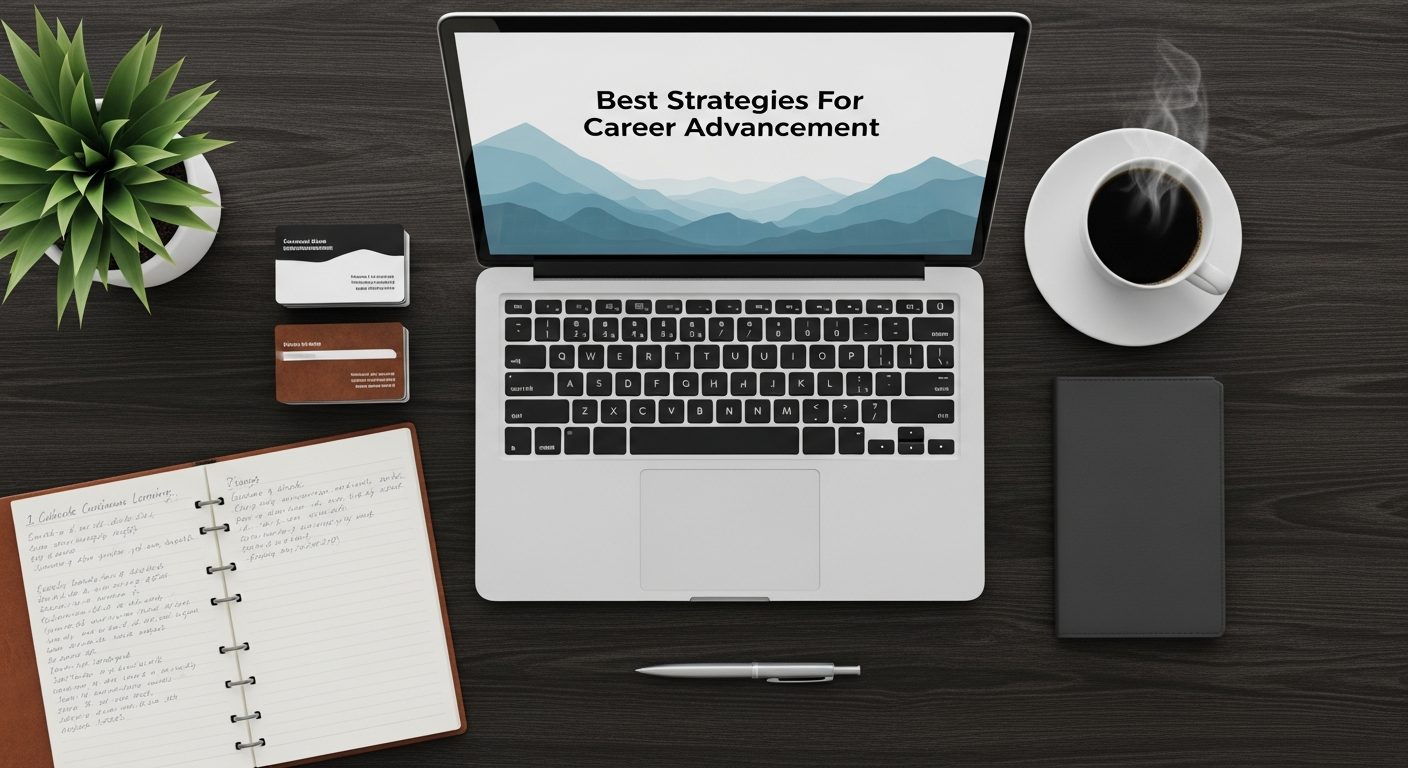
In the competitive landscape of 2026, your professional identity extends far beyond your resume. A strong, authentic personal brand, amplified by technology and data, is essential for visibility, credibility, and sustained career advancement.
Crafting Your Digital Footprint
Your online presence is often the first impression you make. Ensure your professional profiles (LinkedIn, personal website, portfolio) are polished, up-to-date, and consistently reflect your expertise and career aspirations. Showcase your skills, accomplishments, and professional interests clearly. Curate the content you share and engage with, ensuring it aligns with the professional image you wish to project. A thoughtful digital footprint can attract opportunities and build a reputation as a credible expert in your field.
Demonstrating Impact with Metrics
In today’s data-driven world, simply stating your responsibilities is no longer enough. To truly advance your career, you must quantify your impact. Use data and metrics to illustrate your achievements and contributions. For example, instead of saying “managed social media,” state “grew social media engagement by 30% and increased lead conversion by 15% through targeted campaigns.” This data-centric approach applies to all roles and is a direct reflection of understanding How To Improve Employee Productivity – by showing measurable outcomes. By tracking your contributions and presenting them with data, you provide irrefutable evidence of your value to current and prospective employers.
Thought Leadership and Content Creation
Positioning yourself as a thought leader in your domain can significantly elevate your personal brand. This involves sharing insights, perspectives, and expertise through various content forms: articles, blog posts, presentations, webinars, or even active participation in online discussions. Contributing to industry conversations not only demonstrates your knowledge but also builds credibility and attracts opportunities. For instance, if your expertise lies in understanding complex business processes, writing a piece on the implications of What Is Business Process Outsourcing for specific industries could establish you as an authority. Similarly, sharing insights on optimizing stages of a How To Build B2b Sales Funnel for a niche market could position you as a valuable resource for B2B companies. Consistent, high-quality content creation can establish you as a go-to expert, opening doors to speaking engagements, consulting opportunities, and leadership roles.
Embracing Continuous Learning and Adaptability
The half-life of skills is shrinking rapidly. What was cutting-edge yesterday might be obsolete tomorrow. For career advancement in 2026, a commitment to lifelong learning and an unwavering adaptable mindset are paramount.
Upskilling and Reskilling as a Norm
Upskilling (enhancing existing skills) and reskilling (learning entirely new skills for a different role) are no longer optional but essential survival strategies. Identify the skills most in demand within your industry and proactively seek out learning opportunities. This could involve online courses (Coursera, edX, LinkedIn Learning), certifications, workshops, or even self-directed learning through books and industry publications. Companies are also investing more in internal learning platforms to How To Improve Employee Productivity through skill development, so leverage those resources if available. Prioritize skills that are transferable across different roles and industries, such as project management, data analysis, or digital marketing, ensuring your expertise remains relevant and valuable.
Micro-credentials and Experiential Learning
Formal degrees remain valuable, but micro-credentials and specialized certifications are gaining significant traction in 2026. These shorter, focused learning programs allow professionals to acquire specific, in-demand skills quickly and efficiently. Look for certifications from reputable institutions or industry bodies that validate your expertise. Furthermore, experiential learning – learning by doing – through volunteer work, side projects, hackathons, or cross-functional team assignments can provide practical experience and demonstrate your ability to apply new knowledge in real-world scenarios. These experiences can be particularly valuable for understanding complex business operations, such as how an effective How To Build B2b Sales Funnel is actually implemented and optimized within an organization.
Cultivating a Growth Mindset
At the core of continuous learning and adaptability is a growth mindset. This involves believing that your abilities and intelligence can be developed through dedication and hard work. Individuals with a growth mindset embrace challenges, learn from criticism, find inspiration in the success of others, and persevere in the face of setbacks. This contrasts with a fixed mindset, which assumes abilities are static. Cultivating a growth mindset is fundamental for sustained career advancement in 2026, enabling you to remain resilient, curious, and open to new possibilities throughout your professional journey.
Internal Mobility and Navigating Organizational Structures
While external opportunities are always an option, significant career advancement can often be found within your current organization. Understanding internal dynamics, proactively seeking opportunities, and becoming an indispensable asset are key strategies for 2026.
Understanding Your Company’s Strategic Vision
To effectively advance internally, you must first understand where your company is headed. What are its strategic goals for the next 3-5 years? What challenges is it facing? Which departments are growing, and which are being restructured? By aligning your personal career goals with the company’s broader objectives, you can identify roles and projects that are strategically important and visible. Pay attention to how the company optimizes operations, for example, by utilizing What Is Business Process Outsourcing for non-core functions, and consider how your skills could either support these outsourced relationships or fill critical roles that remain in-house.
Proactive Engagement with Internal Opportunities
Don’t wait for opportunities to come to you; actively seek them out. Express interest in cross-functional projects, volunteer for committees, or propose initiatives that address a company need. Inform your manager and HR about your aspirations and discuss potential growth paths. If a new role isn’t immediately available, look for ways to expand your current responsibilities or take on stretch assignments that allow you to develop new skills and demonstrate your capabilities. This proactive engagement directly contributes to How To Improve Employee Productivity, not just for yourself, but by setting an example and contributing to overall organizational agility.
Becoming an Indispensable Asset
To advance, you need to be perceived as someone the organization cannot afford to lose. This involves consistently delivering high-quality work, being a reliable team player, and proactively solving problems before they escalate. Go beyond your job description by identifying inefficiencies, suggesting improvements, and taking ownership of outcomes. Develop strong relationships across departments, making yourself a go-to person for specific expertise or collaborative efforts. When companies consider promotion or new leadership roles, they look for individuals who consistently demonstrate value, leadership potential, and a deep understanding of the business’s operational nuances, including how various functions, such as those related to a How To Build B2b Sales Funnel, contribute to the company’s bottom line.
Building a Resilient Career Path: Long-Term Vision
Career advancement in 2026 is not a sprint; it’s a marathon requiring foresight, strategic planning, and the ability to adapt your trajectory as circumstances change. A resilient career path is built on a clear vision and continuous self-assessment.
Defining Your North Star: Long-Term Goals
While flexibility is key, having a general long-term vision for your career provides a ‘North Star’ to guide your decisions. What kind of impact do you want to make in five or ten years? What industries or types of roles excite you most? Regularly revisit and refine these goals, understanding that they may evolve. This clarity helps you prioritize learning opportunities, networking efforts, and job choices that align with your ultimate aspirations. Without a vision, even understanding complex business mechanisms like What Is Business Process Outsourcing or optimizing a How To Build B2b Sales Funnel might not translate into personal career gains if you don’t know where you want to apply that knowledge.
Strategic Planning and Iterative Adjustments
Once you have a long-term vision, break it down into smaller, actionable steps. Set short-term (1-2 year) and mid-term (3-5 year) goals related to skill acquisition, experience building, and networking. Regularly review your progress, celebrate achievements, and don’t be afraid to adjust your plan based on new information, unexpected opportunities, or shifts in the market. The ability to iterate and pivot gracefully is a sign of a truly resilient professional. This iterative process mirrors the agile methodologies used in many businesses to improve efficiency and adapt to market changes, directly contributing to How To Improve Employee Productivity at an individual level.
Financial Acumen and Entrepreneurial Thinking
A resilient career path also involves a degree of financial acumen and an entrepreneurial mindset, regardless of whether you work for yourself or a large corporation. Understanding personal finance, investing, and the economic landscape provides stability and options. Entrepreneurial thinking involves identifying problems, creating solutions, taking calculated risks, and demonstrating initiative. This mindset is invaluable for career advancement, as it positions you as a proactive problem-solver and value creator. Even within a corporate structure, understanding business fundamentals, such as the stages and metrics of a How To Build B2b Sales Funnel, the cost-benefit analysis of BPO, or strategies for improving employee productivity, makes you a more valuable and well-rounded professional, capable of contributing to the organization’s strategic success.
In conclusion, career advancement in 2026 demands a multi-faceted approach centered on continuous learning, strategic networking, and a proactive mindset. By embracing new technologies, mastering essential human skills, and understanding the evolving business landscape, you can not only navigate the future of work but also actively shape your own remarkable professional journey.
Frequently Asked Questions
Recommended Resources
You might also enjoy What Is A 401K And How Does It Work from Fin3go.
Learn more about this topic in Amazon Prime Benefits Worth It Guide at Gold Points.