

Understanding the Strategic Importance of Professional Relationships in B2B
Before diving into the ‘how-to,’ it’s crucial to grasp the fundamental ‘why.’ In the B2B world, transactions are often complex, long-term, and high-value, necessitating a foundation of trust and understanding. Professional relationships go far beyond simple acquaintance; they are about creating a reciprocal ecosystem where mutual benefit thrives. For businesses, these connections translate into tangible advantages that impact every facet of operations.
- Access to Opportunities: A strong network acts as an early warning system and an opportunity radar. You’re more likely to hear about emerging market trends, potential partnerships, or lucrative projects long before they become public knowledge. This proactive intelligence can be invaluable for strategic planning and competitive positioning in 2026.
- Knowledge and Insights: No single entity possesses all the answers. Your network provides access to diverse perspectives, industry expertise, and practical advice. Whether it’s understanding the nuances of a new regulatory environment or gaining insights into customer behavior, your connections can offer invaluable intelligence that informs decision-making.
- Collaboration and Partnerships: Many B2B challenges are best tackled through collaboration. Professional relationships facilitate the formation of strategic alliances, joint ventures, and outsourcing partnerships. For instance, understanding what is Business Process Outsourcing can lead to identifying the right partners through your network, ensuring your company focuses on its core competencies while leveraging external expertise for non-core functions. These collaborations can drive innovation and expand market reach.
- Mentorship and Development: For individuals, a robust network provides access to mentors who can offer guidance, share experiences, and help navigate career paths. For organizations, it can mean finding experts to train your team or offering mentorship programs that boost employee morale and skill development, contributing directly to how to improve employee productivity.
- Reputation and Trust: In B2B, reputation is paramount. A network built on trust and integrity enhances your personal and corporate brand. Referrals from trusted connections are often more potent than any marketing campaign, as they come with an inherent stamp of approval.
- Resilience and Support: Business environments can be unpredictable. A strong network offers a support system during challenging times, providing advice, resources, and even potential solutions to unforeseen problems.
In essence, professional relationships are the invisible infrastructure that supports sustainable business growth and personal career advancement. They transform isolated efforts into collective strengths, paving the way for innovation and resilience.
Strategic Networking: Identifying Your Targets and Platforms for 2026

Effective networking isn’t about collecting as many business cards as possible; it’s about strategically cultivating meaningful connections with the right people in the right places. This requires a targeted approach, much like developing a precise marketing strategy. As we head towards 2026, understanding where and with whom to invest your networking efforts is crucial.
Defining Your Networking Goals
Before you even think about attending an event or sending a connection request, clarify what you hope to achieve. Are you looking for:
- New clients or sales leads?
- Potential partners for a new venture?
- Mentors or mentees?
- Industry insights and trend information?
- Talent acquisition or recruitment?
- Career advancement opportunities?
Your goals will dictate who you target and which platforms you prioritize. For example, if your goal is lead generation, your strategy might align closely with how to build a B2B sales funnel, using networking as a powerful top-of-funnel activity.
Identifying Key Individuals and Organizations
Once your goals are clear, identify the types of people and organizations that can help you achieve them. This might include:
- Industry Peers: Colleagues and competitors who share your industry.
- Potential Clients: Decision-makers, influencers, or budget holders in your target market.
- Strategic Partners: Companies offering complementary services or products.
- Thought Leaders: Experts and innovators whose insights can guide your strategy.
- Mentors: Experienced professionals who can offer guidance and support.
- Referral Sources: Individuals or businesses who frequently encounter your target audience and can make introductions.
Choosing the Right Platforms and Venues
Networking opportunities exist both online and offline. A balanced approach is often most effective for 2026.
Offline Networking Venues:
- Industry Conferences and Trade Shows: These are goldmines for concentrated networking. Prepare thoroughly by researching attendees and speakers in advance.
- Local Business Associations and Chambers of Commerce: Excellent for building local connections and understanding regional market dynamics.
- Professional Meetups and Workshops: Often more focused and intimate, allowing for deeper conversations around specific topics.
- Alumni Networks: Leverage shared experiences and trust built through educational institutions.
- Volunteer Work: A great way to meet like-minded professionals in a less formal setting, demonstrating your values.
Online Networking Platforms:
- LinkedIn: The undisputed champion for professional networking. Optimize your profile, engage with content, participate in groups, and send personalized connection requests.
- Industry-Specific Forums and Communities: Niche platforms where experts discuss specific challenges and solutions.
- Virtual Events and Webinars: The rise of digital communication means many conferences and workshops now have virtual components, making them accessible globally.
- Twitter (X) / & other social media: While not exclusively professional, these platforms can be used for thought leadership, engaging with industry influencers, and discovering relevant conversations.
The key is to be intentional. Don’t just show up; show up with a purpose, a clear understanding of who you want to connect with, and what value you can offer in return.
Mastering the Art of Connection: From First Contact to Follow-Up
The Art of the Initial Approach
First impressions matter immensely. Whether online or in person, your initial interaction sets the tone.
- Be Prepared and Present: If at an event, have a clear, concise elevator pitch ready (who you are, what you do, and what value you offer). More importantly, be fully present in the conversation. Put away your phone and make eye contact.
- Lead with Curiosity, Not Sales: Your primary goal in the first interaction is to learn, not to sell. Ask open-ended questions about the other person’s work, challenges, and interests. People love to talk about themselves and appreciate genuine interest.
- Find Common Ground: Listen actively for shared interests, mutual connections, or common challenges. This creates rapport and provides a natural segue for deeper conversation.
- Offer Value First: Instead of immediately asking for something, think about what you can offer. This could be a relevant article, an introduction to someone else in your network, or a helpful insight. This establishes you as a resource, not just a taker.
- Be Authentic and Memorable: Don’t try to be someone you’re not. Let your personality shine through. A genuine interaction is far more memorable than a polished, rehearsed one.
Crafting Your Value Proposition
While you’re not selling in the first conversation, you should be able to articulate your value succinctly. This isn’t about boasting; it’s about explaining how you or your company solve problems. For example, if your company specializes in solutions that improve employee productivity, be ready to share a brief, compelling example of how you’ve done that for another client.
The Critical Role of Active Listening
This cannot be overstated. Active listening means truly hearing and understanding what the other person is saying, both verbally and non-verbally. It involves:
- Paying Full Attention: Avoid interrupting or formulating your response while they’re still speaking.
- Asking Clarifying Questions: “Could you elaborate on that?” or “So, if I understand correctly, you’re saying…”
- Summarizing and Reflecting: Paraphrasing what you’ve heard demonstrates that you’ve processed their message.
- Empathy: Trying to understand their perspective and feelings.
Active listening builds trust and shows respect, which are the cornerstones of any strong relationship.
The Power of the Follow-Up
Many promising connections wither due to a lack of effective follow-up. This is where you transition from a brief encounter to a developing relationship.
- Timeliness is Key: Send a follow-up message within 24-48 hours. This shows you value the connection and keeps the conversation fresh in their mind.
- Personalize Your Message: Reference specific points from your conversation. “It was great discussing [topic X] with you at [event Y]. I found your insights on [specific point] particularly interesting.” Avoid generic templates.
- Reiterate Value or Offer Help: Remind them of any value you offered or suggest a way you might be able to help them. “As we discussed, I’m happy to connect you with [mutual contact] if you’re still looking for expertise in [area].”
- Suggest a Next Step: This could be a brief virtual coffee chat, sharing a relevant article, or a simple suggestion to connect on LinkedIn. Keep it low-pressure.
- Organize Your Contacts: Use a CRM or a simple spreadsheet to track your interactions, notes, and follow-up actions. This is essential for managing a growing network, much like tracking leads in a B2B sales funnel.
A well-executed follow-up transforms a chance meeting into a valuable professional contact, laying the groundwork for a long-term relationship.
Nurturing Relationships: Sustaining Value Over Time
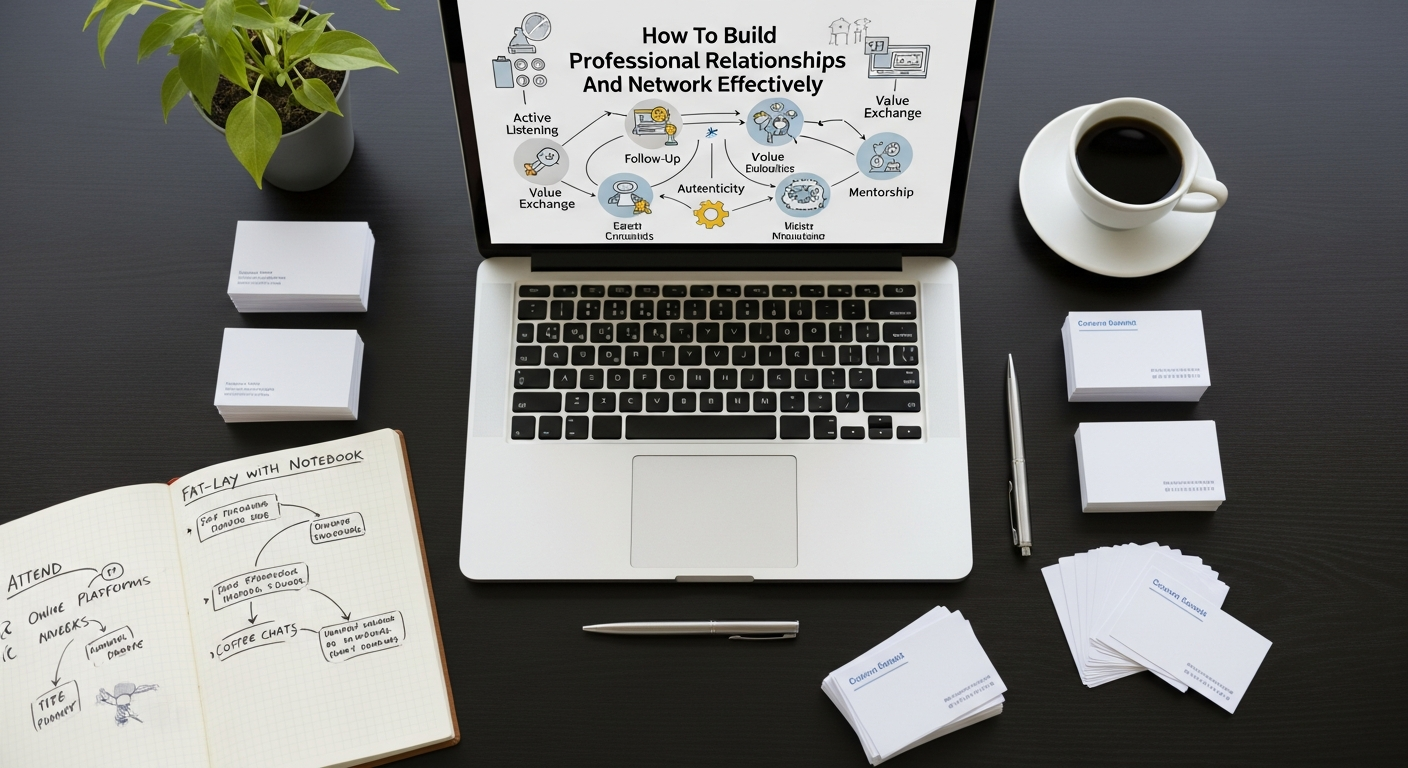
Building a connection is just the first step; the true measure of a strong network lies in its sustenance. Nurturing professional relationships requires consistent effort, genuine interest, and a commitment to providing mutual value over the long term. This isn’t a transactional process but an ongoing investment.
Consistent Engagement, Not Just When You Need Something
The biggest mistake people make in networking is only reaching out when they need a favor or a sale. This quickly erodes trust. Instead, aim for consistent, low-pressure engagement:
- Share Relevant Content: If you come across an article, report, or industry insight that you know would be valuable to a contact, share it with a personalized note.
- Congratulate Achievements: Acknowledge promotions, company milestones, or notable achievements shared on LinkedIn.
- Check-Ins: Periodically reach out with a simple “How are things going?” or “Hope you’re having a productive week.”
- Remember Key Details: Make notes about their interests, hobbies, family, or professional goals. Remembering these details and referencing them in future conversations shows you genuinely care.
The Principle of Reciprocity: Give More Than You Take
Strong relationships are built on a foundation of mutual giving. Always think about how you can help your connections before you consider what they can do for you. This could involve:
- Making Introductions: Connect two people in your network who could benefit from knowing each other.
- Offering Advice or Expertise: Share your knowledge when a connection faces a challenge in your area of expertise.
- Providing Referrals: If you know a contact is looking for a particular service, and you know someone who provides it, make the referral. This applies to everything from identifying potential partners for Business Process Outsourcing to recommending a new productivity tool.
- Supporting Their Endeavors: Share their content, attend their webinars, or offer testimonials if appropriate.
When you consistently offer value, you build up a reservoir of goodwill, making others more inclined to help you when you do need assistance.
Leveraging Different Communication Channels
While email and LinkedIn are staples, don’t shy away from other channels to maintain connections:
- Quick Phone Calls: A brief call can often convey more warmth and personality than several emails.
- Virtual Coffee Chats: Schedule short video calls to catch up, especially with contacts who are geographically distant.
- In-Person Meetings: When possible, meeting for coffee, lunch, or even just a quick chat at an event can significantly strengthen a bond.
- Holiday Greetings: A personalized holiday card or message can be a nice touch.
Managing Your Network Effectively for 2026
As your network grows, managing it becomes increasingly important. Just like managing your sales pipeline, you need a system:
- CRM Systems: For businesses, a CRM isn’t just for clients; it can track interactions with key network contacts, reminding you of follow-ups and important dates.
- Personalized Contact Lists: For individuals, a simple spreadsheet with notes on conversations, interests, and last contact dates can be highly effective.
- Segment Your Network: Categorize your contacts (e.g., mentors, potential clients, industry peers, strategic partners) to tailor your engagement.
- Schedule Regular Check-ins: Block out time weekly or monthly specifically for network nurturing. This ensures consistency and prevents connections from fading.
Nurturing relationships is an ongoing journey that yields compounding returns. By consistently providing value, engaging authentically, and managing your network proactively, you’ll build a powerful support system that serves you well into 2026 and beyond.
Leveraging Technology and Tools for Network Expansion and Management
In the digital age, technology plays an indispensable role in expanding, managing, and nurturing professional relationships. From social platforms to specialized CRMs, leveraging the right tools can significantly enhance your networking efforts, making them more efficient and effective, especially as we plan for 2026.
Optimizing Your Digital Presence
Your online professional identity is often the first point of contact for new connections. Ensure it is polished, professional, and reflective of your expertise.
- LinkedIn Profile Optimization:
- Complete and Keyword-Rich: Ensure your profile is fully filled out, including a professional photo, compelling headline, detailed experience, and relevant skills. Use keywords that describe your expertise and industry.
- Showcase Thought Leadership: Share insightful articles, post original content, and engage in discussions within industry groups. This positions you as an expert and attracts like-minded professionals.
- Request and Give Recommendations: Testimonials from colleagues and clients add significant credibility.
- Professional Website or Blog: If applicable, maintain an up-to-date professional website or blog where you can showcase your work, share insights, and provide contact information. This can serve as a hub for interested parties to learn more about you and your business.
- Other Social Media (Strategically): While LinkedIn is primary, platforms like X (formerly Twitter) can be used for real-time engagement with thought leaders and industry news. Ensure your public profiles are consistent and professional.
Tools for Connection and Communication
Technology facilitates initial connections and ongoing communication.
- Virtual Meeting Platforms: Tools like Zoom, Microsoft Teams, or Google Meet have become essential for conducting virtual coffee chats, informational interviews, and client meetings, especially with geographically dispersed contacts.
- Email Marketing Platforms (for broader outreach): While direct, personalized emails are crucial for one-on-one connections, email marketing tools can be used to send newsletters or updates to a segmented list of contacts, keeping them informed about your company’s developments or relevant industry insights. This can be particularly useful for nurturing leads at the top of a B2B sales funnel that originated from networking events.
- Event Management Software: For organizing your own networking events or webinars, platforms like Eventbrite or Hopin can streamline registration, communication, and follow-up.
CRM and Contact Management Systems
For managing a growing network, a robust system is non-negotiable.
- Customer Relationship Management (CRM) Software: Tools like Salesforce, HubSpot, or Zoho CRM are not just for sales. They can be invaluable for tracking interactions, setting follow-up reminders, storing notes about contacts’ interests and needs, and segmenting your network. This systematic approach ensures no valuable connection falls through the cracks.
- Specialized Networking Apps: Some apps are designed specifically for networking, helping you exchange digital business cards (e.g., Contxts, HiHello), manage event contacts, or find relevant professionals.
- Personalized Spreadsheets: For individuals or small businesses, a well-organized spreadsheet can serve as a basic CRM, allowing you to track contacts, conversation points, and next steps.
Leveraging AI and Automation (Cautiously)
As AI advances, there are tools that can assist with networking, but always use them with a human touch.
- AI-powered Sourcing: Some tools can help identify relevant professionals based on your criteria, saving research time.
- Automated Follow-up Reminders: CRMs can automate reminders for follow-ups, ensuring consistency.
Caution: While automation can streamline processes, never automate personalized outreach. Genuine relationship building requires human effort, customization, and authenticity. Automated messages often feel impersonal and can damage trust. The goal is to use technology to augment your human interactions, not replace them.
By strategically integrating these technologies into your networking routine, you can expand your reach, maintain stronger connections, and ensure your professional relationships are consistently nurtured and leveraged effectively in 2026.
The Impact on Business Growth: From Sales Funnels to Productivity
The efforts invested in building professional relationships and networking effectively are not abstract exercises; they translate directly into tangible business growth. A well-cultivated network can significantly impact various critical areas, from lead generation and sales conversion to internal efficiency and overall market standing. As B2B companies strategize for 2026, integrating networking into core business development is paramount.
Fueling the B2B Sales Funnel
Networking is an incredibly powerful engine for how to build a B2B sales funnel, particularly at the top and middle stages.
- Lead Generation and Qualification:
- Referrals: The most valuable leads often come from referrals within your network. A trusted connection introducing you to a potential client carries far more weight than a cold call or email.
- Early-Stage Identification: Through conversations and industry events, you can identify companies facing challenges your business solves, even before they formally enter a buying cycle.
- Market Intelligence: Networking provides insights into market needs, competitor activities, and emerging opportunities, helping you target the right prospects.
- Building Rapport and Trust:
- Accelerating the Sales Cycle: Relationships built on trust and familiarity can significantly shorten the sales cycle. Prospects are more likely to engage and convert when they feel they know and trust you.
- Understanding Client Needs: Deeper relationships allow for more candid conversations about a prospect’s pain points, enabling you to tailor solutions precisely.
- Closing Deals and Post-Sales Support:
- Introductions to Key Decision-Makers: Your network can provide direct access to the ultimate budget holders and decision-makers, bypassing gatekeepers.
- Client Retention and Upselling: Strong relationships with existing clients lead to higher retention rates and opportunities for upselling or cross-selling new services.
Enhancing Employee Productivity and Engagement
The impact of networking extends internally, contributing significantly to how to improve employee productivity and overall organizational health.
- Knowledge Sharing and Best Practices:
- Internal Networks: Encouraging employees to build internal networks fosters cross-departmental collaboration and knowledge transfer, breaking down silos.
- External Networks: Employees with strong external networks bring fresh ideas, industry best practices, and innovative solutions back to the organization, enriching the internal knowledge base.
- Mentorship and Skill Development:
- Access to Expertise: Networking provides avenues for employees to connect with mentors, both within and outside the company, accelerating their skill development and career growth.
- Problem Solving: Employees can tap into their networks to find solutions to complex problems, rather than reinventing the wheel, leading to faster problem resolution and greater efficiency.
- Employee Engagement and Morale:
- Sense of Belonging: A well-connected employee feels more integrated and valued within the organization and the broader industry.
- Career Opportunities: Networking provides employees with a clearer understanding of career paths and opportunities, leading to greater motivation and retention.
Strategic Partnerships and Operational Efficiency
Beyond sales and productivity, networking is crucial for strategic decision-making and operational excellence.
- Identifying Strategic Partners: Whether for joint ventures, technology integration, or understanding what is Business Process Outsourcing and finding the right BPO provider, your network is an invaluable resource for identifying and vetting potential partners.
- Market Insights and Innovation: Connections with thought leaders and innovators provide early access to market trends, technological advancements, and shifts in consumer behavior, enabling your company to innovate proactively.
- Talent Acquisition: A strong network can be a powerful recruitment tool, helping you attract top talent through referrals and personal recommendations.
- Crisis Management: During unforeseen challenges, a robust network can provide critical support, resources, and advice, helping your business navigate difficult periods with greater resilience.
In conclusion, professional relationships are not a peripheral activity but a central pillar of sustainable business growth. By strategically building and nurturing your network, you are actively investing in a future where opportunities are abundant, challenges are met with collective wisdom, and your business thrives through meaningful connections.
Common Pitfalls and How to Avoid Them in Your Networking Journey
While the benefits of effective networking are undeniable, the path to building a strong professional network is not without its challenges. Many individuals and businesses fall into common traps that can hinder their efforts or even damage their reputation. Recognizing these pitfalls and proactively avoiding them is crucial for successful networking in 2026 and beyond.
1. Being Transactional, Not Relational
Pitfall: Approaching networking with a mindset of “what can this person do for me?” or only reaching out when you need something. This makes interactions feel disingenuous and quickly alienates potential connections.
How to Avoid: Shift your mindset to one of contribution. Focus on genuinely learning about others, understanding their challenges, and identifying ways you can offer value first. Build relationships on reciprocity and mutual respect, not immediate gain. Think long-term investment, not short-term transaction.
2. Lack of Follow-Up
Pitfall: Making great initial connections at events or online, but failing to follow up. This is one of the most common and detrimental mistakes, as it leaves promising interactions to wither away.
How to Avoid: Develop a disciplined follow-up strategy. Send personalized messages within 24-48 hours, referencing specific conversation points. Suggest a clear, low-pressure next step (e.g., a virtual coffee, connecting on LinkedIn, sharing a relevant article). Use a CRM or a simple system to track your follow-ups and ensure consistency.
3. Being Unprepared or Unfocused
Pitfall: Attending events or engaging online without a clear understanding of your goals or who you want to connect with. This leads to aimless conversations and wasted time.
How to Avoid: Define your networking goals before you start. Research attendees, speakers, or groups in advance. Have a concise, value-driven elevator pitch ready. Understand what value you bring to the table and what types of connections would be most beneficial for your objectives, whether it’s learning more about what is Business Process Outsourcing or finding new leads for your B2B sales funnel.
4. Poor Listening Skills
Pitfall: Dominating conversations, waiting for your turn to speak, or not truly absorbing what the other person is saying. This makes people feel unheard and undervalued.
How to Avoid: Practice active listening. Ask open-ended questions, allow the other person to speak without interruption, and summarize what you’ve heard to confirm understanding. Show genuine interest in their insights, challenges, and goals. Remember details from your conversations for future reference.
5. Neglecting to Nurture Existing Relationships
Pitfall: Focusing solely on acquiring new connections while letting existing ones fade away. A strong network is built on depth, not just breadth.
How to Avoid: Regularly engage with your existing network. Share valuable content, congratulate them on achievements, and periodically check in without an agenda. Make introductions between contacts who could benefit from knowing each other. Prioritize nurturing key relationships just as much as you prioritize forming new ones.
6. Lack of Authenticity and Professionalism
Pitfall: Presenting a false persona, exaggerating accomplishments, or displaying unprofessional behavior (e.g., being overly casual, gossiping, or complaining) in professional settings.
How to Avoid: Be your genuine self, but always maintain professionalism. Authenticity builds trust, while a facade will eventually crumble. Be respectful, reliable, and consistent in your interactions. Ensure your online presence aligns with your professional image.
7. Fear of Rejection or Shyness
Pitfall: Allowing anxiety or introversion to prevent you from initiating conversations or following up.
How to Avoid: Start small. Set achievable goals (e.g., “I will talk to three new people at this event”). Focus on asking questions and listening, which takes pressure off you to talk. Remember that most people are open to polite, professional interactions. Rejection is rare, and often, a lack of connection simply means it wasn’t the right fit, not a personal failing. Practice makes perfect.
By being mindful of these common pitfalls and actively implementing strategies to avoid them, you can build a more robust, authentic, and impactful professional network that serves you and your business well into the future.
Frequently Asked Questions
Recommended Resources
Explore How To Do Competitor Analysis In Marketing for additional insights.
Explore Open Banking Explained for additional insights.