Updated May 2024.
Setting out into adulthood or navigating a mid-career pivot often feels like being handed a map with no landmarks. You know you want to arrive at “success,” but the route is foggy, and the terrain is constantly shifting. This is where a well-crafted five-year life plan becomes your most valuable asset. A five-year roadmap isn’t a rigid contract that stifles your spontaneity; rather, it is a living document that provides a sense of direction, purpose, and control over your professional and business growth.
For professionals looking to stabilize their finances and master essential career development and professional growth skills, planning is the bridge between dreaming and doing. By the time the next half-decade rolls around, the progress you make today will have compounded into a life that looks fundamentally different—and significantly better. In the following guide, we will break down the essential components of a robust long-term strategy. We will explore how to audit your current standing, set high-impact financial goals, map out your career trajectory, and develop the life skills necessary to sustain your growth. Whether you are finishing school, starting your first “real” job, or looking to pivot your lifestyle, this blueprint will help you navigate the future with confidence and clarity.
Where Do You Want to Be in Five Years?
Conducting a Comprehensive Life Audit
Before you can crunch numbers or update your resume, you need a destination. A common mistake young adults make is setting “survival goals”—focusing only on paying the next month’s rent or getting through the work week. To build a long-term strategy, you must look beyond the immediate horizon. Start by conducting a “Life Audit.” Look at the core pillars of your existence: Career, Finance, Health, Relationships, and Personal Growth. Ask yourself: if there were no barriers, what would these areas look like in half a decade? Perhaps you see yourself in a management role, living in a specific city, or having a healthy emergency fund and zero consumer debt.
The Perfect Day Visualization
A popular exercise for this stage is the “Perfect Day” visualization. Describe, in detail, what a typical Tuesday would look like a few years from now. What time do you wake up? What does your workspace look like? How do you feel when you check your bank account? This isn’t just “manifesting”; it’s identifying the specific outcomes you value most. Once you have a clear vision, you can work backward to create the milestones needed to reach it. Remember, your vision can evolve, but starting with a definitive “North Star” prevents the aimless drifting that characterizes so many people’s twenties and thirties.
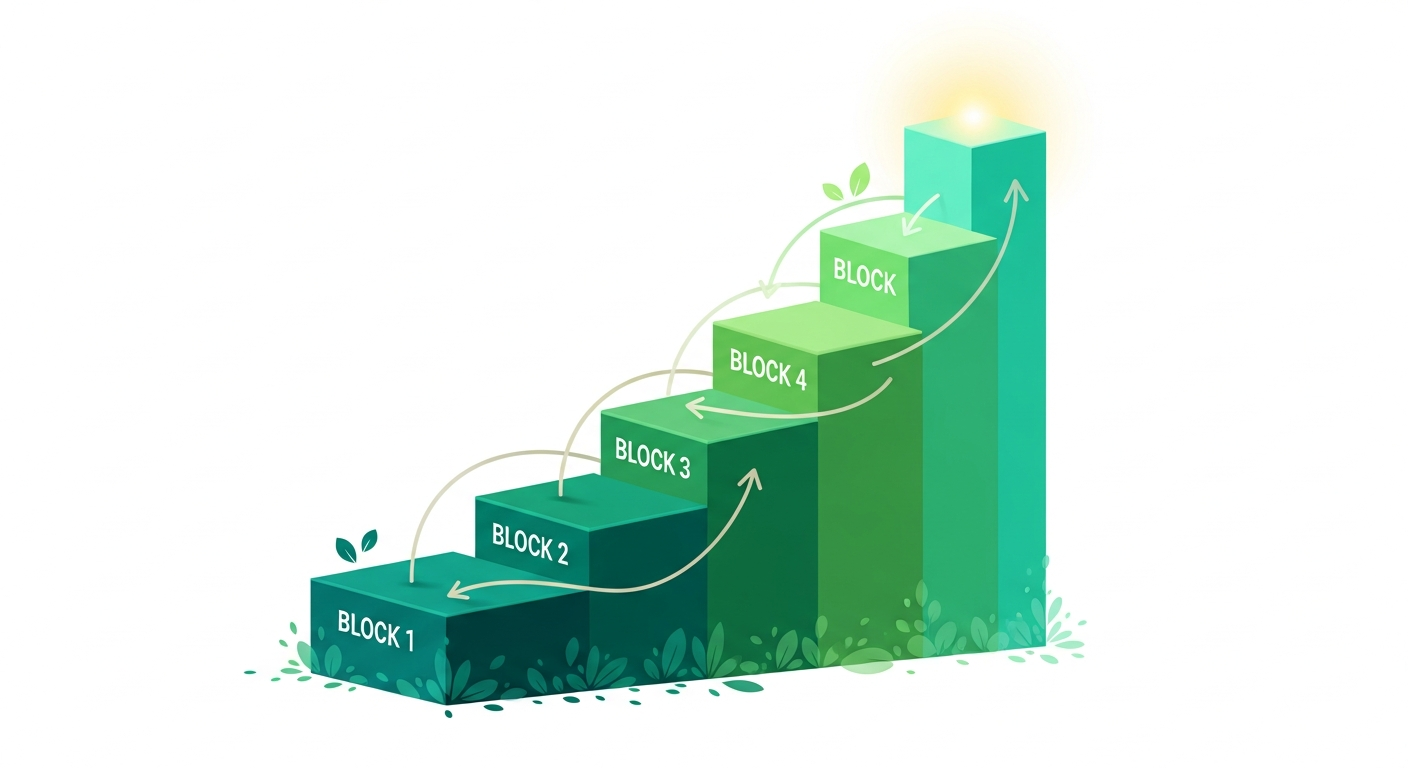
[INLINE IMAGE 1: Infographic showing a five-year life plan timeline for career and financial growth.]
The Financial Foundation for Building Wealth and Stability
For most professionals, the biggest source of stress is money. Therefore, your roadmap must have a heavy emphasis on financial literacy and wealth building. By the end of your timeline, the economic landscape will undoubtedly have changed, but the principles of sound finance remain constant. A strong financial base is also the prerequisite for advanced career change planning, as it provides the runway needed to take calculated professional risks.
Eliminating High-Interest Debt
If you are carrying high-interest credit card debt or student loans, your strategy should include a structured payoff system. Use the “Debt Avalanche” (paying off highest interest first) or “Debt Snowball” (paying off smallest balances first) method to regain your cash flow. Eliminating debt frees up capital that can be redirected toward wealth-building activities.
Building a Robust Savings Buffer
Aim to build a three-to-six-month emergency fund. This is your “freedom fund” that allows you to take risks, like switching jobs, starting a business, or moving to a new city, without the fear of financial ruin. Without savings, you are forced to make career decisions based on immediate survival rather than long-term growth.
Strategic Investing for the Future
Time is your greatest ally. Even if you can only contribute a small amount, starting a Roth IRA or contributing to a 401(k) now will put you miles ahead of those who wait until their thirties. Investing early leverages the power of compound interest. Additionally, focus on “Income Expansion.” Don’t just plan for your current salary. Look at how you can increase your value in the marketplace. This might mean pursuing a certification, asking for a raise every 12–18 months, or starting a side hustle that utilizes a high-income skill like coding, copywriting, or digital design.
Phases of Career Trajectory and When to Pivot
Your career is likely your primary engine for wealth and personal satisfaction. However, a career shouldn’t just “happen” to you. A structured timeline allows you to be the architect of your professional life, ensuring that your daily tasks align with your ultimate ambitions.
Identifying the Next Two Steps
Start by identifying the “Next Two Steps.” If you are an entry-level analyst, your next step might be a senior analyst role, followed by a project manager position. What skills do those roles require that you currently lack? Use the next few years to bridge that gap. This might involve formal education, but more often, it involves “upskilling” through online courses, workshops, and hands-on experience.
Digital Literacy for Career Growth
In today’s rapidly evolving workplace, digital literacy for career growth is no longer optional. Whether it’s mastering data analytics tools, understanding basic AI prompting, or becoming proficient in industry-specific software, integrating technology skills into your roadmap ensures you remain competitive and adaptable.
Mentorship for Career Growth
Networking is another critical component, but you should specifically seek out mentorship for career growth. In your plan, set goals to find mentors who are 3-5 years ahead of you in your desired field. This could be as simple as conducting one informational interview per month. The goal is to build a reputation and a network that makes you highly sought after. Remember that the modern career is rarely linear. Your plan should allow for lateral moves that offer better long-term growth or a better work-life balance. Treat your career as a portfolio of skills rather than just a job title.
Essential Life Skills for Leveling Up Your Daily Routine
You can have a million dollars and a corner office, but if you lack basic life skills and mental resilience, your “success” will feel hollow. This section of your strategy is about becoming a high-functioning adult and an effective leader.
Emotional Intelligence in the Workplace
According to the Harvard Business Review, emotional intelligence (EQ) accounts for nearly 90% of what sets high performers apart from peers with similar technical skills and knowledge. Emotional intelligence in the workplace involves learning how to manage conflict, communicate your needs effectively, and build deep, lasting professional relationships. It is the bedrock of effective leadership.
Public Speaking for Professionals
The ability to articulate your ideas clearly to a group is a massive career accelerator. Public speaking for professionals isn’t just about standing on a stage; it’s about confidently presenting in meetings, pitching ideas to stakeholders, and advocating for your team. Include Toastmasters or presentation workshops in your skill-building timeline.
Delegation Skills for Leaders
As you advance, you cannot do everything yourself. Developing delegation skills for leaders is crucial. This means learning how to assign tasks based on team strengths, providing clear instructions, and trusting others to execute, which frees you up for high-level strategic thinking.
Time Management and Physical Health
Moving from reactive (responding to emails/notifications) to proactive (deep work and goal-oriented scheduling) requires robust time management strategies. Pair this with establishing a sustainable routine for nutrition and exercise. Your body is the vehicle that carries you to your goals; don’t let it break down due to neglect. Consider setting “habit goals” rather than just “result goals.” For example, instead of saying “I want to be fit,” set a goal to “exercise four times a week.”
Types of Milestones and How to Track Them
The biggest reason long-term strategies fail is that they are too overwhelming. “Save $100,000” or “Become a Director” feels impossible when you look at it from Day 1. To succeed, you must use the “Reverse Engineering” method to break massive ambitions into bite-sized tasks.
Establishing Annual Themes
Take your overarching goals and break them into annual themes. For example:
- Year 1: Foundation (Debt repayment, establishing habits, finding a mentor).
- Year 2: Growth (Upskilling, increasing income, improving digital literacy).
- Year 3: Expansion (Investing, seeking new leadership roles, practicing public speaking).
- Year 4: Optimization (Refining processes, maximizing health/wealth, mastering delegation).
- Year 5: Realization (Achieving the primary vision and preparing for the next cycle).
Executing Quarterly Sprints
From there, break your annual goals into quarterly milestones. Each quarter, focus on 2–3 key objectives. This makes your plan manageable. If you know that this quarter your only job is to finish a specific certification and save $2,000, the overarching timeline no longer feels like a mountain—it feels like a series of small, winnable sprints. Use tools like Notion, Trello, or even a simple paper journal to track your progress. Regular reviews—weekly, monthly, and quarterly—are essential to ensure you aren’t drifting off course.
How Can You Pivot When Life Disrupts Your Plan?
A common critique of long-term planning is that “life is unpredictable.” This is entirely true. You might experience a health crisis, a global economic shift, or simply a change of heart about what you want. However, a plan is not a cage; it’s a compass.
Building Resilience and Contingency Plans
When life throws a curveball, you don’t throw the whole plan away; you pivot. If your industry becomes obsolete due to technological advancements, your goal might shift from “advancing in this field” to “transferring my skills to a new one.” Because you’ve been focused on saving money and building versatile life skills, you will be in a much better position to execute advanced career change planning than someone who had no strategy at all.
Maintaining Momentum
Resilience is the ability to maintain your momentum despite changes in the environment. Build “buffer time” and “contingency funds” into your timeline. Be kind to yourself if a milestone takes six months longer than expected. The timeline is a guide, not a deadline for your happiness. As Forbes career experts often note, the most successful professionals are those who are “stubborn on the vision but flexible on the details.”
[INLINE IMAGE 6: A person adjusting a flexible roadmap on a digital tablet, symbolizing career adaptability.]
Frequently Asked Questions About Five-Year Planning
Is five years too long to plan for given how fast the world changes?
Five years is actually the “sweet spot” for planning. One year is often too short to see massive structural changes in your life, while ten years feels too abstract. Five years allows enough time for compound interest and skill acquisition to work their magic, while still being close enough to visualize realistically.
What if I have no idea what I want my life to look like in the future?
That’s perfectly normal. If you lack a specific “vision,” focus on building “Career Capital” and “Financial Runway.” Set goals to save money, stay healthy, and learn versatile skills (like communication or technical literacy). By doing this, you are preparing yourself so that when you do figure out what you want, you have the resources to pursue it.
How often should I update my roadmap?
You should review your progress every quarter (every three months) to track milestones and make minor adjustments. Once a year, do a “Deep Review” where you look at the big picture and decide if your destination still aligns with your core values.
How do I stay motivated when I’m only in Year 1?
Focus on “Lead Measures” rather than “Lag Measures.” A lag measure is the final goal (e.g., saving $50k). A lead measure is the daily action (e.g., transferring $50 to savings). Celebrate the small wins—the daily habits and monthly milestones. Motivation comes from seeing progress, no matter how small.
Should I share my goals with others?
This depends on your personality. For some, sharing creates “social pressure” that keeps them accountable. For others, it creates a “premature sense of accomplishment” that kills motivation. A good middle ground is to share your ambitions only with a trusted mentor or a close friend who will encourage you and hold you to your word.
Your Future Starts Today: Next Steps and Related Resources
Creating a structured roadmap for your future is an act of self-respect. It is a declaration that you refuse to be a passive observer in your own life. By focusing on your financial foundation, career growth, and personal development, you are setting the stage for a future of options rather than obligations.
As you look toward the years that follow, remember that the person you become is the result of the small, intentional choices you make today. You don’t need to have every answer right now; you just need a direction and the discipline to take the first step. Start your planning tonight. Write down your vision, audit your finances, and identify one skill you want to master. In a few short years, you’ll look back and realize that this was the moment everything changed. The map is in your hands—it’s time to start the journey.
Related Articles to Explore
- The Ultimate Guide to Career Development and Professional Growth
- Why Emotional Intelligence is the Key to Effective Leadership
- Time Management Strategies for Busy Professionals
- Networking Tips for Introverts: Building Meaningful Connections
Sources & References
- American Psychological Association. (n.d.). Goal Setting and Action Planning for Health Behavior Change. Retrieved from apa.org.
- Goleman, D. (2004). What Makes a Leader? Harvard Business Review. Retrieved from hbr.org.
- Forbes Coaches Council. (2021). 14 Ways To Ensure Your Career Plan Remains Flexible. Retrieved from forbes.com.
About the Author
Sarah Jenkins, Career Strategist & Financial Planner — Sarah is a certified career coach and financial educator with over a decade of experience helping young professionals navigate career transitions, build wealth, and develop actionable long-term life plans. Her work focuses on the intersection of emotional intelligence and practical financial literacy.
Reviewed by Dr. Marcus Thorne, Organizational Psychologist — Last reviewed: May 2024