
Holistic Wellness for Young Professionals: Navigating Success in 2026 and Beyond
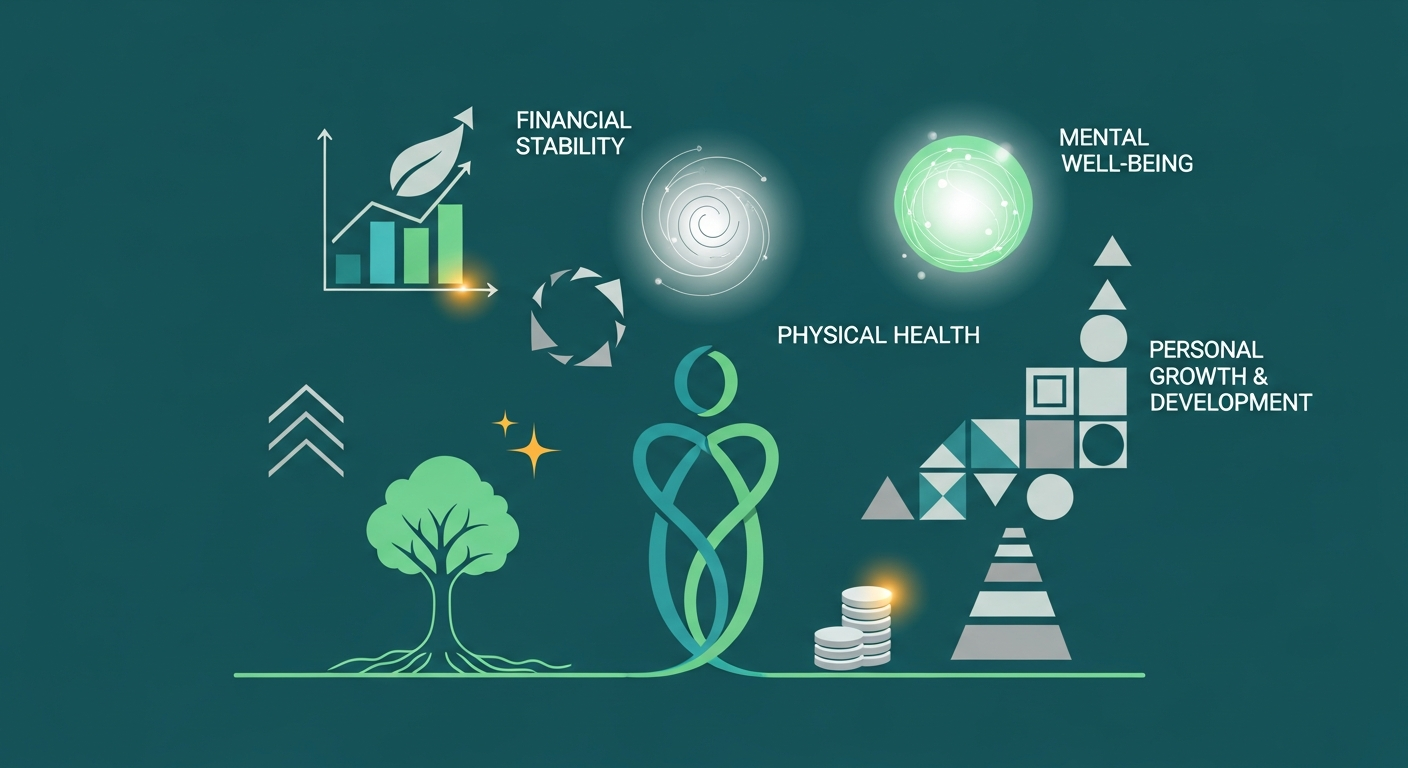
In the fast-paced landscape of 2026, the definition of success has undergone a radical transformation. For the modern young professional, climbing the corporate ladder is no longer the sole metric of achievement. Instead, a new paradigm has emerged: holistic wellness. This approach recognizes that your career, your bank account, your mental health, and your physical vitality are all deeply interconnected. You cannot excel in a high-pressure boardroom if you are running on three hours of sleep and chronic financial anxiety. Holistic wellness is the strategic integration of self-care, financial literacy, and professional boundary-setting. It is about building a life that feels as good on the inside as it looks on LinkedIn. As we navigate the complexities of the mid-2020s, prioritizing a 360-degree view of health is not just a luxury—it is the ultimate competitive advantage for those looking to build a sustainable and fulfilling future.
The Foundation of Holistic Wellness: Integrating Mind and Body
For many young adults, the initial years of a career are characterized by “hustle culture.” However, by 2026, the narrative has shifted toward sustainable productivity. The foundation of holistic wellness begins with the understanding that your brain is a biological organ that requires specific inputs to function at its peak. This means moving beyond the occasional yoga class and integrating movement and mindfulness into the fabric of your workday.
Physical wellness for the young professional involves functional movement. Long hours at a desk or behind a screen lead to postural issues and “tech neck.” Incorporating micro-workouts—short, five-minute stretches or bodyweight exercises every hour—can significantly boost cognitive function and reduce cortisol levels. Furthermore, the link between gut health and mental clarity is more established than ever. Prioritizing whole foods over processed “convenience” snacks during office hours prevents the insulin spikes and crashes that lead to afternoon brain fog.
Mindfulness, too, has evolved. It is no longer just about meditation; it is about “attentional control.” In an era of constant notifications, the ability to focus on a single task is a superpower. Young professionals who practice mindfulness are better equipped to handle workplace stressors, navigate interpersonal conflicts with emotional intelligence, and maintain a sense of calm amidst tight deadlines.
Financial Wellness: Why Your Bank Account is a Health Metric
In the context of holistic wellness, financial health is often the “missing piece.” You can eat organic kale and meditate daily, but if you are drowning in student debt or living paycheck to paycheck, your nervous system will remain in a state of high alert. Financial wellness is the practice of aligning your spending with your values and creating a safety net that allows for mental peace.
As we move through 2026, financial literacy is recognized as a core life skill for young adults. This involves more than just “saving money.” It requires a sophisticated understanding of budgeting, investing, and debt management. A holistic approach to finances means:
1. **The Emergency Fund as Stress Relief:** Having three to six months of expenses saved is not just a fiscal goal; it is a psychological barrier against burnout. It provides the “freedom to leave” a toxic work environment.
2. **Conscious Spending:** Moving away from impulsive consumerism toward investments that improve quality of life, such as ergonomic home office equipment or skill-based certifications.
3. **Automated Wealth Building:** Utilizing technology to automate savings and investments, reducing “decision fatigue” and ensuring long-term security without daily micromanagement.
When your finances are in order, your capacity to focus on professional growth and personal hobbies expands. Financial stability is the floor upon which the rest of your wellness is built.
Mastering Digital Boundaries and the Art of Deep Work
The “always-on” culture of the early 2020s led to unprecedented levels of burnout. By 2026, the most successful young professionals are those who have mastered digital boundaries. Holistic wellness requires a proactive defense of your time and mental energy. The proliferation of remote and hybrid work has blurred the lines between the “office” and the “home,” making it essential to create physical and digital partitions.
Mastering “Deep Work”—a term coined by Cal Newport but more relevant than ever in 2026—is essential. This involves scheduling blocks of time where you are completely disconnected from email, Slack, and social media to focus on high-value tasks. This practice not only increases your professional output but also protects your brain from the fragmented attention spans caused by constant digital “pings.”
Setting boundaries also means reclaiming your evenings and weekends. Young professionals are increasingly adopting “digital sunsets,” where all work-related devices are powered down at a specific time. This allows the nervous system to transition from a state of “doing” to a state of “being,” which is crucial for deep, restorative sleep. By valuing your time, you teach your employers and colleagues to value it as well.
Building a Social Ecosystem: Networking vs. Real Connection
Human beings are inherently social creatures, yet the loneliness epidemic remains a challenge for young adults moving into 2026. A holistic approach to wellness must include the cultivation of a robust social ecosystem. There is a vital distinction to be made between professional networking and genuine human connection.
While networking is necessary for career advancement, it often feels transactional and can be draining. Conversely, “social wellness” comes from deep, non-transactional relationships—friends, family, and community groups who value you for who you are, not what you do. For young professionals who may have relocated for work, building this community requires intentionality.
To foster a healthy social ecosystem, consider:
* **The “Third Place”:** Finding a physical location outside of work and home (like a climbing gym, a book club, or a community garden) where you can interact with a diverse group of people.
* **Mentorship and Peer Support:** Seeking out mentors who prioritize balance and joining peer groups where you can discuss the challenges of “adulting” and career growth openly.
* **Quality over Quantity:** In 2026, the trend is moving away from massive social media followings toward smaller, “intimate” digital and physical circles that provide actual emotional support.
Life Skills for the Modern Era: Nutrition, Sleep, and “Adulting”
The transition from student life to a professional career often reveals gaps in “life skills.” Holistic wellness involves mastering the logistics of daily life so they don’t become sources of chronic stress. This is often referred to as “adulting,” and in 2026, it is seen as a foundational element of mental health.
**Nutrition and Meal Prepping:**
Eating well on a budget and a tight schedule is a skill. Holistic wellness encourages meal prepping not just for physical health, but to reduce decision fatigue. Knowing what you will eat for lunch on Tuesday prevents the mid-day slump and the financial drain of daily takeout.
**The Sanctity of Sleep:**
Sleep is the ultimate performance enhancer. Young professionals often sacrifice sleep to gain more hours in the day, but by 2026, the data is clear: sleep deprivation mimics the effects of alcohol on the brain. A holistic routine prioritizes 7–9 hours of quality sleep, utilizing tools like blackout curtains, cooling mattresses, and magnesium supplementation to optimize recovery.
**Environmental Wellness:**
Your physical environment impacts your mental state. A cluttered, disorganized living space leads to a cluttered mind. Learning basic home maintenance, keeping a clean workspace, and even incorporating houseplants can improve air quality and mood. These small “life skills” create a sanctuary where you can recharge from the demands of your career.
Preventing Burnout through Strategic Rest and Hobbies
The greatest threat to a young professional’s trajectory is burnout. In 2026, we understand that burnout isn’t just about working too much; it’s about a lack of recovery. Holistic wellness advocates for “strategic rest”—the idea that rest is an active, necessary part of the work cycle, not a reward for finishing it.
Strategic rest includes taking your full vacation time, but it also includes daily “unproductive” hobbies. Engaging in activities where there is no “output” or “metric of success”—such as painting, hiking, playing an instrument, or gardening—allows the brain to enter a “flow state” that is disconnected from professional pressure.
Furthermore, young professionals are increasingly looking at “career longevity.” Instead of sprinting for five years and crashing, they are adopting a marathon runner’s pace. This means recognizing the signs of chronic stress early—such as irritability, insomnia, or a cynical attitude toward work—and adjusting your workload or self-care routine before a full-scale burnout occurs. In 2026, taking a “wellness day” is seen as a sign of high emotional intelligence and professional responsibility, not weakness.
Frequently Asked Questions (FAQ)
#
1. What exactly is “holistic wellness” for a professional?
Holistic wellness is an integrated approach to health that considers all aspects of a person’s life—physical, mental, emotional, financial, and social. For a professional, it means ensuring that your career goals do not come at the expense of your health or personal relationships, recognizing that all these areas influence each other.
#
2. How can I improve my financial wellness if I have high student debt?
Start by creating a clear map of your finances. In 2026, many tools exist to help automate debt repayment while still allowing you to build an emergency fund. Focus on “financial transparency” with yourself—knowing exactly where your money goes reduces the “fear of the unknown,” which is a major stressor.
#
3. I work in a high-pressure industry; is it really possible to set boundaries?
Yes, but it requires “selective transparency.” Communicate your peak productivity hours to your team and use status indicators to show when you are in “Deep Work” mode. Often, setting boundaries early in your tenure at a company establishes a culture of respect for your time.
#
4. Why are “life skills” considered part of wellness?
Because life skills reduce friction. When you know how to cook a healthy meal, manage your taxes, and maintain a clean home, you reduce the “background noise” of stress in your life. This leaves more mental energy available for your career and your passions.
#
5. Is holistic wellness expensive?
Actually, many aspects of holistic wellness are cost-saving. Meal prepping is cheaper than takeout; walking or home workouts are cheaper than boutique gym memberships; and digital detoxing is free. The most valuable parts of wellness—sleep, boundaries, and community—require time and intention rather than a large budget.
Conclusion: Designing Your Future in 2026
As we look toward the remainder of 2026, it is clear that the most successful young professionals will not be those who work the longest hours, but those who manage their energy most effectively. Holistic wellness is the blueprint for this new era of achievement. By integrating physical health, mental clarity, financial stability, and meaningful social connections, you create a resilient foundation that can withstand the inevitable ups and downs of a modern career.
The journey toward holistic wellness is not about achieving perfection in every category; it is about awareness and incremental improvement. It is about choosing to go for a walk when you’re stressed, opting to save for the future instead of overspending today, and having the courage to turn off your laptop at 6:00 PM. In the end, your greatest asset is yourself. By investing in your holistic well-being today, you are ensuring a prosperous, balanced, and vibrant life for decades to come. Success is a marathon, and holistic wellness is the training program that ensures you not only cross the finish line but enjoy the race along the way.