Understanding Your Personal Brand’s Foundation
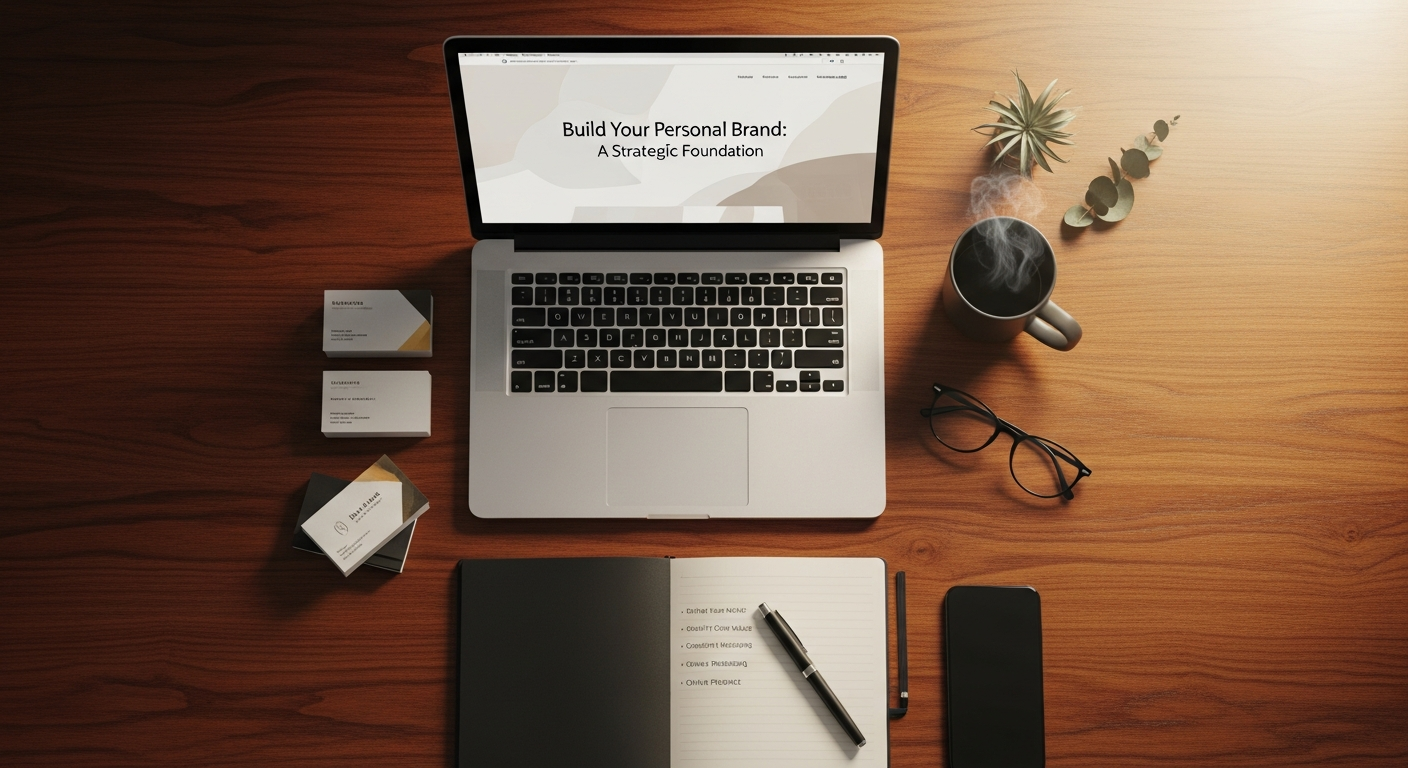
Before you can effectively communicate your personal brand to the world, you must first understand its core components. This foundational stage involves deep introspection and a clear articulation of who you are, what you stand for, and what unique value you bring to the table. Think of this as the essential groundwork, much like a business performing a thorough market analysis before launching a new product. Without a solid understanding of your internal strengths and external perceptions, any branding effort will lack authenticity and direction.
Self-Assessment: Discovering Your Core Identity
The journey begins with a comprehensive self-assessment. Ask yourself probing questions: What are my core values? What am I passionate about? What skills do I possess that truly differentiate me? What experiences have shaped my perspective and expertise? Consider both your technical competencies and your soft skills, such as leadership, problem-solving, and communication. It’s helpful to solicit feedback from trusted colleagues, mentors, and even friends, as they often see strengths and qualities in you that you might overlook. A 360-degree view can be incredibly enlightening, providing insights into your impact on others and areas where your personal brand already shines. This stage is critical for laying an authentic foundation, ensuring that the brand you build is genuinely reflective of your true self, rather than an artificial construct.
Identifying Your Niche and Expertise
Once you have a clear picture of your internal assets, the next step is to identify your professional niche. What specific problems do you solve? For whom do you solve them? In today’s specialized world, attempting to be everything to everyone often results in being nothing to anyone. Pinpointing a specific area of expertise allows you to focus your efforts and become a recognized authority. This doesn’t mean limiting your potential, but rather concentrating your initial branding efforts to gain traction. For instance, instead of being a “general marketer,” perhaps you specialize in “B2B SaaS content strategy” or “digital transformation for manufacturing.” This specificity makes you memorable and positions you as a go-to expert. Understanding your niche also directly relates to how to improve employee productivity. When you are clearly branded within your organization for a specific expertise, you are more likely to be assigned tasks and projects that align with your strengths, thereby maximizing your personal productivity and contributing more effectively to team goals. A well-defined niche helps you avoid scattering your energy across too many unrelated tasks, allowing you to concentrate on high-impact activities where your personal brand can truly excel and make a difference.
Defining Your Purpose and Vision
Beyond skills and niche, your personal brand needs a compelling purpose and a clear vision for the future. What impact do you want to make? What legacy do you aspire to leave? Your purpose acts as the guiding star for all your branding activities, ensuring consistency and authenticity. A strong vision for 2026 might involve becoming a thought leader in AI ethics, pioneering sustainable business practices, or revolutionizing customer experience in a specific sector. This forward-looking perspective not only motivates you but also provides a compelling narrative for others to rally around. It articulates not just what you do, but why you do it, and where you are headed. This deeper understanding forms the bedrock upon which all subsequent branding efforts will stand, making your personal brand not just about what you offer, but also about the meaningful difference you aim to create in your professional world.
Crafting Your Unique Value Proposition
With a solid understanding of your foundation, the next crucial step in how to build a personal brand for career success is to craft a clear and compelling unique value proposition (UVP). This is your elevator pitch, your tagline, and the concise answer to the question, “Why should someone choose to work with me, hire me, or follow me?” A well-defined UVP cuts through the noise, instantly communicating your distinct benefits to your target audience. It’s not enough to simply know your strengths; you must be able to articulate them in a way that resonates with the needs and aspirations of others, positioning yourself as the ideal solution or collaborator.
Developing Your Brand Statement and Narrative
Your brand statement is a succinct summary of what you do, who you help, and the unique benefit you provide. It should be memorable, impactful, and consistent across all your professional platforms. For example, instead of “I’m a marketing manager,” consider “I help B2B technology companies scale their lead generation by developing data-driven content strategies.” This statement clearly defines your role, target audience, and specific value. Beyond a single statement, develop a broader narrative—a story that weaves together your experiences, skills, and passions into a cohesive and engaging account. People connect with stories, and a compelling narrative can make your personal brand far more relatable and memorable than a mere list of qualifications. This narrative should naturally convey your expertise and your unique approach to problem-solving, making you stand out in a sea of qualified professionals.
Identifying Your Target Audience
Just as any business needs to know its ideal customer, you need to identify your ideal audience for your personal brand. Are you looking to attract potential employers, clients, collaborators, industry peers, or mentees? Each audience segment will have different needs, pain points, and preferences. Understanding who you’re trying to reach will inform every aspect of your branding strategy, from the platforms you choose to the tone of your communication. For instance, if you’re targeting C-suite executives, your content and language will be different than if you’re aiming to connect with early-career professionals. Tailoring your message ensures maximum impact and relevance, making your brand more effective in attracting the right opportunities and connections. Consider what kind of conversations your target audience is having and where they are having them, so you can strategically place your brand message within those contexts.
Ensuring Consistency Across All Platforms
Consistency is the cornerstone of a strong personal brand. Your UVP, brand statement, and narrative must be uniformly represented across all your professional touchpoints. This includes your LinkedIn profile, personal website, resume, professional bios, email signature, and even your in-person interactions. Inconsistency can confuse your audience and dilute your message, undermining the trust and credibility you’re trying to build. Regularly audit your online presence to ensure that your messaging, visual elements (like profile photos and banners), and tone are aligned. This meticulous approach reinforces your identity and makes your brand instantly recognizable and reliable. Think of it as maintaining brand guidelines for yourself, much like a corporate brand manager ensures consistency across all company communications. This disciplined approach is essential for long-term brand equity.
Connecting Personal Brand to B2B Sales Funnel Principles
The principles of crafting a strong unique value proposition for your personal brand are strikingly similar to how to build a B2B sales funnel. In a B2B sales funnel, the top-of-funnel (TOFU) content aims to attract a broad audience by addressing common pain points and offering valuable insights, establishing trust and authority. Similarly, your personal brand’s UVP acts as the initial attractor, drawing in opportunities and connections by clearly articulating the value you bring. Just as a B2B company refines its messaging to convert prospects through the middle (MOFU) and bottom (BOFU) of the funnel, you must continuously refine your personal brand’s narrative to convert interest into concrete career opportunities. Your professional network, your content, and your interactions are all touchpoints within your personal career funnel. A clear UVP ensures that when potential employers or clients encounter your brand, they immediately understand your relevance and are compelled to learn more, effectively moving them further down your personal opportunity funnel. This strategic alignment ensures that every aspect of your personal brand is geared towards attracting and converting the right professional engagements, making your career trajectory more predictable and successful.
Strategic Content Creation and Distribution
Becoming a Thought Leader Through Content
To establish yourself as an authority, you need to consistently create and share valuable content that reflects your expertise and addresses the interests of your target audience. This can take many forms:
- Blog Posts and Articles: Write about industry trends, best practices, case studies, or your unique perspectives on challenging topics. Publishing on platforms like LinkedIn Pulse, Medium, or your personal website helps establish your voice.
- Presentations and Webinars: Speaking at industry conferences, local meetups, or hosting online webinars positions you as an expert and allows for direct engagement.
- Podcasts: Hosting or being a guest on podcasts offers an auditory channel to share your insights and reach a new audience.
- Video Content: Short, informative videos on LinkedIn or YouTube can be highly engaging and demonstrate your communication skills.
The key is to offer genuine value, providing insights, solutions, or unique perspectives that educate, inspire, or challenge your audience. This approach not only showcases your knowledge but also cultivates a loyal following and strengthens your reputation over time. Remember, the goal is not just to talk, but to spark meaningful conversations and contribute to your industry’s collective knowledge base.
Choosing the Right Platforms for Distribution
Creating great content is only half the battle; effective distribution is equally crucial. You need to be where your target audience is. For most professionals, LinkedIn is an indispensable platform for sharing articles, updates, and engaging with peers. Other relevant platforms might include industry-specific forums, professional associations, Twitter for real-time commentary, or even a dedicated personal website that serves as your central hub. Consider the demographics and preferences of your audience when selecting your channels. For instance, if you’re in a highly visual industry, Instagram or Behance might be more appropriate. A diversified distribution strategy ensures your message reaches a wider, yet targeted, audience, maximizing the impact of your content efforts. It’s about being strategic with your time and resources, focusing on platforms that yield the highest return on your personal branding investment.
Quality Over Quantity and Visual Branding
While consistency is important, the quality of your content should always take precedence over sheer volume. A few well-researched, insightful pieces will do more for your brand than a barrage of superficial updates. Dedicate time to crafting compelling headlines, clear arguments, and actionable takeaways. Furthermore, don’t underestimate the power of visual branding. A professional headshot, a consistent color palette on your personal website, and well-designed graphics for your content all contribute to a cohesive and polished personal brand. Visuals create an immediate impression and reinforce your professionalism. They help in making your brand memorable and easily identifiable across different platforms, ensuring that your message is not only heard but also seen and remembered in a positive light. This attention to detail reflects a commitment to excellence that enhances your overall brand perception.
Leveraging Business Process Outsourcing for Brand Focus
For many professionals and entrepreneurs, the demands of daily work can leave little time for dedicated personal branding activities like content creation and distribution. This is where understanding what is Business Process Outsourcing (BPO) can offer a strategic advantage. While personal branding is inherently personal, certain aspects of content creation, such as graphic design, video editing, social media scheduling, or even initial research for articles, can be effectively outsourced. By delegating these time-consuming, yet crucial, tasks to external specialists through BPO, you free up your valuable time to focus on the core intellectual work: developing unique insights, crafting compelling narratives, and engaging directly with your audience. This strategic delegation allows you to concentrate on your highest-value contributions, ensuring that your personal brand content remains high-quality and consistent, without overwhelming your schedule. BPO enables you to amplify your branding efforts, allowing you to maintain a robust online presence and thought leadership without sacrificing efficiency in your primary professional responsibilities. It’s about working smarter, not harder, to build and maintain your influential personal brand.
Nurturing Your Network and Building Relationships
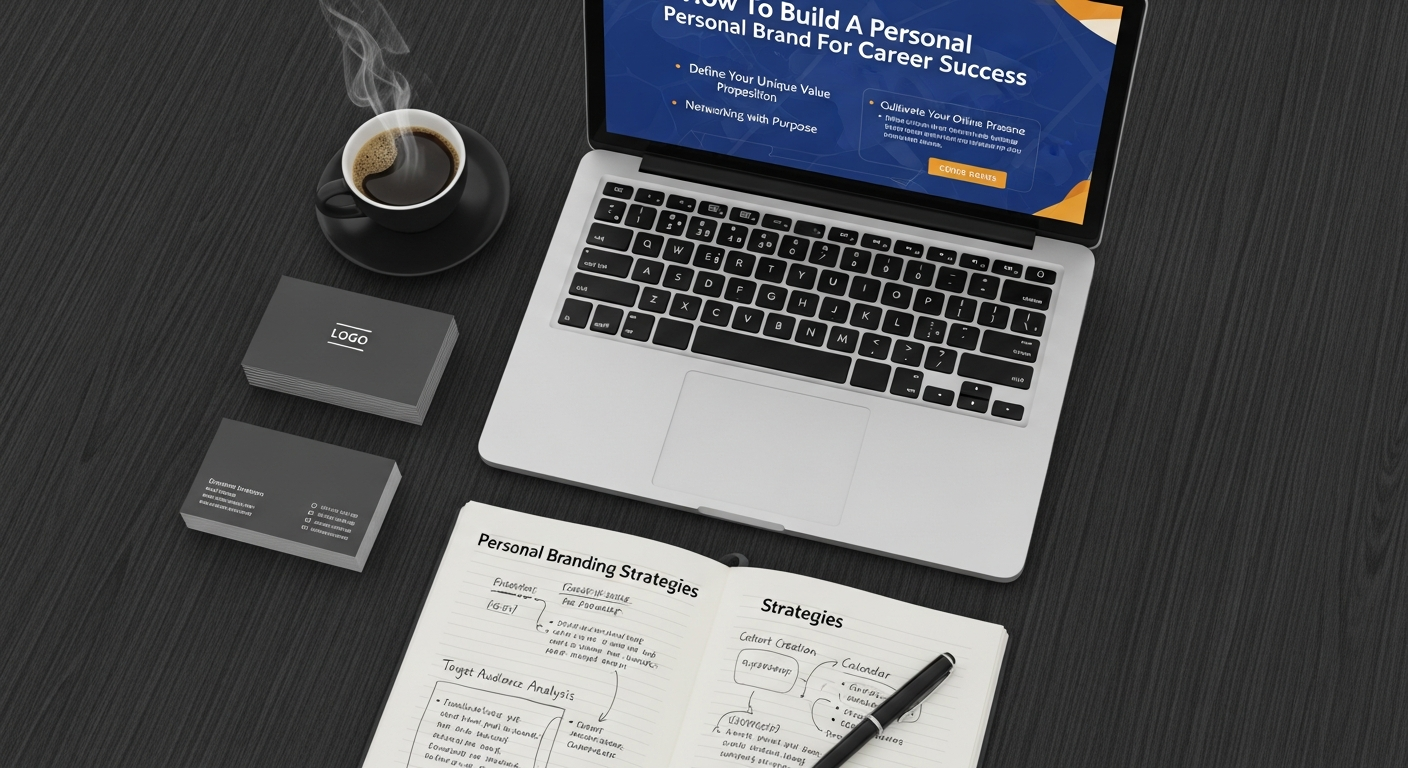
Building a strong personal brand extends far beyond what you publish online; it’s deeply rooted in the relationships you cultivate and the network you nurture. In the journey of how to build a personal brand for career success, genuine human connection often proves to be the most powerful accelerator. Your network isn’t just a list of contacts; it’s a vibrant ecosystem of support, opportunities, and mutual growth. Engaging authentically with others not only expands your reach but also solidifies your reputation as a valuable and trusted professional, creating advocates for your brand.
Strategic Networking: Quality Over Quantity
Effective networking is not about collecting as many business cards or LinkedIn connections as possible; it’s about building meaningful relationships with individuals who align with your professional goals and values. Identify key influencers, peers, and potential mentors in your industry. Attend relevant conferences, webinars, and local meetups, but approach these events with a mindset of genuine curiosity and a desire to learn and contribute, rather than simply pitching yourself. When connecting online, personalize your messages and refer to specific common interests or shared connections. Remember that networking is a two-way street; be prepared to offer help, share insights, and connect others within your own network. These genuine interactions form the bedrock of a robust and supportive professional community, extending your personal brand’s influence far beyond your direct reach.
The Art of Giving More Than You Take
A truly powerful personal brand is built on generosity and reciprocity. Instead of constantly seeking opportunities or favors, focus on how you can add value to others. Share useful articles, make introductions, offer advice where you have expertise, or provide testimonials for colleagues. When you consistently give without immediate expectation of return, you establish yourself as a helpful, knowledgeable, and generous individual. This builds goodwill and trust, which are invaluable assets for your personal brand. People are more likely to remember and advocate for those who have genuinely supported them. This ethos of giving creates a positive ripple effect, organically attracting opportunities and supporters to your personal brand, reinforcing your image as a collaborative and community-minded professional. It’s an investment in your social capital that pays dividends over time, strengthening your reputation as a valuable member of your professional ecosystem.
Leveraging Mentorship and Sponsorship
Actively seek out mentors who can guide your career path and provide invaluable insights. A mentor can offer objective advice, share lessons learned, and help you navigate complex professional challenges. Equally important, cultivate relationships with sponsors—individuals in positions of influence who are willing to advocate for you, recommend you for opportunities, and actively champion your career progression. These relationships are often born out of mutual respect and a proven track record of your capabilities. Mentors and sponsors not only provide guidance but also act as powerful extensions of your personal brand, vouching for your abilities and character within their own networks. Their endorsement can significantly accelerate your career growth and open doors that might otherwise remain closed, making these relationships a cornerstone of your long-term career success and brand development.
Active Participation in Industry Communities
To further solidify your personal brand and expand your network, actively participate in relevant industry communities, both online and offline. Join professional associations, contribute to online forums, engage in LinkedIn groups, and participate in local industry events. Don’t just lurk; contribute thoughtfully to discussions, share your perspectives, and answer questions. This demonstrates your commitment to your field, keeps you informed about industry trends, and increases your visibility among peers and potential collaborators. Your consistent and insightful contributions build credibility and position you as an engaged and knowledgeable member of your professional community. By becoming an active and respected voice, you naturally amplify your personal brand, making it synonymous with expertise and a collaborative spirit within your chosen domain. This active involvement is a continuous loop of learning, contributing, and connecting, all of which fuel your personal brand’s growth and influence.
Measuring Impact and Adapting Your Brand Strategy
Building a personal brand is not a one-time project; it’s an ongoing process that requires continuous monitoring, evaluation, and adaptation. To ensure your efforts in how to build a personal brand for career success are yielding the desired results, you must regularly measure your impact and be prepared to refine your strategy. Just as businesses track KPIs for their marketing campaigns, you need to track metrics for your personal brand to understand what’s working, what isn’t, and where adjustments are needed. This iterative approach ensures your brand remains relevant, impactful, and aligned with your evolving career aspirations.
Tracking Engagement and Visibility
Quantifying the impact of your personal brand can be done through various metrics. On platforms like LinkedIn, monitor profile views, content engagement (likes, comments, shares), and connection requests. If you have a personal website or blog, track website traffic, bounce rate, and time on page. Beyond digital metrics, consider the frequency of speaking invitations, requests for expert commentary, or direct inquiries about your services or expertise. An increase in these indicators suggests that your brand is gaining traction and resonance. While not every aspect of personal brand can be strictly measured, observing these trends provides valuable insights into your brand’s reach and influence. Consistent growth in these areas indicates a successful strategy, while stagnation or decline signals a need for review.
Soliciting and Acting on Feedback
Objective feedback is invaluable for refining your personal brand. Proactively ask trusted colleagues, mentors, and even clients for their honest opinions on how you are perceived. Questions like “What do you think are my greatest strengths?” or “How could I better communicate my value?” can provide critical insights. Be open to constructive criticism and view it as an opportunity for growth, not a personal attack. This feedback loop is essential for identifying blind spots, correcting misperceptions, and ensuring your brand message is consistently landing as intended. Acting on feedback demonstrates your professionalism and commitment to continuous improvement, further strengthening your brand’s authenticity and trustworthiness. It shows that you are not only open to learning but also proactive in shaping your professional identity to maximize its effectiveness.
Staying Current with Industry Trends and Refining Your Message
The professional landscape is constantly evolving, and your personal brand must evolve with it. Regularly research industry trends, emerging technologies, and shifts in demand. What was highly relevant in 2024 might be less so in 2026. Stay curious, read widely, and engage in continuous learning. This proactive approach ensures your expertise remains cutting-edge and your personal brand stays fresh and relevant. If you notice a significant shift in your industry, be prepared to refine your brand message, update your skills, and adapt your content strategy accordingly. This agility is a hallmark of a robust personal brand, allowing you to pivot when necessary and seize new opportunities as they arise, keeping your brand at the forefront of your field. This adaptability is particularly crucial in fast-paced sectors where innovation dictates success.
Connecting Measurement to Employee Productivity
The process of measuring and adapting your personal brand strategy has a direct correlation with how to improve employee productivity. A well-defined and continuously refined personal brand helps you to understand your strengths and weaknesses better, allowing you to seek out roles and projects where you can be most impactful and efficient. By tracking the success of your brand, you gain insights into which activities yield the highest professional return, enabling you to focus your energy on tasks that align with your unique value proposition. This self-awareness and strategic focus prevent time wasted on misaligned efforts, thereby significantly boosting your personal productivity. When an employee is clear about their brand and its value, they are more likely to pursue and excel in initiatives that maximize their contribution to the organization, making them a highly productive and invaluable asset. This clarity also helps in delegating tasks or seeking support for areas outside your core brand, much like a business optimizes processes to improve overall productivity.
Sustaining Your Personal Brand for Long-Term Growth
Building a powerful personal brand is an ongoing journey, not a destination. To truly maximize its impact for sustained career success, especially looking towards 2026 and beyond, you must focus on strategies for long-term maintenance and growth. A strong personal brand is a living entity that requires consistent nourishment, protection, and evolution. This final stage in how to build a personal brand for career success emphasizes the importance of authenticity, reputation management, and continuous learning to ensure your professional identity remains resilient and influential over time.
Consistency and Authenticity as Cornerstones
The bedrock of a sustainable personal brand is unwavering consistency and authenticity. Your brand should always reflect your true self, your genuine values, and your actual capabilities. Inconsistency in your message or behavior can quickly erode trust and damage your reputation. Authenticity means being true to who you are, even as you evolve professionally. Don’t try to be someone you’re not for the sake of a perceived ideal. People connect with genuine individuals, and your unique personality is a powerful differentiator. Maintaining a consistent voice, tone, and presence across all platforms and interactions reinforces your brand identity and builds long-term credibility. This unwavering commitment to your authentic self ensures that your personal brand is not only impactful but also sustainable, as it is built on a foundation of truth and integrity.
Protecting Your Online Reputation
In the digital age, your online reputation is intrinsically linked to your personal brand. Proactively monitor what is being said about you online. Set up Google Alerts for your name, regularly review your social media profiles, and address any inaccuracies or negative comments professionally and promptly. Remember that once something is online, it’s very difficult to remove completely. Therefore, exercise caution in what you post and share, ensuring it always aligns with your professional image and values. A single misstep can take years to recover from. Cultivating a positive online presence also involves actively contributing valuable content and engaging respectfully with others, effectively pushing down any less desirable search results. Protecting your reputation is a continuous vigilance that safeguards the equity you’ve built in your personal brand, ensuring it remains a positive force for your career advancement.
Continuous Learning and Skill Development
To keep your personal brand vibrant and relevant, you must commit to lifelong learning and continuous skill development. The world changes rapidly, and what makes you an expert today might be outdated tomorrow. Invest in courses, certifications, workshops, and self-study to expand your knowledge base and acquire new competencies. Staying at the forefront of your industry demonstrates your intellectual curiosity and adaptability—qualities that are highly valued by employers and collaborators. As you gain new skills and insights, integrate them into your personal brand narrative, showcasing your evolving expertise. This commitment to growth ensures that your personal brand remains dynamic, valuable, and future-proof, positioning you as a forward-thinking professional well-equipped for the challenges and opportunities of 2026 and beyond. It’s about not just keeping up, but leading the way in your professional domain.
Sustaining Personal Brand through B2B Sales Funnel Principles
The long-term sustainability of your personal brand can be effectively understood through the lens of how to build a B2B sales funnel. Just as a B2B sales funnel requires continuous lead generation, nurturing, and conversion to ensure a steady pipeline of business, your personal brand needs ongoing effort to attract, engage, and convert career opportunities. Consistency in content creation and networking (top of funnel) ensures a steady stream of new connections and visibility. Building strong relationships and providing value (middle of funnel) converts interest into trust and advocacy. Finally, demonstrating your expertise and delivering results (bottom of funnel) leads to successful career opportunities and a strong reputation that fosters repeat engagements and referrals. By consistently applying these principles, your personal brand acts as a robust, self-sustaining mechanism that generates a continuous flow of professional growth opportunities. This strategic, funnel-based thinking ensures that your efforts are not only impactful in the short term but also contribute to a resilient and flourishing career trajectory over many years, maintaining a strong professional pipeline and ensuring your brand remains top-of-mind for key opportunities.
Frequently Asked Questions
Recommended Resources
Related reading: How To Build Confidence As A Leader (AssetBar).
Check out Debt Snowball Vs Debt Avalanche Method on Trading Costs for a deeper dive.