Understanding the Essence of Brand Identity for B2B Success
Before embarking on the journey of creation, it’s crucial to grasp what brand identity truly entails, especially within the B2B context. Often, terms like “brand,” “branding,” and “brand identity” are used interchangeably, but they represent distinct facets of your company’s market presence. Your brand is the overarching perception of your company in the minds of your customers, employees, and stakeholders – it’s the sum total of all experiences and associations. Branding is the strategic process of shaping that perception through various marketing and communication efforts. Brand identity, however, is the tangible and intangible collection of elements that your business creates to portray the right image to its audience. It’s the visual, verbal, and experiential framework that communicates your brand’s personality and values.
For B2B businesses, a strong brand identity is not just about aesthetics; it’s a strategic asset that underpins every facet of operations, from lead generation to client retention. Unlike B2C where emotional appeal often drives purchasing decisions, B2B transactions are typically characterized by longer sales cycles, multiple decision-makers, and a greater emphasis on logic, ROI, and reliability. Therefore, your brand identity must effectively communicate professionalism, trustworthiness, expertise, and a consistent value proposition. It needs to build confidence and mitigate perceived risk for potential clients. A well-defined identity helps your business stand out from competitors, making it easier for prospects to recognize and remember you. It provides clarity internally, aligning your team around a shared purpose, and externally, ensuring a consistent message across all touchpoints. In a world where business relationships are increasingly digital and global, a clear and compelling brand identity serves as a critical differentiator, fostering credibility and establishing a foundation for enduring partnerships.
Consider the impact of a poorly defined brand identity: confusion among prospects, inconsistent messaging from sales teams, and a general lack of recognition in the market. Conversely, a strong identity simplifies decision-making for buyers, as your unique value proposition becomes immediately apparent. It fosters a sense of authenticity and reliability, crucial factors for B2B purchasing committees. Furthermore, a clear brand identity can significantly influence your talent acquisition efforts, attracting employees who resonate with your company’s values and mission. This internal alignment is critical for maintaining service quality and innovation, directly contributing to How To Improve Employee Productivity, as employees who feel connected to a meaningful brand are more engaged and motivated. Therefore, investing in a robust brand identity is not merely a marketing expense; it is a fundamental investment in the long-term viability and growth of your B2B enterprise.
The Foundational Pillars: Core Values, Mission, and Vision

The bedrock of any strong brand identity is a clearly articulated set of core values, a compelling mission statement, and an inspiring vision for the future. These foundational pillars are not mere corporate platitudes; they are the guiding principles that define your organization’s purpose, beliefs, and aspirations. They inform every strategic decision, shape your company culture, and ultimately, dictate how your brand is perceived both internally and externally. Without a clear understanding and articulation of these elements, any subsequent branding efforts will lack authenticity and coherence, resulting in an identity that feels superficial or inconsistent.
Core Values: These are the fundamental beliefs and principles that guide your organization’s behavior and decision-making. They represent what your company stands for, what it believes in, and how it conducts itself. For a B2B business, values might include integrity, innovation, customer-centricity, collaboration, or accountability. Identifying your core values requires introspection and honest assessment. Ask: What principles are non-negotiable? What defines our ideal client relationships? How do we want our employees to interact with each other and with clients? Once defined, these values should be embedded into every aspect of your operations, from product development to customer service. When employees genuinely embody these values, it naturally leads to How To Improve Employee Productivity, as a shared ethical framework reduces internal friction, clarifies expectations, and fosters a more cohesive and purpose-driven work environment.
Mission Statement: Your mission statement concisely defines your company’s purpose, outlining what it does, for whom it does it, and the unique value it provides. It’s your raison d’être, providing a clear declaration of your current activities and objectives. For example, a B2B SaaS company’s mission might be: “To empower small and medium-sized businesses with intuitive, scalable cloud solutions that streamline operations and accelerate growth.” A strong mission statement is actionable, focused, and communicates your core business function clearly. It acts as an internal compass, guiding strategic decisions and resource allocation, ensuring that all efforts align with the company’s primary purpose.
Vision Statement: While the mission defines the present, the vision statement paints a picture of the future you aspire to create. It’s an inspirational declaration of your long-term goals and the impact you aim to have on your industry or the world. A vision statement should be ambitious, forward-looking, and motivating. For the aforementioned SaaS company, their vision might be: “To be the leading global provider of accessible cloud technology, enabling businesses worldwide to achieve their full potential.” The vision statement provides direction and inspires employees and stakeholders to work towards a common, aspirational future. It gives meaning to the daily tasks and challenges, reinforcing the bigger picture and fostering a sense of collective purpose.
Together, these foundational pillars provide the strategic framework for your brand identity. They ensure that your brand is built on substance and purpose, not just superficial aesthetics. When these elements are clearly articulated and consistently communicated, they create an authentic and resilient identity that resonates with both internal teams and external audiences, forming the bedrock upon which all other branding efforts are built. They are the true north for your brand, guiding its evolution and ensuring its relevance in the dynamic B2B market.
Crafting Your Visual and Verbal Identity
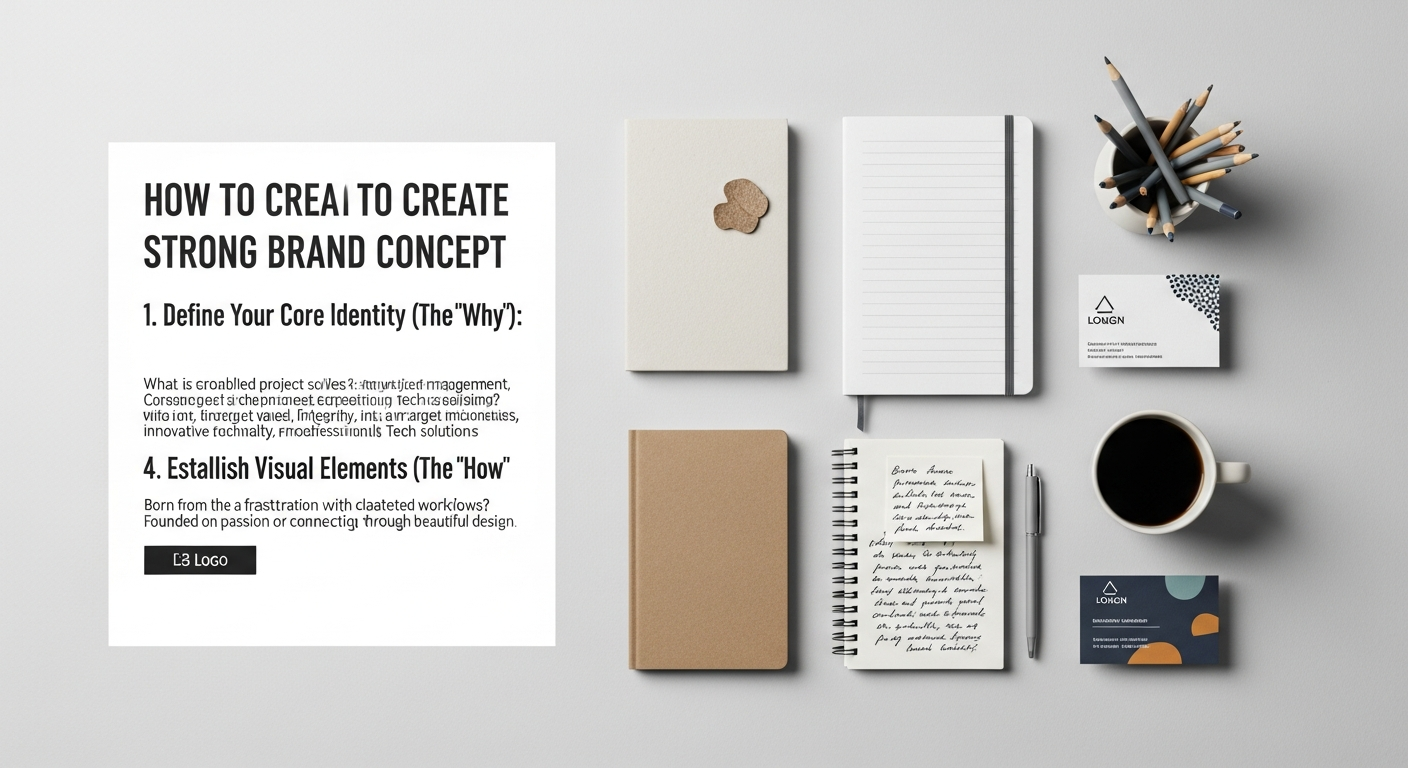
Visual Identity: This encompasses all the aesthetic elements that represent your brand. It’s often the first impression you make and plays a crucial role in recall and recognition. Key components include:
- Logo: The cornerstone of your visual identity, a well-designed logo should be unique, memorable, versatile, and timeless. It should subtly or overtly reflect your industry, values, and brand personality. For a B2B company, it typically conveys professionalism, reliability, and innovation rather than playful whimsy.
- Color Palette: Colors evoke emotions and associations. A carefully chosen palette should align with your brand’s personality and industry. Blues often convey trust and stability (common in finance/tech), greens suggest growth and sustainability, while warmer tones might imply approachability or energy. Consistency in color usage across all materials is vital for brand recognition.
- Typography: The fonts you choose convey specific feelings and professionalism. Serif fonts (like Times New Roman) often suggest tradition and authority, while sans-serif fonts (like Arial or Helvetica) project modernity and clarity. A strong brand typically selects a primary and secondary font family that is legible, distinctive, and consistent with its overall message.
- Imagery and Iconography: This includes the style of photography, illustrations, and icons used in your marketing materials. Are your images corporate and serious, or more dynamic and innovative? Do you use custom illustrations or stock photography? The visual style must be consistent and reflect your brand’s personality and values.
- Brand Style Guide: A comprehensive document that outlines the correct usage of all visual elements. This ensures consistency across all internal and external communications, regardless of who is creating the material. It covers logo usage, color codes, typography rules, imagery guidelines, and more.
Verbal Identity: This refers to the language and tone of voice your brand uses in all its communications. It’s how your brand “speaks” and it’s just as important as how it looks. Key components include:
- Brand Voice and Tone: Is your brand voice authoritative, approachable, innovative, educational, or professional? The tone may shift slightly depending on the context (e.g., a formal white paper vs. a social media post), but the underlying voice should remain consistent. For B2B, a voice that conveys expertise, reliability, and a problem-solving approach is often effective.
- Messaging Framework: This defines your core messages, value propositions, and key differentiators. What are the essential things you want your audience to know about your business? This framework ensures that everyone in your organization, from sales to marketing, communicates a unified and compelling message.
- Storytelling: B2B buyers are still human and respond to compelling narratives. How do you tell your company’s story? How do you articulate your clients’ challenges and your solutions in a way that resonates? Effective storytelling can humanize your brand and build stronger emotional connections, even in a B2B context.
- Terminology and Glossary: Establishing consistent terminology for your products, services, and industry-specific concepts helps create clarity and professionalism. Avoid jargon where possible, or if necessary, ensure it’s used consistently and explained.
The synergy between your visual and verbal identity is what truly brings your brand to life. They must work in harmony, reinforcing each other to create a cohesive and memorable brand experience. For instance, if your visual identity is sleek and modern, your verbal identity should avoid overly formal or archaic language. This holistic approach ensures that every interaction a prospect has with your brand, whether through a website, a sales presentation, or a marketing email, reinforces the same consistent message and impression. In 2026, where digital interactions often precede personal ones, a meticulously crafted visual and verbal identity is non-negotiable for establishing credibility and fostering trust.
Building Brand Cohesion Through Internal Alignment

A strong brand identity is not merely an external facade; it is a deeply ingrained organizational philosophy that must be lived and breathed by every individual within the company. Internal alignment is the critical bridge between your articulated brand identity and its consistent, authentic delivery to the marketplace. Without a cohesive internal understanding and commitment to the brand, even the most brilliantly designed visual and verbal elements will fall flat, leading to inconsistent customer experiences and a diluted brand message. This internal cohesion is fundamentally linked to How To Improve Employee Productivity, as a clearly understood and embraced brand identity provides direction, fosters engagement, and instills a sense of shared purpose among employees.
The journey to internal alignment begins with comprehensive employee buy-in. It’s not enough to simply announce the brand identity; employees at all levels must understand its significance, how it translates into their daily roles, and how their actions contribute to its manifestation. This requires:
- Education and Training: Conduct workshops and training sessions that delve into the brand’s core values, mission, vision, and the specifics of its visual and verbal identity. Explain why these elements matter and how they should be applied. For customer-facing roles, this might include training on brand-aligned communication styles or problem-solving approaches. For product development, it means understanding how the brand’s promise influences design and functionality.
- Leadership by Example: Brand alignment must start at the top. Senior leadership must consistently embody the brand’s values and communicate its message authentically. Their commitment sets the tone and demonstrates the importance of the brand to the entire organization.
- Internal Communication Strategy: Develop an ongoing internal communication plan that reinforces brand messages. Use internal newsletters, intranet portals, team meetings, and town halls to celebrate brand successes, share customer feedback, and reiterate the brand’s purpose.
- Culture as a Brand Asset: Your company culture is a living embodiment of your brand. If your brand promises innovation, your culture should encourage experimentation and learning from failure. If it promises exceptional customer service, your culture should empower employees to go above and beyond. A strong, brand-aligned culture naturally fosters higher employee morale and engagement, which directly contributes to enhanced productivity. Employees who identify with their company’s brand are more likely to be motivated, perform better, and act as brand ambassadors.
- Recruitment and Onboarding: Integrate your brand identity into your talent acquisition process. Hire individuals whose personal values align with your company’s core values. During onboarding, immerse new hires in the brand story and expectations from day one, ensuring they understand their role in upholding the brand’s promise.
- Feedback Mechanisms: Establish channels for employees to provide feedback on brand implementation. This not only empowers them but also helps identify areas where alignment might be faltering or where further support is needed.
When employees are aligned with the brand, they become powerful advocates. They deliver consistent experiences, articulate the brand’s value proposition accurately, and contribute to a positive brand perception in every interaction. This internal harmony translates into external strength, as clients encounter a unified, authentic, and reliable brand at every touchpoint. In essence, internal alignment transforms your brand from a marketing concept into an operational reality, making it a powerful engine for both employee productivity and overall business success.
Strategic Communication: Bringing Your Brand to Life (Inbound vs. Outbound)
With your foundational pillars and internal alignment firmly in place, the next crucial step is to strategically communicate your brand identity to your target audience. This involves leveraging various marketing channels and approaches, thoughtfully considering the distinct philosophies of Inbound Marketing Vs Outbound Marketing to ensure your brand message resonates effectively. Your brand identity acts as the guiding star for all communication efforts, dictating not just what you say, but how you say it, where you say it, and to whom.
Inbound Marketing: Cultivating Connection Through Value
Inbound marketing focuses on attracting customers by creating valuable content and experiences tailored to them. Instead of directly pushing a message, inbound “pulls” prospects in by addressing their needs and pain points. For B2B, this often involves:
- Content Marketing: Creating high-quality, informative blog posts, whitepapers, e-books, case studies, webinars, and videos that demonstrate your expertise and solve your audience’s challenges. Your brand identity dictates the voice, tone, and visual style of this content, ensuring it’s consistent and recognizable.
- SEO (Search Engine Optimization): Optimizing your content to rank high in search engine results, making it easier for prospects actively searching for solutions to find your brand. Your brand identity should inform the keywords you target and the authority you build around specific topics.
- Social Media Marketing: Engaging with your audience on platforms like LinkedIn, Twitter, or industry-specific forums. Your brand’s personality shines through in your social interactions, responses, and the type of content you share.
- Email Marketing: Nurturing leads with personalized and valuable email campaigns. The design, copy, and call-to-actions within these emails must consistently reflect your brand identity.
A strong brand identity is indispensable for inbound marketing. It ensures that all content, regardless of format, speaks with a unified voice and presents a cohesive visual experience. This consistency builds trust and credibility, making your inbound efforts more effective in attracting and converting qualified leads. Prospects who engage with your inbound content are already pre-qualified and more receptive because they are seeking solutions that your brand implicitly promises to provide.
Outbound Marketing: Strategic Reach and Targeted Messaging
Outbound marketing traditionally involves pushing messages out to a broad audience, often with a direct sales objective. While inbound has gained prominence, outbound still holds significant value for B2B, especially when executed strategically and informed by a strong brand identity. Examples include:
- Direct Mail: While less common, targeted direct mail can still be effective for specific niches. Your brand identity ensures the design, messaging, and quality of the mail piece are professional and impactful.
- Cold Calling/Email Outreach: Even in direct outreach, your brand identity should inform the script, value proposition, and professional demeanor of your sales representatives. A clear brand message makes the outreach more compelling and less generic.
- Trade Shows and Events: Your booth design, collateral, presentations, and the demeanor of your staff all reflect your brand identity. Consistency here reinforces your professionalism and expertise.
- Paid Advertising (PPC, Display Ads): Running targeted ads on search engines, social media, or industry websites. Your brand identity dictates the ad copy, visual creative, and landing page experience, ensuring a seamless transition from ad click to engagement.
The key distinction in the Inbound Marketing Vs Outbound Marketing debate is not about choosing one over the other, but understanding how a strong brand identity empowers both. For inbound, it ensures authenticity and builds trust by consistently delivering value. For outbound, it transforms generic outreach into targeted, credible communication. Your brand identity provides the unique selling proposition and the distinct personality that makes your messages, whether “pulled” or “pushed,” stand out in a crowded market. It ensures that every communication touchpoint, regardless of channel, reinforces the same powerful and consistent story of who your business is and the unparalleled value it offers to other businesses.
Leveraging External Partnerships and Outsourcing for Brand Strength
In the complex and rapidly evolving B2B landscape of 2026, even established businesses may find it challenging to maintain every aspect of their brand identity solely with in-house resources. This is where strategic external partnerships and the judicious use of outsourcing become invaluable. Leveraging external expertise can not only fill skill gaps and enhance capabilities but also ensure consistent brand delivery across specialized functions, ultimately reinforcing your brand’s overall strength and reputation. Understanding What Is Business Process Outsourcing and how it aligns with your brand strategy is crucial for scaling effectively and maintaining high standards.
Specialized Agencies and Consultants:
For core branding activities, partnering with specialized agencies can be a game-changer. A brand strategy agency can help refine your core values, mission, and vision, and translate them into a compelling brand narrative. A creative agency can develop your visual identity (logo, color palette, typography) and ensure its consistent application across all marketing collateral. A PR firm can manage your public perception and media relations, ensuring your brand story is told effectively to key stakeholders. These experts bring an objective perspective, deep industry knowledge, and specialized skills that might not be available internally, helping to craft a sophisticated and impactful brand identity from the outset or evolve an existing one.
Business Process Outsourcing (BPO) for Brand Consistency:
What Is Business Process Outsourcing? BPO involves contracting a specific business process or task to a third-party service provider. While often associated with back-office functions like payroll or HR, BPO also extends to customer-facing and brand-critical operations. When integrated thoughtfully, BPO can significantly contribute to maintaining and strengthening your brand identity by ensuring consistent quality and adherence to brand standards across various touchpoints. Consider these applications:
- Customer Service Outsourcing: A strong brand promises a certain level of customer experience. Outsourcing customer support (call centers, chat support, email support) to a reputable BPO provider can ensure that your brand’s voice, tone, and service quality standards are consistently met, even at scale. The outsourced team acts as an extension of your brand, requiring careful training and oversight to embody your values.
- Content Creation Outsourcing: Maintaining a consistent flow of high-quality, brand-aligned content (blog posts, social media updates, whitepapers) is vital for inbound marketing. Outsourcing content creation to agencies or freelance writers who are well-versed in your brand guidelines can ensure your verbal identity remains coherent and your message impactful without overburdening internal teams.
- IT Support and Managed Services: For technology-driven B2B brands, reliable and efficient IT infrastructure is part of the brand promise. Outsourcing IT support ensures that your systems are always running smoothly, preventing downtime that could negatively impact your brand’s reputation for reliability.
- Data Entry and Administrative Tasks: While less direct, accurate and efficient administrative processes contribute to overall operational excellence, which subtly reinforces a brand’s image of professionalism and competence.
The key to successful outsourcing for brand strength lies in meticulous vendor selection, clear service level agreements (SLAs) that incorporate brand guidelines, and ongoing communication and training. The outsourced team must be fully integrated into your brand’s culture and understand their role in upholding its promise. When managed effectively, external partnerships and BPO allow your internal teams to focus on core competencies and strategic growth initiatives, while specialized tasks are handled by experts who can maintain or even elevate your brand’s quality and consistency. This strategic delegation enables scalability, reduces operational costs, and ensures that your brand identity is professionally represented across all essential functions, solidifying its position in the market.
Measuring and Evolving Your Brand Identity in 2026
Creating a strong brand identity is not a one-time project; it’s an ongoing journey of refinement, adaptation, and growth. In the dynamic B2B landscape of 2026, market trends, technological advancements, and evolving customer expectations necessitate a continuous process of measurement, evaluation, and strategic evolution. A proactive approach to monitoring your brand’s health ensures its continued relevance, resonance, and effectiveness in achieving business objectives. Without consistent measurement, even the most robust brand identity risks becoming stagnant or out of sync with its audience.
Key Performance Indicators (KPIs) for Brand Health:
To effectively measure your brand identity, it’s essential to track a combination of quantitative and qualitative metrics. These KPIs provide insights into how your brand is perceived and performing:
- Brand Awareness: Track mentions across media, social media listening, website traffic, and direct search queries for your brand name. Surveys can gauge aided and unaided recall among your target audience.
- Brand Recognition: How easily can your audience identify your logo, colors, or messaging? Consistency across all touchpoints is key here.
- Brand Sentiment/Perception: Monitor online reviews, social media comments, news articles, and conduct sentiment analysis. Qualitative feedback from customer interviews and focus groups can provide deeper insights into how your brand is perceived.
- Brand Loyalty/Advocacy: Measure repeat business, customer retention rates, Net Promoter Score (NPS), and the number of customer testimonials or referrals. Loyal customers are a strong indicator of a positive brand experience.
- Brand Equity: This is the commercial value that your brand adds to your products or services. While complex to quantify, it can be inferred from willingness to pay a premium, market share, and stock performance (for public companies).
- Website and Content Engagement: Metrics like bounce rate, time on page, content downloads, and conversion rates for branded content demonstrate how well your brand messaging resonates.
- Employee Engagement and Retention: As discussed, internal alignment is crucial. High employee engagement and low turnover can signal a strong internal brand that employees are proud to represent, directly linked to How To Improve Employee Productivity.
Feedback Loops and Market Research:
Beyond tracking KPIs, establishing robust feedback loops is vital. Regularly solicit feedback from customers (through surveys, interviews, support interactions), employees (through internal surveys, one-on-ones), and sales teams (who are on the front lines). Conduct periodic market research to understand evolving industry trends, competitor branding strategies, and shifts in your target audience’s needs and preferences. This continuous influx of information provides the intelligence needed to make informed decisions about your brand’s evolution.
Strategic Adaptation and Refinement:
Based on your measurements and feedback, be prepared to adapt and refine your brand identity. This doesn’t necessarily mean a complete overhaul, but rather strategic adjustments to ensure continued relevance:
- Content Strategy Adjustments: If certain content formats or topics are resonating more, lean into them. If your brand voice isn’t connecting, refine it.
- Visual Updates: A brand refresh might involve subtle changes to your color palette, typography, or imagery to keep it modern and fresh without losing core recognition.
- Messaging Evolution: As your products or services evolve, so too should your messaging. Ensure your brand promise accurately reflects your current offerings and future direction.
- Technological Integration: In 2026, consider how AI, VR, or other emerging technologies might impact your brand experience or communication channels. Your brand identity should be adaptable to these new frontiers.
The goal is to maintain a brand identity that is both consistent in its core values and flexible enough to adapt to external changes. By diligently measuring its impact and being willing to evolve strategically, your B2B brand can sustain its strength, relevance, and competitive edge, continuing to build trust and drive growth for years to come.
Frequently Asked Questions
Recommended Resources
Check out Cash Envelope Budgeting Method on Fin3go for a deeper dive.
You might also enjoy How To Save Money On Groceries from Trading Costs.