Navigating Workplace Conflict: The Definitive Guide for 2026 Professionals
Understanding the Modern Conflict Landscape (2026)
The nature of workplace conflict has evolved significantly. The rise of hybrid and remote work models, increased global team collaboration, greater emphasis on diversity and inclusion, and the relentless pace of technological change all contribute to a more intricate conflict environment. What might have been a simple face-to-face disagreement a decade ago can now be amplified by misinterpretations in digital communication, time zone differences, or a lack of non-verbal cues.
Statistics consistently underscore the pervasive impact of workplace conflict. Industry analyses suggest that employees spend an average of 2.8 hours per week dealing with conflict, translating to billions of dollars in lost productivity annually for businesses. Beyond financial costs, unresolved conflict leads to increased stress, higher employee turnover, and a toxic work culture that repels talent.
To effectively address conflict, we must first understand its common forms:
- Task Conflict: Disagreements about the content and goals of the work. This can be productive if managed well, leading to better decisions and innovative solutions.
- Relationship Conflict: Interpersonal incompatibilities, tensions, and animosities among individuals. This type is almost always detrimental and requires careful handling.
- Process Conflict: Disagreements about how work gets done, including roles, responsibilities, and resource allocation. This often stems from unclear expectations or inefficient workflows.
In 2026, the lines between these types can blur, especially in agile environments where roles might be fluid and communication heavily reliant on digital platforms. Recognizing the root cause is the first step toward a targeted and effective resolution.
The Proactive Stance: Building a Conflict-Resilient Culture
The 3 Pillars of Conflict Prevention
- Clear Communication Channels & Expectations: Ambiguity is the breeding ground for conflict. Establish clear, consistent, and redundant communication channels.
- Communication Charters: For teams, create a charter outlining preferred communication methods (e.g., Slack for quick questions, email for formal updates, video calls for complex discussions), response time expectations, and meeting norms.
- Project Briefs & SOWs: Ensure all projects begin with comprehensive briefs or Statements of Work (SOWs) that clearly define objectives, scope, deliverables, timelines, and success metrics.
- Regular Check-ins: Implement consistent 1:1s and team meetings to facilitate open dialogue and catch minor issues before they escalate.
- Defined Roles & Responsibilities: Overlapping or unclear responsibilities are a primary source of process and task conflict.
- RACI Matrix: Utilize a RACI (Responsible, Accountable, Consulted, Informed) matrix for key projects and processes. This clarifies who does what, who makes decisions, and who needs to be kept in the loop.
- Up-to-Date Job Descriptions: Ensure job descriptions accurately reflect current roles and responsibilities, especially in rapidly evolving businesses.
- Team Charters: Beyond communication, team charters can define roles, decision-making processes, and shared values.
- Psychological Safety & Trust: A culture where individuals feel safe to speak up, challenge ideas respectfully, and admit mistakes without fear of retribution is crucial.
- Leadership Modeling: Leaders must visibly demonstrate vulnerability, admit their own errors, and actively solicit feedback.
- Feedback Culture: Promote a culture of constructive, regular feedback, both positive and critical. Implement anonymous feedback tools or regular pulse surveys to gauge team sentiment and identify brewing issues.
- Empathy Training: Invest in workshops that enhance emotional intelligence and empathy, helping employees understand diverse perspectives and reactions.
By investing in these pillars, you build a foundation where minor disagreements can be addressed openly and constructively, preventing them from festering into significant conflicts.
Tactical Approaches to Direct Conflict Resolution (When It Happens)
Despite the best preventative measures, conflict will inevitably arise. When it does, a structured, tactical approach is essential. Here’s a 5-step resolution roadmap designed for clarity and effectiveness.
The 5-Step Resolution Roadmap
- Acknowledge & De-escalate:
- Recognize the Conflict: Don’t ignore it. Early intervention is key.
- Emotional Regulation: Before engaging, ensure you (and ideally, the other party) are calm. If emotions are high, suggest a brief pause and reconvene.
- Initial Empathy: Start by acknowledging the other person’s feelings or the difficulty of the situation. “I can see this is frustrating for you,” or “This seems to be a challenging situation.”
- Define the Problem (Objectively):
- Separate Person from Problem: Focus on the issue, behavior, or process, not on personal attacks or character judgments.
- Gather Facts: What exactly happened? When? Where? Who was involved? Avoid assumptions.
- Use a “Conflict Clarification Worksheet” (Internal Template):
- Your Perspective: Briefly describe the situation from your point of view.
- Observed Behaviors: List specific, factual actions or statements, avoiding interpretations.
- Impact: How did these behaviors affect you, your work, or the team?
- Your Needs/Interests: What do you need to see happen to resolve this?
Encourage the other party to do a similar exercise, even if just mentally.
- Explore Perspectives & Needs:
- Active Listening: Give the other person your full attention. Listen to understand, not just to respond. Paraphrase what you hear to confirm understanding (“So, if I understand correctly, you’re concerned about X because Y?”).
- “I” Statements: When expressing your viewpoint, use “I” statements to own your feelings and perceptions without blaming. “I feel frustrated when [specific action] because [impact],” rather than “You always make me frustrated.”
- Identify Underlying Interests: Go beyond stated positions to uncover the core needs, values, or concerns driving each person’s stance. Often, seemingly opposing positions share common underlying interests.
- Brainstorm Solutions:
- Collaborative Approach: Frame this as “How can we solve this?” rather than “How can you fix this?”
- Generate Multiple Options: Encourage a wide range of solutions, even unconventional ones. Don’t evaluate at this stage.
- Focus on Mutual Gain: Look for solutions that address the key interests of all parties involved, leading to a “win-win” or “win-some, lose-some but acceptable” outcome.
- Agree & Implement:
- Specific Actions: Clearly define what each person will do, by when. Avoid vague commitments.
- Document the Agreement: For significant conflicts, a brief written summary of the agreed-upon actions and next steps can prevent future misunderstandings.
- Follow-up: Schedule a check-in to ensure the agreed-upon solutions are being implemented and are effective. This demonstrates commitment and reinforces positive behavior.
Understanding personal conflict styles can also be immensely helpful. Tools like the Thomas-Kilmann Conflict Mode Instrument (TKI) can illuminate whether you tend to compete, collaborate, compromise, avoid, or accommodate. Recognizing your own style, and being able to adapt it based on the situation and the other party’s style, significantly enhances your resolution capabilities.
The Art of Difficult Conversations: Mastering the Dialogue
Conflict resolution often boils down to having difficult conversations. These are not about confrontation but about constructive dialogue aimed at understanding and finding common ground.
Key Techniques for Productive Difficult Conversations:
- Thorough Preparation:
- Define Your Purpose: What is your desired outcome? What do you want to achieve?
- Gather Your Facts: Be clear on the specific behaviors or incidents you want to discuss.
- Anticipate Their Perspective: What might be their point of view? What are their likely concerns or fears?
- Practice: Mentally rehearse what you want to say, especially your opening.
- Open with a Clear, Non-Confrontational Statement: Frame the conversation around a shared goal or a problem you both can solve. “I’d like to discuss [topic] so we can improve [outcome],” or “I’ve noticed [behavior] and wanted to understand it better so we can work together more effectively.”
- Emphasize Active Listening and Empathy: As discussed in the roadmap, truly listen. Show you’ve heard by summarizing and reflecting feelings. Even if you don’t agree, acknowledge their perspective.
- Focus on Specific Behaviors, Not Personalities: Instead of “You’re always disorganized,” say “I noticed the last three reports were submitted after the deadline, which impacted X.”
- Use “I” Statements Consistently: Maintain ownership of your feelings and observations.
- Be Prepared to Pause or Take a Break: If emotions escalate, suggest taking a 15-minute break and reconvening. “It seems we’re both getting heated. Let’s take a short break and come back to this with fresh minds.”
- Know When to Involve Others: If the conversation isn’t progressing, or if you feel unsafe or unable to reach a resolution, it’s crucial to know when to escalate. This might mean involving a manager, HR, or a neutral third party. Industry data indicates that 49% of conflicts are resolved with help from HR or management, highlighting the importance of knowing when to seek support.
Mastering these techniques transforms difficult conversations from dreaded encounters into opportunities for deeper understanding and stronger professional relationships.
Leveraging External Support & Advanced Strategies
Sometimes, despite best efforts, conflicts persist or are too complex for direct resolution. This is when external support and more advanced strategies become essential.
When and How to Engage Support:
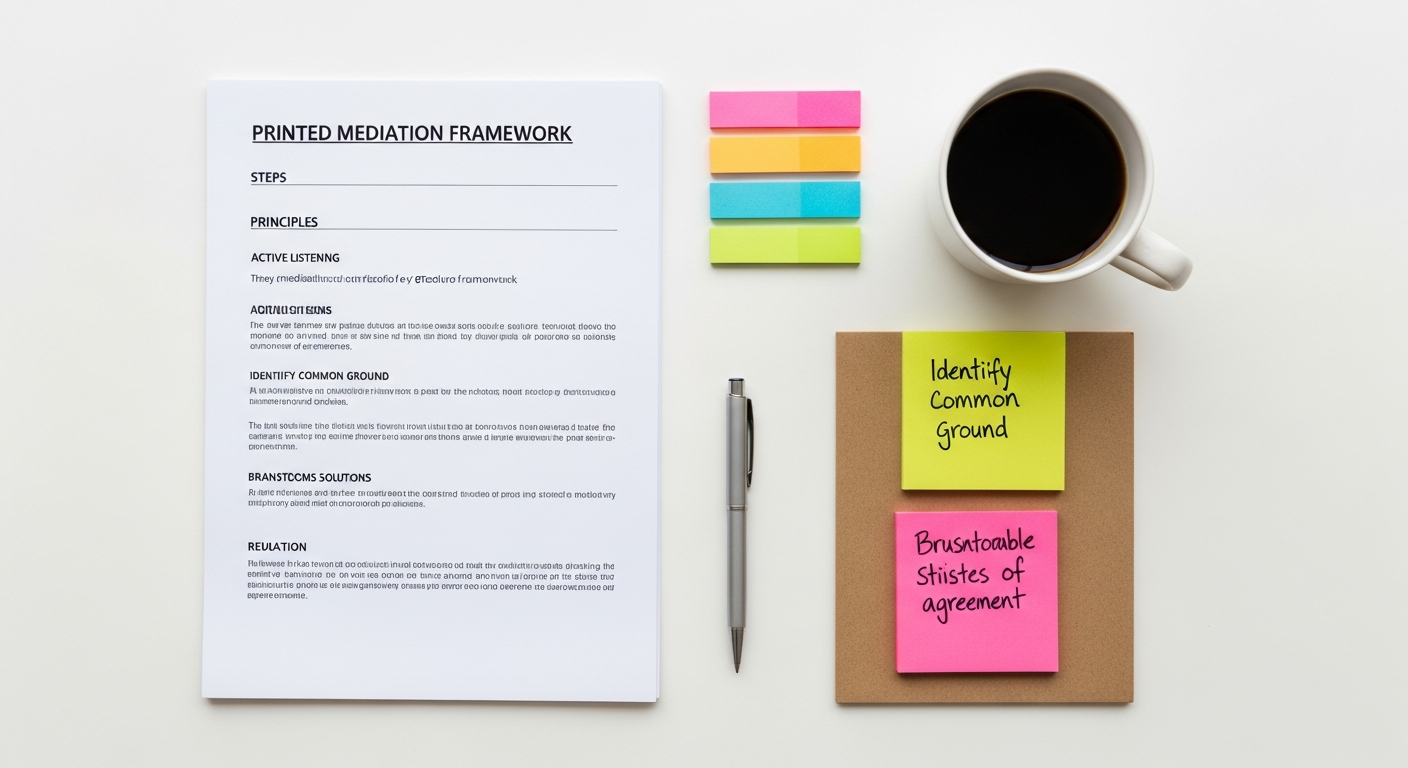
- Mediation:
- Role: A neutral third party (internal HR professional, trained manager, or external mediator) facilitates communication between conflicting parties, helping them reach a mutually acceptable solution. The mediator doesn’t take sides or impose a solution.
- Benefits: Preserves relationships, empowers parties to find their own solutions, and is often more flexible than formal grievance processes.
- When to Use: When direct dialogue has failed, trust is low, or emotions are too high for effective communication.
- HR’s Role:
- Policy Enforcement: HR ensures that company policies and legal guidelines regarding workplace conduct are upheld.
- Formal Grievance Procedures: For serious issues (harassment, discrimination, bullying), HR initiates formal investigations and disciplinary actions.
- Confidentiality & Impartiality: HR acts as a confidential and impartial resource, providing guidance and intervention when necessary.
- Documentation: HR maintains records of conflicts and resolutions, which can be crucial for legal or disciplinary purposes.
- Leadership Intervention:
- Setting Precedents: Leaders may need to step in to clarify expectations, reinforce cultural values, or make executive decisions if a conflict is impacting team performance or strategic goals.
- Modeling Behavior: Effective leaders don’t just resolve conflict; they model healthy conflict engagement and resolution for their teams.
- Conflict Resolution Training: Investing in professional development workshops for your team or organization can significantly improve collective conflict competence. These programs often cover communication skills, negotiation tactics, and emotional intelligence, leading to a more harmonious and productive workforce.
- Technology for Prevention: While not direct resolution tools, advanced communication platforms (e.g., those with sentiment analysis features, robust feedback mechanisms) can help leaders detect early signs of tension or misalignment, allowing for proactive intervention before minor issues escalate.
Knowing when to escalate and how to leverage these resources is a sign of mature professional judgment. It ensures that conflicts are addressed appropriately, preventing them from causing lasting damage to individuals or the organization.
The Post-Conflict Playbook: Learning & Growth
Resolution is not the end; it’s a new beginning. The period following a conflict is crucial for reinforcing positive change and preventing recurrence.
Key Steps in the Post-Conflict Phase:
- Follow-up and Accountability:
- Check-in: As agreed in Step 5 of the resolution roadmap, schedule follow-up meetings to assess if the agreed-upon solutions are working.
- Reinforce Positive Behavior: Acknowledge and praise individuals who are upholding their commitments and demonstrating improved interactions.
- Lessons Learned:
- Debriefing: Conduct a post-mortem, either individually or as a team, to identify the root causes of the conflict and what could have been done differently.
- Process Improvement: Was the conflict a symptom of a systemic issue (e.g., unclear process, resource scarcity, communication gap)? Use the insights to refine policies, processes, or communication strategies.
- Personal Growth: Encourage individuals to reflect on their own contributions to the conflict and their role in the resolution, fostering self-awareness and development.
- Rebuilding Relationships:
- Time and Patience: Healing takes time. Don’t expect immediate restoration of trust.
- Small Gestures: Encourage small, positive interactions to rebuild rapport.
- Focus on Shared Goals: Re-emphasize common objectives that unite the team, shifting focus away from past disagreements.
- Feedback Loops: Integrate conflict resolution lessons into ongoing feedback mechanisms. This ensures continuous learning and adaptation, making the organization more resilient to future disagreements.
Every resolved conflict, when managed thoughtfully, presents an invaluable opportunity for learning, strengthening relationships, and evolving organizational practices. It transforms a potential setback into a catalyst for significant professional and organizational growth.
Conclusion
In the dynamic professional landscape of 2026, workplace conflict remains an unavoidable facet of collaboration and innovation. However, by adopting a proactive mindset, equipping yourself with structured resolution frameworks, mastering the art of difficult conversations, and knowing when to leverage external support, you can transform these challenges into profound opportunities. Effective conflict resolution isn’t merely about problem-solving; it’s about fostering stronger relationships, building more resilient teams, and driving continuous organizational improvement. Embrace these strategies, and you won’t just survive workplace conflicts—you’ll leverage them to propel your career and your business forward with confidence and clarity. The ability to navigate disagreement with grace and efficacy is a hallmark of true professional leadership, and it’s a skill set that will define success in the years to come.