
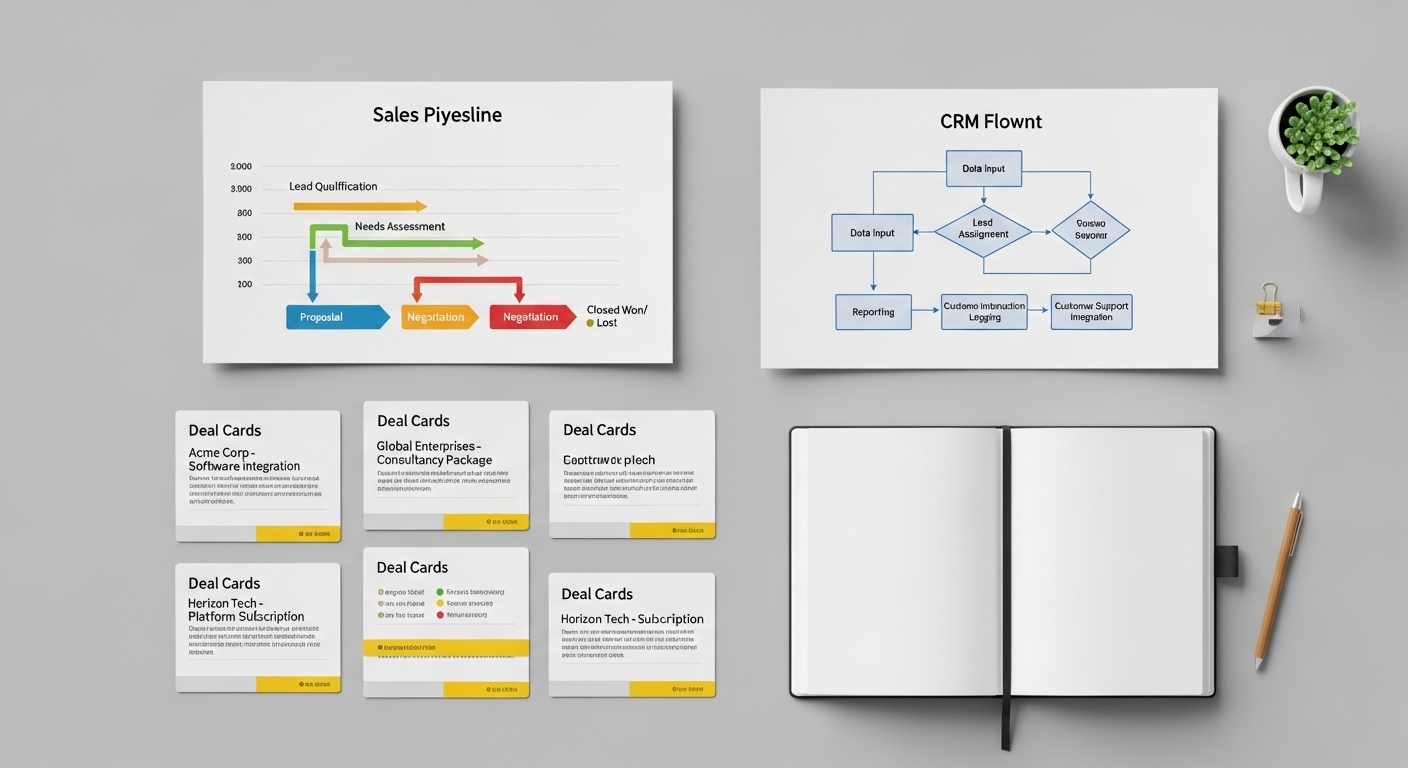
Updated March 2024. The landscape of corporate outreach is in perpetual motion, and for small businesses vying for market share, staying ahead isn’t just an advantage—it’s a necessity. Developing a robust B2B marketing strategy that adapts to these shifts is critical for long-term success. As we look towards 2026, the frameworks that once yielded predictable results are evolving, demanding a more integrated, data-driven, and customer-centric approach. This comprehensive guide is engineered specifically for small business owners and marketing professionals who are ready to cut through the noise and implement robust growth initiatives that drive tangible revenue.
We’ll dissect the core components of modern commercial marketing, from foundational content frameworks and potent lead generation tactics to the efficiencies of automation and the critical importance of measuring your return on investment. Forget fleeting trends; we’re focusing on actionable frameworks, proven methodologies, and the tools that will empower your business to not just compete, but to thrive in the competitive enterprise arena.
TL;DR: Corporate marketing in 2026 demands integrated approaches focusing on content authority, LinkedIn for leads, optimized sales funnels, targeted ABM, and scalable automation. Success hinges on precise execution and rigorous ROI measurement, empowering small businesses to achieve sustainable growth.
The Evolution of Corporate Outreach in 2026
The commercial marketing landscape is a dynamic ecosystem, constantly reshaped by technological advancements, shifting buyer behaviors, and an ever-intensifying competitive environment. For small businesses, understanding these shifts isn’t just academic; it’s fundamental to survival and growth. In 2026, the most effective outreach frameworks are characterized by their agility, personalization, and a deep reliance on data to inform every decision. Gone are the days of one-size-fits-all campaigns; today’s buyers expect relevance and value at every touchpoint.
One of the paramount shifts is the amplified importance of a well-defined Go-to-Market Strategy. Before any promotional activity commences, a clear understanding of your target market, value proposition, and competitive differentiation is non-negotiable. This foundational work ensures that every subsequent effort is aligned with overarching business objectives, preventing wasted resources and maximizing impact. Without a solid GTM, even the most innovative tactics can fall flat.
Furthermore, the convergence of sales and marketing has never been more critical. According to Gartner research on the B2B buying journey, the modern buyer journey is rarely linear, often involving extensive self-education before engaging with a sales representative. This necessitates a seamless handoff and consistent messaging across both departments, fostering a unified customer experience. Businesses that prioritize “smarketing”—the integration of sales and marketing—are consistently outperforming those with siloed operations. This often means shared KPIs, regular communication, and a holistic view of the customer.
Finally, the emphasis on generating high-quality commercial leads has intensified. It’s no longer about sheer volume, but about attracting prospects who are genuinely a good fit for your product or service. This requires a sophisticated approach to B2B lead generation, encompassing everything from targeted content and strategic partnerships to predictive analytics that identify potential buyers. Small businesses must invest in understanding their Ideal Customer Profile (ICP) and craft campaigns that speak directly to their pain points and aspirations. For a deeper dive into the evolving tactics and strategic imperatives, consult our comprehensive B2B Marketing Strategies Guide, which outlines the key trends and actionable frameworks for success in the coming years.
Types of Content Frameworks and When to Apply Them
In the crowded digital landscape of enterprise solutions, content creation is not merely a tactic; it’s the bedrock upon which trust, authority, and ultimately, sales are built. For small businesses, a robust content framework is the most cost-effective way to educate, engage, and convert your target audience, establishing your brand as a thought leader in your specific niche. In 2026, content quality, relevance, and strategic distribution are paramount, moving beyond keyword stuffing to genuinely address buyer pain points and provide actionable solutions.
Effective commercial content goes beyond blog posts. It encompasses a diverse array of formats designed to meet buyers at various stages of their journey. Consider long-form guides and whitepapers for early-stage research, webinars and case studies for mid-funnel consideration, and interactive tools or personalized demos for late-stage decision-making. Furthermore, understanding B2B SEO strategy and best practices is non-negotiable. Your brilliant content won’t be found if it’s not optimized for search engines. This includes strategic keyword research, optimizing meta descriptions, and ensuring your site has a strong technical foundation.
B2B Video Marketing Strategy
Video content continues its explosive growth, offering a dynamic way to explain complex services or showcase product functionality. A dedicated B2B video marketing strategy allows you to humanize your brand, demonstrate software interfaces clearly, and capture attention on platforms like LinkedIn and YouTube. Short-form educational videos and long-form webinars are proving to be highly effective at driving engagement.
B2B Podcast Marketing
Podcasts are also gaining massive traction, allowing businesses to connect with audiences during commutes or other passive listening times. Implementing B2B podcast marketing positions your executives as industry authorities. By interviewing other experts, you naturally expand your network and tap into new audiences.
Expanding Your Reach: PR and Influencers
To amplify your content, consider integrating influencer marketing in B2B and modern PR strategies for B2B. Collaborating with respected industry voices or securing placements in trade publications can exponentially increase the reach and credibility of your foundational content assets.
Measuring the impact of your content is equally crucial. Beyond vanity metrics like page views, focus on engagement rates, lead conversions from content assets, and ultimately, the revenue attributed to your efforts. To truly master this cornerstone of corporate outreach, diving into a structured approach is essential. Our guide on How to Create a B2B Content Marketing Strategy provides a detailed framework for developing, implementing, and optimizing your content efforts for maximum impact.
[INLINE IMAGE 2: Diagram illustrating B2B content marketing strategy flow]
The Science of LinkedIn Lead Generation
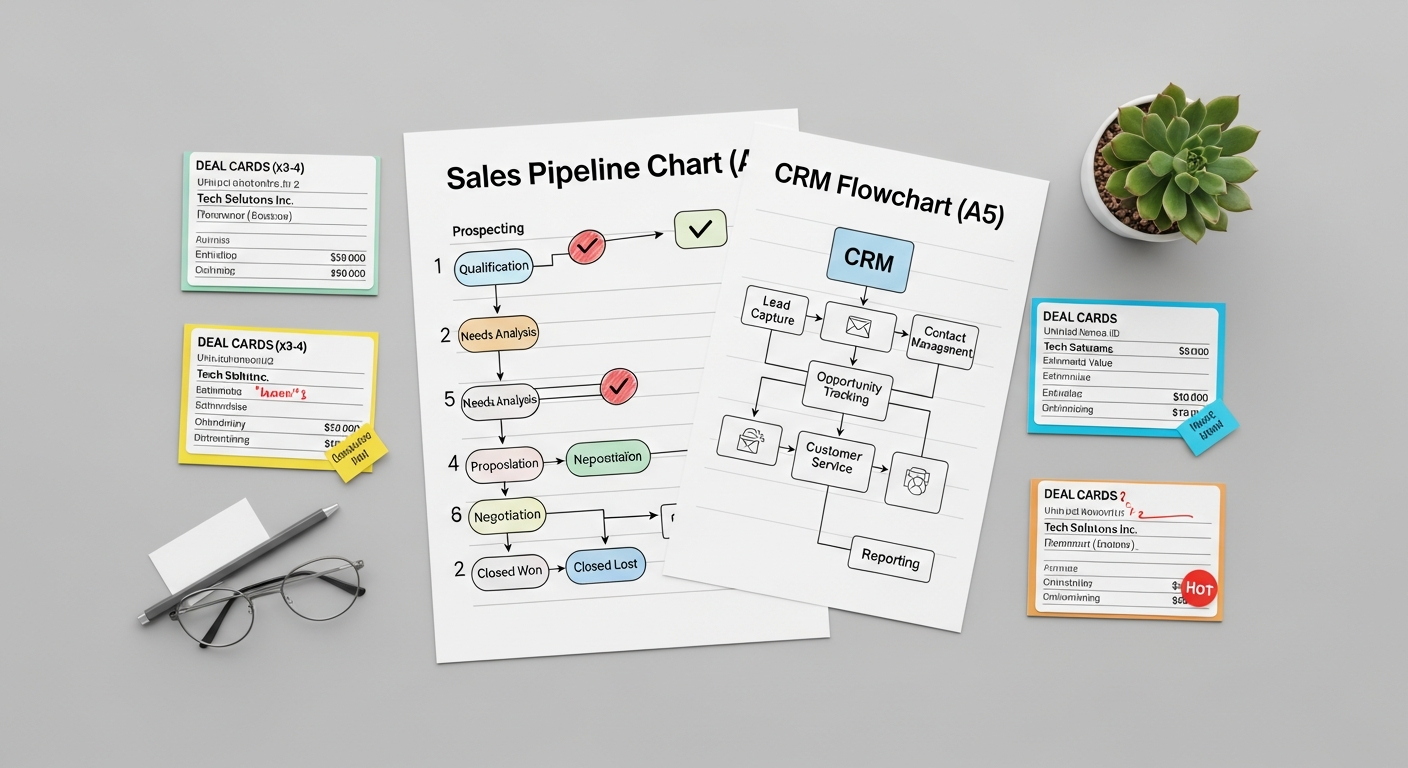
When it comes to professional networking and lead generation, LinkedIn stands head and shoulders above other social platforms. It’s not just a networking site; it’s a professional ecosystem teeming with decision-makers, industry influencers, and potential clients actively seeking solutions and partnerships. For small businesses, mastering LinkedIn is non-negotiable for identifying, connecting with, and nurturing high-value prospects. In 2026, its role as a primary acquisition channel will only continue to amplify, demanding a strategic, multi-faceted approach.
Your company page and individual professional profiles are your digital storefronts. Optimize them with compelling headlines, detailed service descriptions, and clear calls to action. Showcase your expertise through regular, insightful posts that offer value rather than blatant sales pitches. Share industry news, thought leadership articles, and success stories. Engage with comments on your posts and those of others in your target audience to demonstrate your expertise and build rapport. Consistency in content sharing and engagement is key to staying visible and relevant.
Beyond organic reach, LinkedIn offers powerful tools for targeted outreach. Sales Navigator, for instance, allows you to pinpoint prospects based on highly specific criteria like industry, company size, job title, and even seniority level. This precision targeting ensures your outreach efforts are directed at individuals most likely to be interested in your offerings. When reaching out, prioritize personalization. Generic connection requests or InMail messages are easily ignored. Reference a shared connection, a recent post they made, or a common industry challenge to initiate a meaningful conversation.
Building a robust network isn’t just about collecting connections; it’s about cultivating relationships. Participate in relevant LinkedIn Groups, offer advice, and engage in discussions. Position yourself as a resource, not just a vendor. Over time, these interactions build trust and open doors to opportunities that might not be visible through traditional lead generation methods. To fully harness the platform’s potential, explore our guide on How to Use LinkedIn for B2B Lead Generation. For a deeper dive into advanced tactics and best practices, our comprehensive LinkedIn Lead Generation Guide offers an invaluable roadmap to transforming your LinkedIn presence into a consistent source of qualified prospects.
How Do You Build a High-Converting Sales Funnel?
A well-structured commercial sales funnel is the systematic roadmap that guides potential customers from initial awareness of your brand to becoming loyal clients. Unlike the simpler consumer funnel, the enterprise journey is often longer, involves multiple stakeholders, and demands a more nuanced approach at each stage. For small businesses, understanding and optimizing this funnel is critical for predictable revenue growth and efficient resource allocation. In 2026, the emphasis is on creating a frictionless, value-driven experience that anticipates buyer needs and addresses their concerns proactively.
The typical enterprise funnel can be broken down into several key stages: Awareness, Interest, Consideration, Intent, Evaluation, and Purchase. At the Awareness stage, the goal is to attract a broad audience and make them aware of your brand and the problems you solve. This is where content creation, SEO, and social media play a crucial role. As prospects move to Interest and Consideration, they’re actively researching solutions. Here, educational assets like whitepapers, webinars, and case studies become vital, positioning your business as an expert and trusted advisor.
The Intent and Evaluation stages are where prospects begin to seriously consider your specific offerings. This is the time for product demos, free trials, personalized consultations, and detailed proposals. Your sales team plays a more direct role, providing tailored information and addressing specific objections. To ensure a smooth transition here, proper CRM integration for sales and marketing is essential, allowing both teams to view the prospect’s entire interaction history. Additionally, investing in B2B sales training programs ensures your representatives are equipped with the modern negotiation tactics required to close complex deals.
Optimizing each stage of your funnel requires continuous analysis and iteration. Use CRM data to identify bottlenecks, track conversion rates between stages, and understand why prospects drop off. A/B test your messaging, calls to action, and lead nurturing sequences. Implementing robust lead scoring mechanisms can help your sales team prioritize the hottest leads, ensuring they focus their efforts on prospects most likely to convert. For a detailed walkthrough on constructing and refining your buyer’s journey, our essential guide on How to Build a B2B Sales Funnel provides actionable steps and best practices to maximize your conversion rates.
[INLINE IMAGE 4: Visual representation of a B2B sales funnel stages]
Account-Based Marketing Methodologies
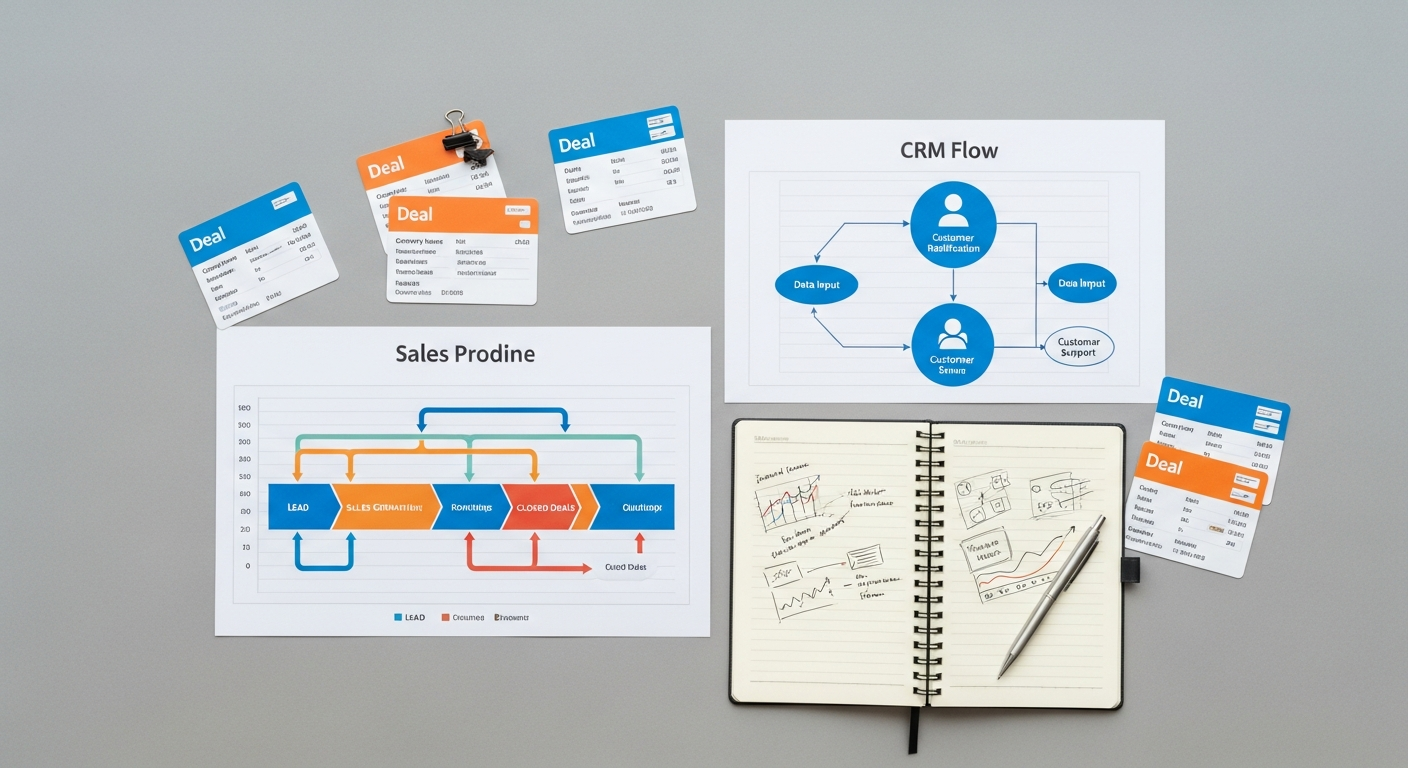
In the traditional promotional model, companies often cast a wide net, generating as many leads as possible and then qualifying them down. Account-Based Marketing (ABM) flips this approach on its head. Instead of marketing to individual leads, ABM focuses on identifying and targeting specific, high-value accounts that are the absolute best fit for your products or services. For small businesses, ABM is not just a strategy for enterprise-level organizations; it’s a powerful methodology to maximize limited resources, shorten sales cycles, and drive significant ROI by concentrating efforts where they matter most.
The core principle of ABM is precision. It begins with defining your Ideal Customer Profile (ICP) with extreme clarity. This isn’t just about industry and company size; it delves into specific technological stacks, revenue ranges, growth trajectories, and even organizational structures that indicate a perfect fit. Once your ICP is established, you then identify specific companies that match this profile. These are your target accounts. The next step involves mapping out the key stakeholders within each target account—decision-makers, influencers, and end-users—to understand their individual pain points and motivations.
With a clear list of target accounts and their key players, ABM shifts to highly personalized, multi-channel engagement. Instead of generic campaigns, you craft bespoke messages, content, and outreach strategies tailored to the unique needs and challenges of each account. This might involve personalized emails, custom landing pages, direct mail, targeted ads on LinkedIn or other platforms, and even executive-level events. The sales and marketing teams work in lockstep, ensuring a unified and consistent experience for the target account, fostering deep relationships rather than transactional interactions.
The benefits for small businesses are profound: higher conversion rates, larger deal sizes, shorter sales cycles, and improved customer lifetime value (CLV). By focusing on quality over quantity, small teams can achieve disproportionate results. While ABM requires a shift in mindset and a commitment to personalization, the return on investment can be substantial. To implement this powerful strategy effectively, a comprehensive understanding is crucial. Our Account-Based Marketing Guide provides a detailed roadmap for identifying, engaging, and converting your most valuable accounts, setting your small business on a path to highly profitable growth.
How Does Marketing Automation Scale Operations?
For small businesses, growth often comes with the challenge of scaling operations without exponentially increasing headcount. This is precisely where marketing automation becomes an indispensable tool. Automation refers to software platforms that streamline, execute, and measure promotional tasks and workflows, allowing businesses to nurture leads, manage campaigns, and personalize customer experiences more efficiently. In 2026, leveraging automation is no longer a luxury but a strategic imperative for competitive advantage, enabling small teams to achieve enterprise-level efficiency.
The primary benefit of automation is its ability to handle repetitive, time-consuming tasks, freeing up your team to focus on strategic initiatives and high-value interactions. Imagine automatically sending welcome emails to new subscribers, scheduling social media posts across multiple platforms, or delivering tailored content to leads based on their engagement history. These are just a few examples of how automation can keep your engine running 24/7 without constant manual intervention. This continuous engagement ensures leads are nurtured effectively, even when your team is occupied with other tasks.
Key areas where automation excels for commercial small businesses include:
- Email Sequences: Automated drip campaigns for lead nurturing, onboarding sequences for new clients, and re-engagement campaigns for dormant contacts.
- Lead Scoring and Nurturing: Assigning scores to leads based on their actions (e.g., website visits, content downloads) and automatically delivering relevant content to move them down the sales funnel.
- Social Media Management: Scheduling posts, monitoring mentions, and analyzing performance across various platforms from a single dashboard.
- Website Personalization: Dynamically displaying content or calls to action based on a visitor’s past behavior or demographic information.
- Reporting and Analytics: Consolidating data from various channels to provide a holistic view of campaign performance and ROI.
While the initial investment in software might seem significant, the long-term gains in efficiency, lead quality, and revenue often far outweigh the costs. It empowers small businesses to provide a consistent, personalized experience to a growing customer base without needing to hire an army of marketers. Choosing the right platform is crucial, as features and pricing can vary widely. To help navigate this decision, review our marketing automation implementation guide and our breakdown of the Best Marketing Automation Tools for B2B to select one that aligns with your specific business needs and budget.
What Are the Best Ways to Measure Marketing ROI?
In the realm of corporate outreach, simply executing campaigns isn’t enough; demonstrating their value and proving their return on investment (ROI) is paramount. For small businesses, where every dollar spent must contribute demonstrably to growth, understanding and measuring ROI is critical for optimizing budgets, justifying expenditures, and making informed strategic decisions. In 2026, the demand for transparent and attributable results will only intensify, requiring robust measurement frameworks and a data-driven mindset.
Measuring ROI begins with clearly defined goals and key performance indicators (KPIs) for every campaign. These shouldn’t be vague; they should be SMART (Specific, Measurable, Achievable, Relevant, Time-bound). For instance, instead of “increase leads,” a SMART goal would be “increase qualified commercial leads by 20% in Q3 through content efforts.” Once goals are set, you need to track the right metrics. These include website traffic, lead conversion rates, cost per lead (CPL), customer acquisition cost (CAC), customer lifetime value (CLV), and the ultimate goal: revenue generated from promotional efforts.
Attribution is often the trickiest part of ROI measurement. In a multi-touch buyer journey, how do you credit a sale to a specific activity? Common attribution models include:
- First-Touch Attribution: Credits the first interaction a prospect had with your brand.
- Last-Touch Attribution: Credits the final interaction before conversion.
- Linear Attribution: Distributes credit equally across all touchpoints in the customer journey.
- Time Decay Attribution: Gives more credit to touchpoints closer to the conversion event.
- U-Shaped or W-Shaped Attribution: Assigns more weight to the first touch, lead creation, and conversion touchpoints, with lesser weight to middle interactions.
For small businesses, starting with a simpler model like last-touch or linear can provide valuable insights before moving to more complex, weighted models. The key is consistency in your chosen model.
Leveraging CRM systems and automation platforms is essential for collecting and consolidating data across various channels. These tools allow you to track lead progression, associate revenue with specific sources, and generate comprehensive reports. Regularly review your performance against your goals, identify underperforming campaigns, and reallocate resources to strategies that deliver the highest ROI. Proving ROI isn’t just about numbers; it’s about telling a story of growth and impact. For a detailed breakdown of methodologies, tools, and best practices to accurately assess your spend, consult our guide on How to Measure Marketing ROI, ensuring your budget is always working its hardest for your small business.
Strategic Takeaways and Method Comparison
To synthesize the core components of a modern corporate growth plan, we have distilled the most critical action items and compared the primary methodologies available to small businesses today.
Key Takeaways for Your 2026 Initiatives
- Adopt an Integrated Approach: Seamlessly connect content, social media, automation, and sales efforts for a cohesive buyer journey.
- Prioritize Personalization: Tailor messages and content to specific accounts and buyer personas, moving beyond generic outreach.
- Leverage LinkedIn Strategically: Utilize its unique professional capabilities for targeted lead generation and authority building.
- Embrace Automation Wisely: Implement tools to scale repetitive tasks, freeing up human resources for strategic initiatives and deep relationship building.
- Measure Everything: Establish clear KPIs and robust attribution models to prove ROI and continuously optimize your spend.
Methodology Comparison Table
| Strategy/Method | Key Benefit for Small Business | Best For | Common Challenge | Scalability |
|---|---|---|---|---|
| Content Creation | Builds long-term authority and organic traffic; cost-effective lead generation. | Educating prospects, building trust, SEO. | Requires consistent effort and high-quality assets; slow initial ROI. | High (evergreen assets, repurposing). |
| LinkedIn Lead Generation | Direct access to decision-makers; highly targeted networking. | Direct outreach, professional networking, thought leadership. | Time-consuming manual outreach; requires strong personal branding. | Medium (can be automated with Sales Navigator, but still needs human touch). |
| Account-Based Marketing (ABM) | Higher conversion rates, larger deal sizes, optimized resource use. | Targeting specific high-value accounts; complex sales cycles. | Requires deep research and highly personalized campaigns; tight sales-marketing alignment. | Medium (focused on quality over quantity, less about broad scale). |
| Marketing Automation | Increases efficiency, personalizes experiences, nurtures leads 24/7. | Streamlining repetitive tasks, lead nurturing, email campaigns. | Initial setup complexity; requires ongoing optimization and content. | High (once set up, can handle vast numbers of leads). |
| Sales Funnel Optimization | Predictable revenue growth; improved conversion rates at each stage. | Converting leads into customers; identifying bottlenecks. | Requires continuous data analysis and A/B testing; alignment with sales process. | High (iterative improvements lead to compounding gains). |
Frequently Asked Questions About Corporate Marketing
Q: How can a small business compete with larger corporations in B2B marketing?
A: Small businesses can compete by focusing on niche markets, hyper-personalization, exceptional customer service, and leveraging agility. While large corporations may have bigger budgets, small businesses can often offer a more tailored, human-centric approach, building stronger relationships. Emphasize your unique value proposition and foster a strong community around your brand.
Q: What’s the most important metric for B2B marketing ROI?
A: While many metrics are important, Customer Acquisition Cost (CAC) combined with Customer Lifetime Value (CLV) provides the most comprehensive view of ROI. CAC tells you how much it costs to acquire a new customer, while CLV indicates the total revenue you expect from that customer over their relationship with your business. A healthy ratio of CLV to CAC (e.g., 3:1 or higher) suggests sustainable growth.
Q: Is cold calling still effective in B2B marketing in 2026?
A: While traditional cold calling has a lower success rate than in the past, highly targeted and personalized outbound outreach still has its place, especially when combined with other strategies like Account-Based Marketing. It’s less about “cold” calling and more about “warm” outreach to carefully selected prospects who fit your ICP, often after some initial digital engagement or research. The key is to provide value, not just pitch.
Q: How often should a small business update its B2B marketing strategy?
A: It isn’t a set-it-and-forget-it task. While core objectives might remain stable, tactics and specific campaigns should be reviewed and adjusted quarterly. A comprehensive strategic review, perhaps annually or bi-annually, is essential to ensure alignment with market shifts, technological advancements, and evolving business goals. The faster your industry changes, the more frequently you should review.
Q: What are the biggest mistakes small businesses make in B2B marketing?
A: Common mistakes include not defining a clear Ideal Customer Profile, failing to align sales and marketing teams, neglecting consistent content creation, ignoring data and analytics for decision-making, and trying to be everything to everyone instead of focusing on a niche. Lack of patience and expecting immediate results from long-term strategies like SEO and content creation is also a frequent pitfall.
Conclusion: Charting Your Course for Success
The journey through the complexities of corporate outreach in 2026 reveals a landscape rich with opportunity for small businesses willing to adapt and innovate. From establishing unwavering authority through strategic content to leveraging the unparalleled power of LinkedIn for lead generation, and from meticulously building sales funnels to harnessing the efficiency of automation, each component plays a vital role in a cohesive, growth-oriented plan. The overarching theme is clear: success in the modern enterprise environment demands precision, personalization, and relentless measurement.
For your small business to not just survive but thrive, it’s imperative to move beyond fragmented tactics and embrace an integrated approach. This means ensuring your content speaks directly to your ideal customer, your lead generation efforts are highly targeted, your sales funnel is optimized for conversion, and your spend is rigorously tracked for ROI. Remember, the goal isn’t just to attract leads, but to cultivate lasting, profitable relationships that drive sustainable growth.
Recommended Next Steps:
- Audit Your Current Strategy: Begin by evaluating your existing efforts against the insights provided in this guide. Identify gaps and areas for immediate improvement.
- Define Your ICP & GTM: Revisit or create a crystal-clear Ideal Customer Profile and refine your Go-to-Market Strategy to ensure all efforts are directed at the most valuable accounts.
- Invest in Content & SEO: Prioritize creating high-quality, problem-solving content and optimize it for search engines to build organic authority and visibility.
- Master LinkedIn: Develop a strategic presence on LinkedIn for both personal branding and targeted lead generation, ensuring your profile acts as a resource rather than just a resume.
Sources & References
- Gartner: The New B2B Buying Journey & Its Implication for Sales
- Content Marketing Institute (CMI): Annual B2B Content Marketing Benchmarks, Budgets, and Trends
- LinkedIn Business: The Sophisticated Marketer’s Guide to B2B Marketing
Reviewed by Marcus Thorne, Director of Demand Generation — Last reviewed: March 2024