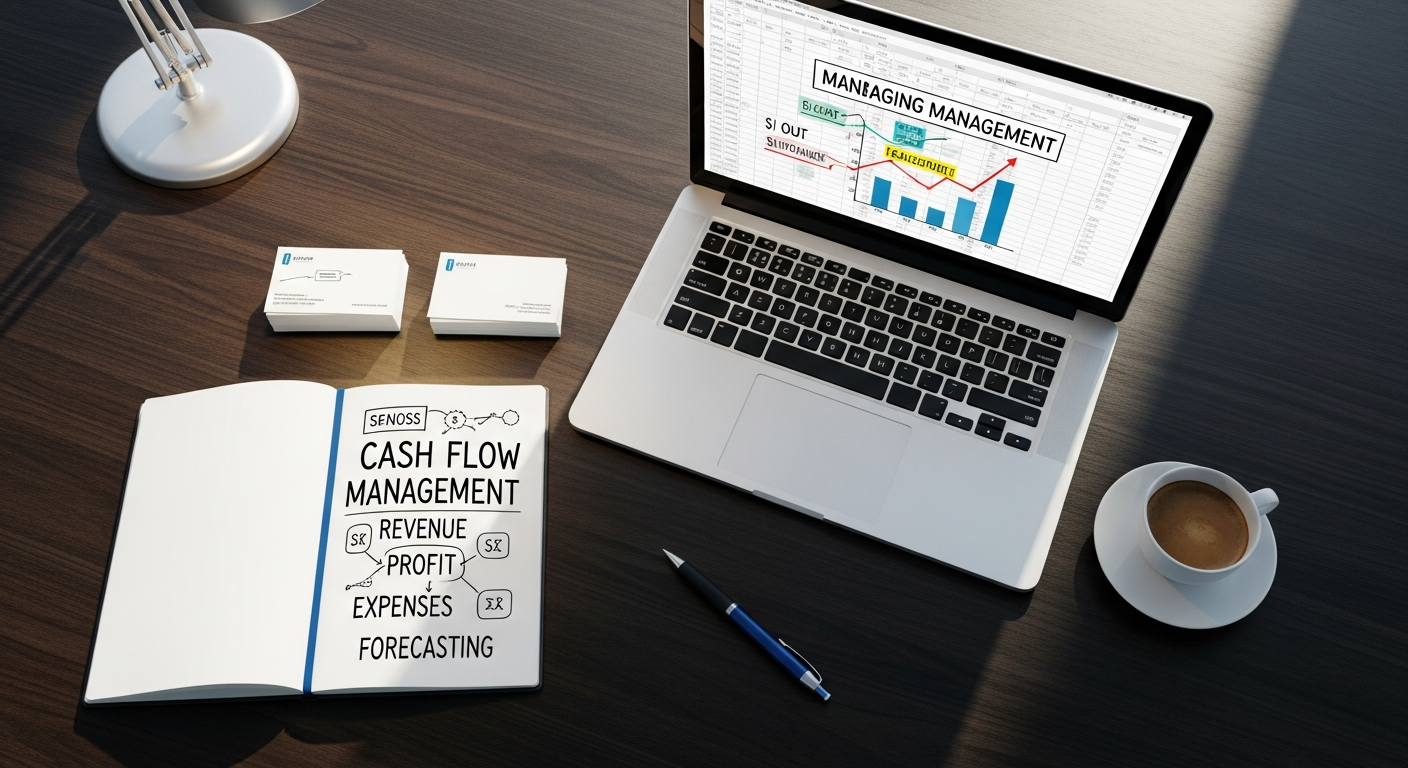
Understanding the Fundamentals of Business Cash Flow
Before diving into management strategies, it’s crucial to grasp the foundational concepts of cash flow. Cash flow represents the net amount of cash and cash equivalents moving into and out of a business. It’s categorized into three main types, each offering a different lens into your company’s financial health:
- Operating Cash Flow (OCF): This is the cash generated from your regular business operations, such as sales of goods and services, and payments made for expenses like salaries, rent, and utilities. A strong OCF indicates that your core business activities are self-sustaining and generating enough cash to cover their costs.
- Investing Cash Flow (ICF): This relates to cash used for or generated from investment activities, such as buying or selling assets (property, plant, equipment), marketable securities, or other businesses. It reflects your long-term growth strategies and capital expenditure.
- Financing Cash Flow (FCF): This category involves cash from or used for debt and equity financing. Examples include issuing new shares, paying dividends, borrowing money, or repaying loans. It shows how a company raises cash from investors and creditors, as well as how it pays them back.
The distinction between profit and cash flow is perhaps the most critical concept for any business owner. Profit, as reported on an income statement, is a measure of financial performance over a period, calculated as revenues minus expenses. However, profit doesn’t necessarily mean cash is in the bank. For instance, sales made on credit contribute to profit but don’t become cash until the customer pays. Similarly, depreciation reduces profit but is a non-cash expense. This is why a business can be profitable on paper but still experience a cash flow crisis if it can’t collect receivables quickly enough or manages its payables poorly. Understanding this difference is the first step in learning how to manage business cash flow effectively, as it dictates the focus of your financial strategies.
A well-prepared cash flow statement provides a clear picture of your liquidity over a specific period. Regularly analyzing this statement helps identify patterns, predict future cash positions, and pinpoint potential issues before they escalate. Early warning signs of cash flow problems might include a consistently negative operating cash flow, frequent delays in paying suppliers, or an increasing reliance on short-term debt to cover operational expenses. Proactive monitoring and analysis are vital components of effective cash flow management.
Proactive Strategies for Optimizing Inflows
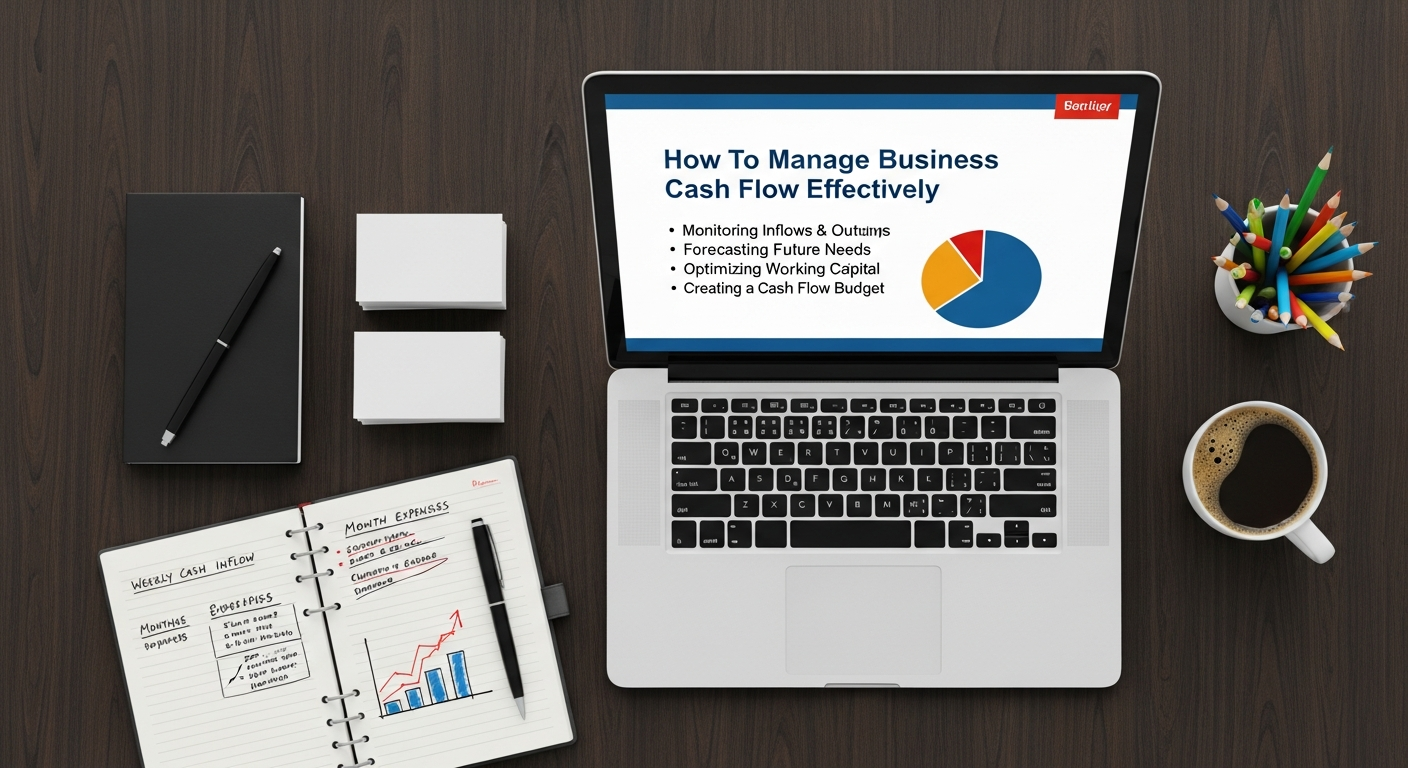
Boosting the cash coming into your business is a cornerstone of robust financial health. While simply increasing sales is an obvious goal, optimizing inflows involves a more nuanced approach that focuses on acceleration, diversification, and strategic pricing. To truly grasp how to manage business cash flow effectively, you must master the art of bringing money in faster and more reliably.
Accelerating Accounts Receivable
- Prompt and Accurate Invoicing: Delays in invoicing translate directly to delays in payment. Implement systems that allow for immediate invoicing upon service completion or product delivery. Ensure all invoices are clear, accurate, and include all necessary details such as payment terms, due dates, and acceptable payment methods.
- Clear and Enforceable Payment Terms: Define your payment terms explicitly (e.g., “Net 30,” “Due on Receipt”). Consider offering early payment discounts (e.g., “2/10 Net 30” – a 2% discount if paid within 10 days, otherwise full amount due in 30) to incentivize faster payments. Conversely, implement late payment penalties, clearly stated in your terms, to discourage procrastination.
- Diligent Follow-Up: Don’t wait until an invoice is overdue to follow up. Send polite reminders a few days before the due date. Once an invoice is overdue, escalate follow-up efforts with phone calls or more direct communications. Consider automating these reminders through your accounting software.
- Diverse Payment Options: Make it as easy as possible for customers to pay you. Offer multiple payment channels, including credit cards, bank transfers, online payment portals, and even mobile payment solutions. The fewer hurdles to payment, the faster you’ll receive your cash.
- Credit Checks: For new clients or large orders, especially in a B2B context, conduct thorough credit checks to assess their ability to pay. This proactive step can prevent significant bad debt issues down the line.
Diversifying Revenue Streams
Relying on a single product, service, or customer segment can create significant cash flow volatility. Diversifying your revenue streams can create a more stable and predictable income flow. This might involve:
- Introducing complementary products or services.
- Expanding into new markets or customer segments.
- Developing subscription models or retainer agreements for recurring revenue.
- Licensing intellectual property.
Optimizing Pricing Strategies
Your pricing strategy directly impacts your revenue and, subsequently, your cash flow. Regularly review your pricing to ensure it reflects the value you provide, covers your costs, and remains competitive. Consider value-based pricing, tiered pricing models, or even dynamic pricing if applicable to your industry. A well-thought-out pricing structure can significantly improve your per-unit cash inflow.
The Role of Marketing in Cash Inflow
Effective marketing is indispensable for driving sales and, by extension, cash inflows. Understanding the nuances of Inbound Marketing Vs Outbound Marketing can help businesses strategically allocate resources to attract and convert customers. Inbound marketing, which includes content marketing, SEO, and social media, focuses on attracting customers by creating valuable content and experiences tailored to them. It’s about earning attention and drawing customers in naturally. Outbound marketing, on the other hand, involves proactively pushing messages out to a broad audience through methods like traditional advertising, cold calls, and email blasts. While both have their place, a balanced approach, often leaning heavily on inbound strategies for long-term, cost-effective lead generation, can lead to more consistent sales pipelines and thus, more predictable cash inflows. A robust marketing strategy ensures a steady stream of leads and conversions, directly contributing to your ability to manage business cash flow effectively.
By implementing these proactive strategies, businesses can significantly improve their cash inflow cycle, reducing reliance on external financing and building a stronger foundation for growth and stability. This proactive stance is key to staying ahead in a competitive market.
Mastering Outflow Management and Cost Control
Strategic Accounts Payable Management
Just as you want to accelerate your receivables, you can strategically manage your payables. This does not mean delaying payments beyond agreed-upon terms, which can damage supplier relationships and credit ratings. Instead, it involves:
- Negotiating Extended Payment Terms: When establishing relationships with suppliers, negotiate for longer payment terms (e.g., Net 45 or Net 60 instead of Net 30) if possible. This extends the period before cash leaves your account.
- Taking Advantage of Payment Discounts: If a supplier offers an early payment discount (e.g., 2% discount for payment within 10 days), evaluate if the savings outweigh the benefit of holding onto the cash longer. Sometimes, the discount can be substantial enough to warrant early payment.
- Payment Scheduling: Create a clear payment schedule and stick to it. Pay bills on their due dates, not necessarily as soon as they arrive, unless an early payment discount is available. This allows you to retain cash for as long as possible.
- Automating Payments: Utilize automated payment systems for recurring bills to avoid late fees, but ensure these are set up to pay on the due date, not prematurely.
Controlling Operational Expenses
Regularly review all your operational expenses to identify areas for reduction or optimization. This might include:
- Vendor Review: Periodically solicit bids from multiple vendors for common services (e.g., internet, utilities, insurance, office supplies) to ensure you’re getting the best rates. Don’t be afraid to renegotiate with existing vendors.
- Subscription Services: Audit all recurring software subscriptions and services. Cancel those that are underutilized or redundant.
- Energy Efficiency: Implement energy-saving measures in your office or facility to reduce utility bills.
- Travel & Entertainment: Establish clear policies for business travel and entertainment, encouraging cost-effective choices without compromising business needs.
- Inventory Management: Overstocking ties up significant capital. Implement just-in-time inventory systems where appropriate, and regularly review inventory turnover to minimize carrying costs and obsolescence. This links closely with effective Supply Chain Management Small Business strategies, which we will elaborate on later.
Strategic Staffing and Resource Utilization
Labor costs are often a business’s largest expense. Managing these effectively is crucial:
- Efficient Scheduling: Optimize employee schedules to match demand, avoiding overstaffing during slow periods.
- Freelancers/Contractors: For project-based or non-core tasks, consider using freelancers or contractors instead of full-time employees to manage fluctuating workloads and reduce overheads like benefits.
- Business Process Outsourcing (BPO): This is where understanding What Is Business Process Outsourcing becomes incredibly valuable. BPO involves delegating specific business functions to a third-party service provider. This can include customer service, HR, accounting, IT support, or data entry. By outsourcing non-core, yet essential, functions, businesses can often achieve significant cost savings due to economies of scale, access specialized expertise without hiring full-time staff, and improve efficiency. For example, outsourcing payroll can reduce the burden on internal administrative staff and minimize errors, freeing up internal resources to focus on core revenue-generating activities. This strategic reallocation of resources directly impacts cash outflow by converting fixed costs into variable ones and optimizing operational efficiency.
By diligently managing outflows and continuously seeking opportunities for cost optimization, businesses can free up valuable cash, improve their liquidity, and gain greater control over their financial destiny. This proactive and strategic approach to spending is fundamental to learning how to manage business cash flow effectively.
Leveraging Technology and Data for Superior Cash Flow Insights
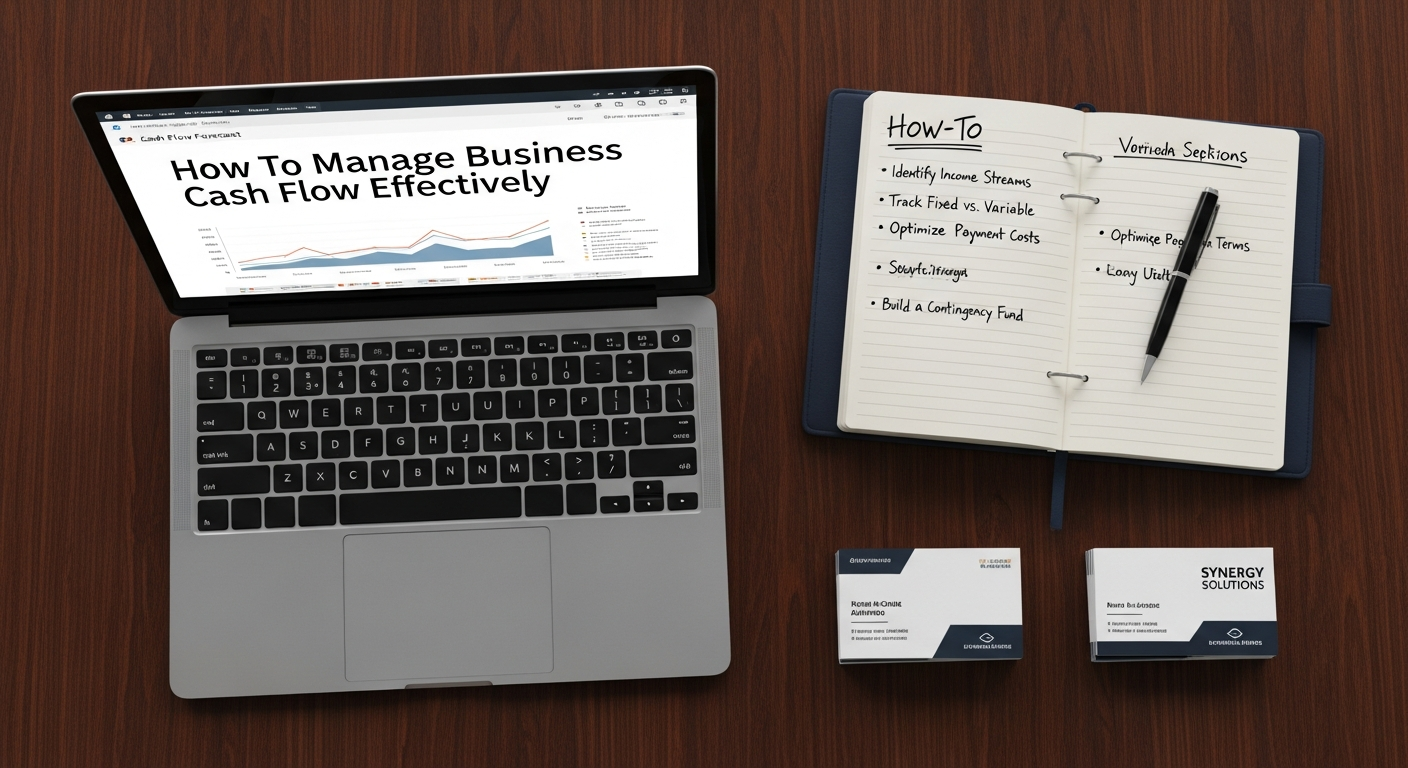
In the modern business landscape, relying solely on manual spreadsheets and reactive financial reporting is no longer sufficient for effective cash flow management. Technology and data analytics offer powerful tools to gain real-time insights, automate processes, and make informed, proactive decisions. For businesses striving to understand how to manage business cash flow effectively in 2026, embracing these digital solutions is non-negotiable.
Cash Flow Forecasting Tools
One of the most critical applications of technology in cash flow management is forecasting. Specialized cash flow forecasting software, or advanced modules within comprehensive accounting systems, can:
- Predict Future Cash Positions: By integrating historical data, current financial transactions, and projected sales/expenses, these tools can provide a clear outlook on your expected cash balance days, weeks, or even months in advance.
- Scenario Planning: Run “what-if” scenarios to understand the impact of various business decisions (e.g., a major investment, a sudden sales drop, or a delay in customer payments) on your cash flow. This allows you to prepare contingency plans.
- Identify Potential Shortfalls: Early identification of potential cash shortages gives you ample time to take corrective action, such as adjusting payment schedules, accelerating collections, or arranging for short-term financing.
Integrated Accounting Software and ERP Systems
Modern accounting software (e.g., QuickBooks, Xero, Sage) and Enterprise Resource Planning (ERP) systems (e.g., SAP, Oracle, Microsoft Dynamics) are central to robust cash flow management. They integrate various financial processes, providing a holistic view of your business:
- Real-time Financial Data: These systems capture every transaction, from sales orders to expense payments, in real time. This eliminates delays and provides an up-to-the-minute picture of your financial standing.
- Automated Reconciliation: Bank reconciliations, often a tedious manual task, can be largely automated, ensuring accuracy and saving time.
- Efficient Invoicing and Accounts Receivable: As discussed, these systems can automate invoice generation, send payment reminders, and track outstanding receivables, significantly improving cash inflow cycles.
- Streamlined Accounts Payable: Manage vendor bills, schedule payments, and track expenses more efficiently, helping you optimize cash outflows.
Dashboards and Real-time Reporting
Beyond raw data, the ability to visualize your financial health through customizable dashboards is invaluable. These dashboards can display key performance indicators (KPIs) related to cash flow, such as:
- Current cash balance
- Accounts receivable aging
- Accounts payable aging
- Operating cash flow trends
- Burn rate
Real-time reporting allows business leaders to monitor these metrics at a glance, identify anomalies, and make quick, data-driven decisions rather than waiting for monthly or quarterly reports.
Benefits of Data-Driven Decisions
Leveraging technology for cash flow management transforms financial decision-making from reactive guesswork to proactive strategy:
- Improved Accuracy: Automation reduces human error in data entry and calculations.
- Enhanced Efficiency: Manual tasks are minimized, freeing up financial personnel for more strategic analysis.
- Better Resource Allocation: With clear insights into cash availability, businesses can make more informed decisions about investments, hiring, and expansion.
- Increased Agility: The ability to quickly adapt to changing market conditions or unexpected financial events is significantly enhanced.
- Stronger Negotiation Power: Understanding your precise cash position can give you leverage in negotiating terms with suppliers or securing favorable financing.
In essence, technology empowers businesses to move beyond simply tracking cash to actively optimizing it. By adopting these tools and embracing a data-centric approach, businesses are better equipped to understand how to manage business cash flow effectively, ensuring stability and paving the way for sustainable growth.
Strategic Planning and Future-Proofing Your Cash Flow
Effective cash flow management extends beyond day-to-day operations; it involves forward-thinking strategic planning to ensure long-term stability and resilience. Future-proofing your cash flow means preparing for unforeseen challenges and positioning your business for sustainable growth. This holistic approach is fundamental to truly master how to manage business cash flow effectively, especially as we look towards 2026 and beyond.
Building a Robust Cash Reserve
An emergency fund or cash reserve is perhaps the most critical component of future-proofing your cash flow. This reserve acts as a buffer against unexpected downturns, major expenses, or delays in receivables. The ideal size of this reserve varies by industry and business model, but a common recommendation is to have enough cash to cover 3-6 months of operating expenses. Building this reserve requires discipline, consistently setting aside a portion of profits, and resisting the temptation to spend it on non-essential items. It provides peace of mind and the flexibility to weather economic storms without resorting to high-interest debt or drastic operational cuts.
Developing Robust Financial Models for 2026 and Beyond
Strategic planning requires detailed financial modeling. Beyond simple cash flow forecasts, robust models incorporate various scenarios (best-case, worst-case, most likely) to project the financial impact of different business decisions and external factors. These models should account for:
- Projected revenue growth and new product/service launches.
- Anticipated changes in operating costs (e.g., inflation, salary increases).
- Planned capital expenditures (e.g., new equipment, facility expansion).
- Potential market shifts or regulatory changes.
By regularly updating and reviewing these models, businesses can proactively identify potential cash pinch points years in advance and develop strategies to mitigate them.
Access to Financing Options
Even with excellent cash flow management, businesses may occasionally need external financing for growth opportunities or to bridge temporary gaps. Establishing relationships with banks and understanding various financing options is crucial:
- Lines of Credit: A revolving line of credit provides flexible access to funds up to a certain limit, ideal for managing short-term working capital needs.
- Term Loans: For larger, long-term investments like equipment purchases or facility expansions, term loans offer structured repayment schedules.
- Invoice Factoring/Financing: For businesses with significant outstanding receivables, factoring or invoice financing can provide immediate cash by selling invoices to a third party.
- SBA Loans: Government-backed Small Business Administration (SBA) loans often offer favorable terms for qualifying small businesses.
Knowing your options and having pre-approved access to financing can be a lifeline during periods of tight cash flow or a catalyst for seizing growth opportunities.
The Critical Role of Supply Chain Management for Small Businesses
For any business that deals with physical products, understanding What Is Supply Chain Management Small Business and implementing effective strategies is paramount for cash flow. Supply chain management (SCM) encompasses the entire flow of goods, services, and information from the point of origin to the point of consumption. For a small business, optimizing SCM directly impacts cash flow by:
- Reducing Inventory Holding Costs: Efficient SCM minimizes excess inventory, which ties up working capital in storage, insurance, and potential obsolescence. Just-in-time (JIT) inventory systems, enabled by strong supplier relationships and demand forecasting, can significantly reduce these costs.
- Improving Operational Efficiency: Streamlined logistics and production processes reduce waste, lead times, and operational expenses, meaning less cash is spent on inefficient processes.
- Enhancing Customer Satisfaction: Reliable delivery and product availability, a result of good SCM, lead to higher customer satisfaction, repeat business, and positive word-of-mouth, which in turn drives consistent sales and cash inflows.
- Optimizing Supplier Relationships: Strong relationships with suppliers can lead to better pricing, more favorable payment terms, and reliable supply, all of which positively influence cash outflows and inflows.
A small business that effectively manages its supply chain can ensure that its products are delivered efficiently and cost-effectively, directly contributing to better cash flow and overall profitability. This strategic perspective on operational efficiency is a key pillar of learning how to manage business cash flow effectively in a competitive market.
By integrating these strategic planning elements, businesses can move beyond reactive cash flow management to a proactive stance that builds resilience, supports growth, and ensures financial stability for the long haul. This forward-looking mindset is what separates enduring businesses from those that struggle with unpredictable financial swings.
Advanced Tactics for Sustained Financial Health
Beyond the fundamental and strategic approaches, there are advanced tactics that businesses can employ to ensure not just short-term stability but sustained, long-term financial health. These tactics delve deeper into optimization, relationship building, and continuous improvement, providing a roadmap for those truly committed to understanding how to manage business cash flow effectively at an expert level.
Mastering Working Capital Management
Working capital, defined as current assets minus current liabilities, is the lifeblood of a business’s operations. Effective working capital management involves optimizing the utilization of current assets and liabilities to maximize efficiency and profitability. This includes:
- Inventory Optimization: As discussed, minimizing excess inventory while ensuring sufficient stock to meet demand is a delicate balance. Advanced inventory management systems can use predictive analytics to fine-tune ordering and stocking levels.
- Accounts Receivable & Payable Synchronization: Strive to align your collection cycle with your payment cycle. Ideally, you want to collect cash from customers before you have to pay your suppliers. This reduces the need for external financing to bridge short-term gaps.
- Cash Conversion Cycle (CCC): Understand and continuously work to shorten your Cash Conversion Cycle – the time it takes for a business to convert its investments in inventory and accounts receivable into cash. A shorter CCC indicates greater liquidity and efficiency.
Customer Lifetime Value (CLV) and Cash Flow
While often seen as a marketing metric, Customer Lifetime Value (CLV) has significant implications for cash flow. Businesses with high CLV customers tend to have more predictable and sustainable cash inflows. Advanced cash flow management involves:
- Retaining High-Value Customers: Investing in customer service and loyalty programs to retain customers who consistently generate significant revenue over time. The cost of retaining an existing customer is often far less than acquiring a new one.
- Upselling and Cross-selling: Strategically offering additional products or services to existing customers to increase their overall spending and thus, their contribution to your cash flow.
- Predicting Future Revenue: By understanding CLV, businesses can better forecast future cash inflows from their existing customer base, providing a more stable foundation for cash flow planning.
Strategic Tax Planning and Its Impact
Tax obligations are a significant cash outflow for any business. Proactive tax planning can significantly impact your cash flow by:
- Maximizing Deductions and Credits: Work with a tax professional to ensure you are taking advantage of all eligible deductions and tax credits, which can reduce your taxable income and, consequently, your tax payments.
- Timing of Payments: Understanding payment deadlines and considering estimated tax payments can help avoid penalties and manage liquidity throughout the year.
- Legal Structure: Reviewing your business’s legal structure (e.g., sole proprietorship, LLC, S-Corp) can have implications for how profits are taxed and thus, how much cash remains in the business.
Effective tax planning isn’t about avoiding taxes, but about optimizing your tax strategy within legal frameworks to improve your overall cash position.
Regular Financial Reviews and Adaptability
The business environment is constantly changing, and so too should your cash flow strategies. Advanced cash flow management involves:
- Monthly/Quarterly Reviews: Conduct deep dives into your cash flow statements, forecasts, and KPIs on a regular basis. Don’t just look at the numbers; analyze the trends and deviations.
- Benchmarking: Compare your cash flow metrics against industry benchmarks to identify areas where you might be underperforming or excelling.
- Adaptability: Be prepared to adjust your strategies based on market feedback, economic shifts, or internal performance. Agility in financial management is a hallmark of resilient businesses.
Building Strong Banking Relationships
A strong relationship with your bank or financial institution goes beyond just having an account. It means having a trusted partner who understands your business and can offer support when needed. This includes:
- Access to Financial Advice: Your banker can provide insights into financing options, market trends, and risk management.
- Favorable Terms: A long-standing, positive relationship can lead to better interest rates on loans, more flexible lines of credit, and improved banking services.
- Support During Crises: In challenging times, a supportive banking relationship can be crucial for securing temporary financing or restructuring debt.
By implementing these advanced tactics, businesses can move beyond mere survival to achieve sustained financial vitality. These strategies, combined with foundational understanding and proactive planning, provide a comprehensive framework for anyone seeking to truly excel at how to manage business cash flow effectively, ensuring prosperity well into 2026 and beyond.
Frequently Asked Questions
Recommended Resources
Learn more about this topic in How To Scale A Small Business 2026 at Page Release.
You might also enjoy How To Use Instagram For Ecommerce Sales from E-ComProfits.