Understanding Your Value and Market Positioning
Before you even think about scheduling a conversation, the foundational step to successfully negotiating a salary raise is a thorough understanding of your own value. This goes beyond simply doing your job; it encompasses quantifying your contributions, identifying your unique skills, and assessing your impact on the company’s bottom line. Think of this as developing your personal value proposition, much like a B2B company crafts its offerings to meet client needs. What problems have you solved? What efficiencies have you introduced? What revenue streams have you influenced?
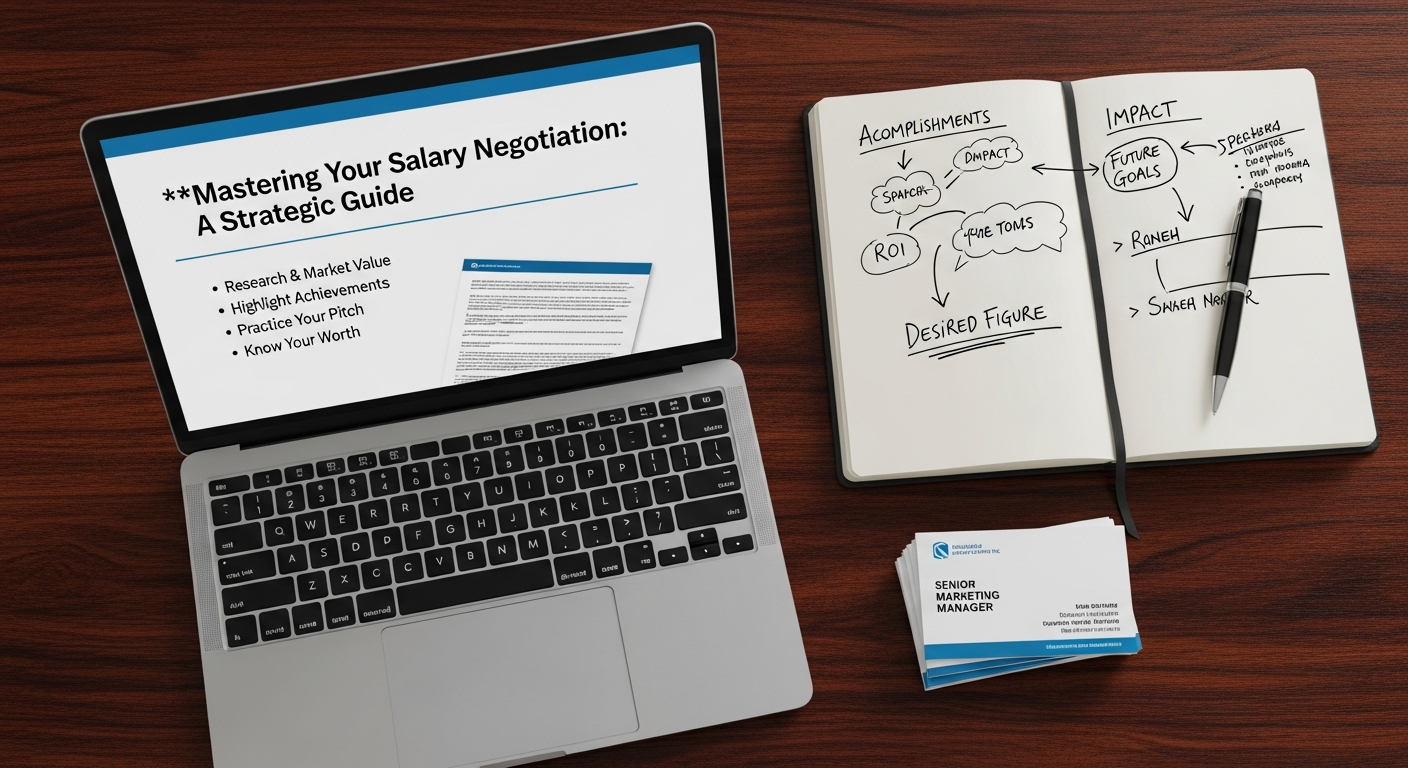
Begin by compiling a detailed list of your accomplishments over the past year or two. Don’t just list tasks; focus on outcomes. Did you reduce costs by X percent? Did you improve a process that saved Y hours per week? Did you exceed sales targets by Z margin? Use metrics and data whenever possible. These tangible results are your strongest arguments. Consider initiatives where you played a pivotal role in improving team output, directly linking to principles of How To Improve Employee Productivity. Demonstrating how your efforts have directly enhanced the collective efficiency and output of your department or the company as a whole provides compelling evidence of your worth.
Next, it’s vital to conduct comprehensive market research. What is the going rate for someone with your experience, skills, and responsibilities in your industry and geographic location? Utilize reputable salary aggregators, industry reports, and professional networking sites. Look for data specific to your role and the size of your company. This external validation is crucial. It helps you anchor your request in objective reality rather than subjective desire. Understand the current trends and projections for your field as we approach 2026; a proactive understanding of market shifts strengthens your position.
Furthermore, consider your company’s internal context. Is the company performing well? Are there specific departments experiencing growth or increased investment? Understanding the financial health and strategic priorities of your organization can inform the timing and framing of your request. A raise conversation is more likely to be fruitful when the company is in a strong position and you can align your request with its strategic objectives. For instance, if the company is investing heavily in digital transformation, highlighting your contributions to digital projects or your acquisition of relevant tech skills would be highly pertinent. Your ability to connect your personal development with the company’s strategic direction underscores your long-term value and commitment.
Finally, reflect on your unique skills and the specialized knowledge you bring. Do you have certifications that are in high demand? Are you proficient in niche software or methodologies? Do you mentor junior colleagues or lead informal projects? These often-overlooked aspects of your contribution add significant value and differentiate you from others in similar roles. Articulating these unique selling points is akin to a business identifying its competitive advantages in the market. By understanding and quantifying these elements, you build an unshakeable case for your increased compensation, moving beyond a simple request to a well-supported business proposal.
Strategic Preparation Before the Conversation

Successful salary negotiation is rarely spontaneous; it’s the culmination of meticulous planning and strategic preparation. This phase involves gathering your evidence, crafting your compelling narrative, and anticipating every possible turn the conversation might take. Think of it as preparing a detailed pitch for a high-stakes B2B client – you need to be informed, persuasive, and ready to address any concerns.
Gathering Your Evidence: The Data-Driven Approach
Your personal value proposition, developed in the previous step, needs to be supported by concrete evidence. Collect data, metrics, and specific examples that illustrate your impact. This might include:
- Performance reviews with positive feedback.
- Emails or testimonials from colleagues, clients, or managers praising your work.
- Project completion reports detailing your contribution and outcomes.
- Data showing cost savings, revenue generation, efficiency improvements, or successful project implementations.
- Documentation of new skills acquired or certifications earned that directly benefit the company.
Organize this information in a concise, easy-to-reference format. You don’t need to present a binder full of documents, but having the facts readily available will boost your confidence and credibility. For example, if you were instrumental in streamlining a sales process, quantify the time saved or the increase in conversion rates, demonstrating your direct impact on the company’s financial health.
Crafting Your Pitch: The Narrative of Your Value
Once you have your evidence, weave it into a compelling narrative. Your pitch should clearly articulate:
- Your accomplishments: What you have achieved since your last salary review or joining the company.
- Your current responsibilities: Have they grown beyond your initial job description? Are you taking on tasks typically assigned to more senior roles?
- Your market value: Based on your research, what is a fair compensation range for your role and contributions?
- Your future impact: How you plan to continue contributing significantly to the company’s success in 2026 and beyond.
Practice delivering this pitch. Rehearse what you will say, focusing on confidence, clarity, and conciseness. Avoid making it sound like a demand; instead, frame it as a discussion about your growth, contributions, and alignment with market standards. Your goal is to demonstrate a mutually beneficial outcome, where the company invests in a valuable asset (you) who will continue to drive results.
Anticipating Objections and Preparing Counter-Arguments
A crucial part of strategic preparation is to anticipate potential objections or concerns your manager might raise. This proactive thinking allows you to prepare thoughtful, data-backed responses. Common objections include “no budget,” “not the right time,” or “everyone is paid fairly.” For each potential objection, consider a calm, professional counter-argument. For instance, if budget is cited, you might highlight how your contributions have already saved or generated significant funds, effectively creating your own “budget.” This strategic foresight is similar to how businesses prepare for competitor responses when launching a new product or service.
Setting the Stage: Timing and Environment
The timing and setting of your request can significantly influence its outcome. Choose a time when your manager is likely to be less stressed and more receptive – typically not during a major project deadline or a company crisis. Request a dedicated meeting time specifically for this discussion, rather than trying to squeeze it into a casual chat. Frame the meeting request professionally: “I’d like to schedule some time to discuss my compensation and career growth within the company.” This sets a professional tone and allows both parties to prepare.
This entire preparation process mirrors the diligent work involved in How To Build B2B Sales Funnel. Just as a sales professional meticulously researches prospects, qualifies leads, crafts compelling messaging, and anticipates objections to guide a customer through the funnel towards a conversion, you are doing the same for your salary negotiation. You are identifying your “target” (your manager), understanding their “needs” (company goals), building a persuasive “case” (your value proposition), and guiding them towards a positive “conversion” (your raise). The more thoroughly you prepare, the higher your chances of a successful outcome.
Mastering the Negotiation Conversation
Opening the Discussion: Professional and Positive Tone
Start the conversation on a positive note. Express your enthusiasm for your role, your team, and your contributions to the company’s mission. Frame your request as a natural progression of your career and a reflection of your increasing value. For example, you might say, “I really enjoy my work here at [Company Name] and I’m proud of the contributions I’ve made, especially with [specific achievement]. I’d like to discuss my compensation to ensure it aligns with my current responsibilities and market value.” This sets a collaborative, rather than confrontational, tone.
Presenting Your Case: Clear, Concise, Evidence-Based
This is where your meticulously gathered evidence comes into play. Articulate your accomplishments, focusing on the impact and value you bring to the organization. Use specific examples and data points. Avoid vague statements. Instead of “I work hard,” say, “I successfully led the Q3 project, which resulted in a 15% increase in lead generation, directly impacting our How To Build B2B Sales Funnel effectiveness.” Connect your achievements directly to company goals and profitability. Emphasize how your increased responsibilities or specialized skills justify a higher salary.
Be prepared to state your desired salary or salary range. It’s often strategic to let your manager offer a number first if possible, but if pressed, provide a well-researched figure that is slightly above your target, allowing room for negotiation. Always be able to justify your number with market data and your specific contributions.
Active Listening: Understanding Their Perspective
Negotiation is a two-way street. Listen carefully to your manager’s response, concerns, or feedback. Pay attention to both what is said and what might be implied. Active listening demonstrates respect and allows you to understand their perspective, which is crucial for finding common ground. If they express budget constraints, for example, you can then pivot to discussing non-monetary benefits or a timeline for a future review, demonstrating flexibility and a problem-solving mindset. Understanding their position allows you to tailor your subsequent points more effectively.
Handling Counter-Offers and Pushback: Composure and Flexibility
It’s rare for a first request to be accepted without any discussion. Be prepared for counter-offers, questions, or even initial rejections. Maintain your composure and professionalism. If they offer a lower amount, reiterate your value and market research, but also show willingness to find a solution. Perhaps you can negotiate on other benefits if the salary is fixed, such as a title change, professional development opportunities, increased vacation time, or a clearer path to promotion. Sometimes, a smaller immediate raise with a commitment to review again in six months, tied to specific performance metrics, can be a valuable outcome.
Closing the Deal: Confirming Next Steps
Once an agreement is reached, clearly confirm the specifics: the new salary, effective date, and any other agreed-upon benefits or conditions. Ask for this agreement to be documented in writing, typically in an updated offer letter or an addendum to your employment contract. This ensures clarity and avoids misunderstandings later. Thank your manager for their time and consideration, reinforcing your commitment to the company’s success. Even if the immediate outcome isn’t exactly what you hoped for, ensure you understand the actionable steps needed for a successful raise in the near future, setting clear goals for 2026.
Post-Negotiation: Follow-up and Future Growth

Securing a salary raise is a significant milestone, but the journey doesn’t end there. The post-negotiation phase is crucial for cementing goodwill, ensuring promises are kept, and setting the stage for continuous career advancement. This period allows you to demonstrate that the company’s investment in you was well-placed and to reinforce your commitment to mutual success.
Documenting the Outcome
As mentioned, always get the agreed-upon terms in writing. This includes the new salary, effective date, and any other negotiated benefits or changes to your role. Review this documentation carefully to ensure it accurately reflects your discussion. Having a written record protects both you and the company and serves as a clear benchmark for future evaluations. If there were specific performance targets or conditions set for a future review, ensure these are also documented and understood.
Maintaining Professional Relationships
Regardless of the outcome, it is paramount to maintain a strong, positive working relationship with your manager and colleagues. If you received a raise, express your gratitude and reaffirm your dedication to exceeding expectations. Show, don’t just tell, your appreciation by continuing to perform at a high level and actively contributing to team goals. If the raise was denied or postponed, handle the outcome gracefully. Express understanding and ask for clear, actionable feedback on what you need to achieve for a successful review in the future. Avoid resentment or a drop in performance; this will only undermine your credibility for future requests. Your continued professional demeanor is a testament to your maturity and commitment, which is a core component of How To Improve Employee Productivity within any organization.
Setting New Goals and Expectations for 2026
Use the negotiation outcome as a catalyst for setting new professional goals. If you received a raise, identify how you will continue to add value commensurate with your new compensation. If you didn’t, articulate what specific objectives you need to meet to justify a raise in the next cycle. Work with your manager to establish clear, measurable targets for 2026 and beyond. These goals should align with both your career aspirations and the company’s strategic objectives. For instance, if you committed to taking on a leadership role in a new project, proactively seek out those opportunities and demonstrate your capability.
Continuous Self-Improvement and Value Creation
A successful negotiation is a continuous cycle of proving your worth. Don’t rest on your laurels. Continue to seek opportunities for learning, skill development, and taking on new challenges. Stay updated on industry trends, new technologies, and best practices. Your commitment to continuous self-improvement ensures that your value to the company not only remains high but continues to grow. This ongoing dedication to excellence is a powerful indicator that you are a vital asset, making future salary discussions significantly easier and more predictable. By consistently demonstrating increased value, you automatically strengthen your position for subsequent compensation reviews and career progression, ensuring your trajectory remains upward towards and beyond 2026.
Common Pitfalls and How to Avoid Them
While the path to a successful salary negotiation is paved with preparation and strategic communication, it’s equally important to be aware of common missteps that can derail your efforts. Avoiding these pitfalls can significantly increase your chances of a positive outcome and preserve your professional standing.
1. Lack of Preparation: This is arguably the biggest pitfall. Approaching a salary discussion without research, quantifiable achievements, or a clear understanding of your market value is akin to entering a crucial business meeting without a presentation or data.
How to avoid: Dedicate ample time to researching market rates, documenting your accomplishments, and preparing your pitch. Have specific examples and metrics ready to support your claims. Treat it like a formal business proposal.
2. Making it Emotional or Personal: Focusing on your personal financial needs (e.g., “I need more money for rent” or “I’m struggling financially”) will not resonate with management. Salary decisions are based on value to the company, not personal circumstances.
How to avoid: Keep the conversation professional and focused on your value, contributions, and market worth. Frame your request in terms of your increased responsibilities and impact on the business, not your personal financial situation.
3. Issuing Ultimatums: Threatening to leave if you don’t get a raise is generally counterproductive and can damage your professional reputation. While it’s acceptable to explore other opportunities, using them as leverage should be done with extreme caution and only if you’re genuinely prepared to follow through.
How to avoid: Focus on collaborative problem-solving. Present your case strongly but be open to discussion and alternative solutions. If you have another offer, mention it as a data point for market value, not as an ultimatum. Only play this card if you are truly ready to walk away and have decided to pursue the other offer should your current employer not meet your expectations.
4. Not Knowing Your Worth (or Asking Too Little/Too Much): Asking for too little undervalues your contributions, while asking for an exorbitantly high amount without justification can make you seem out of touch or unreasonable.
How to avoid: Thorough market research is key. Understand the typical salary range for your role, experience, and location. Aim for the higher end of a justifiable range, backed by your accomplishments and market data, allowing room for negotiation.
5. Poor Timing: Requesting a raise during a company downturn, significant layoffs, or your manager’s busiest period can signal a lack of awareness and be poorly received.
How to avoid: Be attuned to the company’s financial health and your manager’s schedule. Choose a time when the company is performing well and your manager can give you their undivided attention. Annual review cycles or after successfully completing a major project are often good times.
6. Not Following Up (or Following Up Inappropriately): Failing to get the agreement in writing or not following up on agreed-upon actions can lead to misunderstandings or missed opportunities. Conversely, aggressive or overly frequent follow-ups can be perceived negatively.
How to avoid: After the discussion, send a polite email summarizing the agreed-upon points and next steps. If a decision is pending, agree on a follow-up timeline and stick to it. If you are asked to demonstrate specific improvements, ensure you are tracking and communicating your progress.
By consciously avoiding these common pitfalls, you can navigate your salary negotiation with greater confidence and professionalism, significantly improving your chances of securing the compensation you deserve without jeopardizing your valuable professional relationships or future career prospects within the organization.
Leveraging Business Acumen for Personal Growth and Compensation
In the competitive B2B landscape, an employee’s value extends far beyond their immediate job description. Demonstrating a deep understanding of broader business operations and strategic objectives can significantly elevate your perceived worth and, consequently, your earning potential. This section explores how integrating business acumen into your professional approach can bolster your case for a raise and position you as an invaluable asset to your organization, not just for 2026 but for the long term.
Understanding Strategic Efficiency: What Is Business Process Outsourcing?
A professional who comprehends the strategic advantages and implications of initiatives like What Is Business Process Outsourcing (BPO) adds immense value. BPO isn’t just about sending tasks offshore; it’s a strategic decision to enhance efficiency, reduce operational costs, and allow internal teams to focus on core competencies. If you can articulate how your role, or your team’s function, could be optimized through process improvements, automation, or even strategic outsourcing considerations, you’re speaking the language of C-suite executives. For instance, identifying internal processes that are ripe for automation or could be more efficiently handled by a specialized BPO provider demonstrates a forward-thinking, cost-conscious mindset. Highlighting how your understanding of these efficiencies allows the company to reallocate resources to higher-value activities directly impacts the bottom line and showcases your strategic contribution beyond your daily tasks.
Consider a scenario where you, as a marketing professional, analyze the repetitive administrative tasks in your department. By researching BPO solutions for content moderation or data entry, and presenting a case for how this would free up your team to focus on creative strategy and campaign optimization, you’re not just asking for a raise; you’re demonstrating leadership in operational excellence. This level of insight translates directly into increased value, making your request for higher compensation more justifiable.
Driving Performance Through Insight: How To Improve Employee Productivity
Your ability to not only be productive yourself but also to contribute to the collective productivity of your team or department is a powerful argument for a raise. Businesses are constantly seeking ways for How To Improve Employee Productivity across all levels. If you can identify bottlenecks, propose solutions, or implement new tools that streamline workflows and enhance output, you are directly impacting the company’s efficiency and profitability. Quantify these contributions: did you introduce a new project management tool that reduced meeting times by 20%? Did you train colleagues on a new software, leading to a 10% increase in task completion speed?
An employee who consistently seeks to optimize processes, share knowledge, and foster a more efficient working environment is a force multiplier. When negotiating your salary, articulate these initiatives. Explain how your efforts directly contribute to a more effective workforce, which in turn leads to better project delivery, higher quality output, and ultimately, greater organizational success. This demonstrates that you are not just a cog in the machine, but an active participant in improving the machine’s performance, making your continued investment a clear win for the company.
Connecting Your Role to Revenue: How To Build B2B Sales Funnel
Even if you are not directly in a sales role, understanding the principles of How To Build B2B Sales Funnel and how your work contributes to its success is invaluable. Every department, from marketing to product development to customer service, plays a role in nurturing leads, converting prospects, and retaining clients. If you’re in marketing, you contribute to top-of-funnel awareness and lead generation. If you’re in product, your innovations improve conversion and retention. In customer service, you impact customer loyalty and upsell opportunities.
When discussing your raise, connect your achievements to these broader sales objectives. For example, a content writer might highlight how a series of blog posts they authored led to a measurable increase in qualified leads entering the sales funnel. A product manager could explain how a new feature they championed reduced churn, thereby improving customer lifetime value. By demonstrating a clear understanding of the sales cycle and articulating how your specific contributions enhance different stages of the B2B sales funnel, you show a comprehensive grasp of the business’s core revenue-generating mechanisms. This perspective transforms your request from a personal desire into a business investment, as you are proving your direct or indirect impact on the company’s ability to acquire and retain profitable clients, a critical factor for sustained growth into 2026 and beyond. This integrated view of business operations positions you as a strategic thinker, significantly strengthening your argument for increased compensation and career advancement.
Frequently Asked Questions
Recommended Resources
Check out Best No Annual Fee Rewards Cards 2026 on Gold Points for a deeper dive.
For more on how to negotiate, see How To Invest In Etfs For Beginners on Trading Costs.