
Understanding the Modern Landscape of Business Operating Costs in 2026
For businesses operating in 2026, the concept of operating costs extends far beyond simple overheads. It encompasses the entirety of expenses incurred through normal business operations to generate revenue, excluding the cost of goods sold. These costs are the lifeblood of any enterprise, funding everything from employee salaries and benefits to utility bills, rent, marketing campaigns, and technology infrastructure. In today’s economic climate, characterized by fluctuating energy prices, supply chain disruptions, and a competitive talent market, understanding and managing these costs effectively is more critical than ever. Ignoring or mismanaging them can quickly erode profit margins, stifle innovation, and impede growth.
The challenge lies in identifying which costs are truly essential and which can be optimized or eliminated without compromising the business’s core functions or its ability to deliver high-quality output. A common pitfall is the indiscriminate slashing of budgets, often targeting areas like employee training, R&D, or customer service – functions that, while appearing as expenses, are in fact vital investments in future quality and competitiveness. For instance, cutting corners on quality control might offer immediate savings but leads to increased product returns, damaged reputation, and loss of customer trust in the long run. Similarly, underinvesting in technology upgrades might seem to save money now but will result in decreased efficiency, cybersecurity vulnerabilities, and a competitive disadvantage down the line. Therefore, a nuanced approach is required, one that meticulously analyzes each cost center to uncover opportunities for efficiency gains and strategic reallocation rather than outright elimination. The goal is to reduce business operating costs without cutting quality, ensuring that every dollar spent contributes meaningfully to value creation and sustained growth.
Identifying Key Cost Centers and Their Impact
To effectively manage operating costs, businesses must first meticulously identify and analyze their primary cost centers. These typically include:
- Personnel Costs: Salaries, wages, benefits, training, and recruitment. Often the largest expense, but also the most crucial for productivity and quality.
- Occupancy Costs: Rent, utilities, maintenance, and insurance for physical premises.
- Administrative Costs: Office supplies, software subscriptions, legal and accounting fees.
- Marketing and Sales Costs: Advertising, promotional activities, sales force expenses, and digital marketing tools.
- Technology Costs: Hardware, software licenses, IT support, cloud services, and cybersecurity measures.
- Logistics and Supply Chain Costs: Transportation, warehousing, inventory management, and procurement.
Each of these areas presents unique opportunities for optimization. For example, a thorough review of technology costs might reveal underutilized software licenses or opportunities to migrate to more cost-effective cloud solutions. An examination of personnel costs might highlight inefficiencies in workflow that, once addressed, can significantly improve employee productivity without requiring staff reductions. Understanding the impact of each cost center on overall quality and customer satisfaction is paramount. A strategic reduction in one area might be offset by an increase in another if it leads to a superior product or service, ultimately enhancing long-term value.
Optimizing Your Workforce: Boosting Productivity and Efficiency
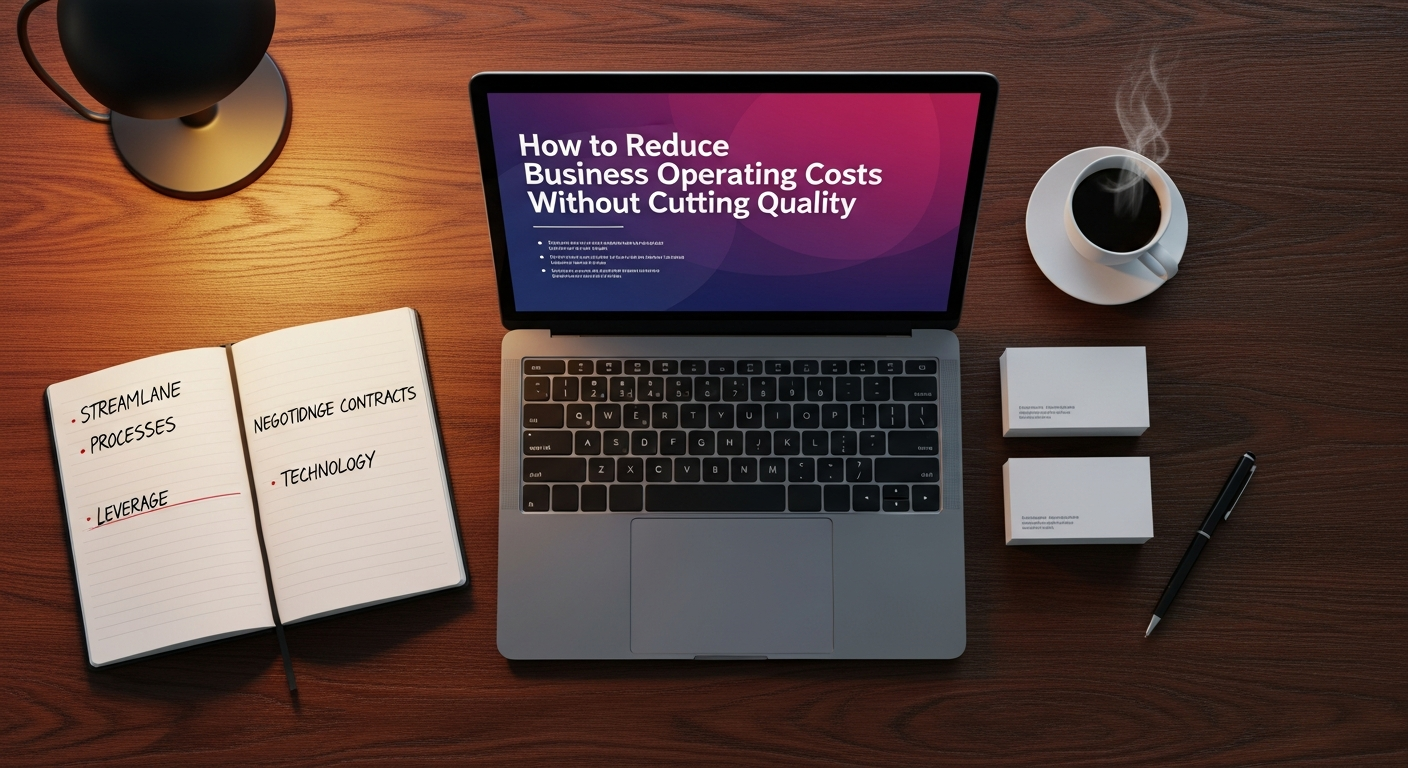
The workforce is arguably a business’s most valuable asset, and simultaneously, often its largest operating cost. The misconception that reducing workforce costs necessitates layoffs or salary freezes is a dangerous one, as such measures almost invariably lead to decreased morale, loss of institutional knowledge, and a significant drop in quality. Instead, the focus should be on how to improve employee productivity and efficiency, thereby maximizing the return on investment in human capital. By empowering employees to achieve more with the same resources, businesses can significantly reduce their effective per-unit labor cost without compromising quality or employee well-being.
In 2026, this optimization involves a multi-faceted approach, integrating technology, strategic training, and a supportive work culture. The aim is to create an environment where employees are engaged, well-equipped, and motivated to perform at their best, directly contributing to higher quality output and reduced operational inefficiencies. This proactive approach ensures that cost savings are a byproduct of enhanced performance, not a result of cuts that degrade the work environment or the quality of deliverables.
Leveraging Technology for Automation and Streamlining
One of the most impactful ways to boost productivity is through the strategic adoption of technology for automation. Repetitive, manual tasks in areas like data entry, invoicing, customer service inquiries, and report generation consume valuable employee time that could be better spent on more complex, value-adding activities. Implementing Robotic Process Automation (RPA), Artificial Intelligence (AI) tools, and specialized software can automate these mundane tasks, freeing up employees to focus on innovation, problem-solving, and direct customer engagement. For example, an automated customer support chatbot can handle routine queries, allowing human agents to address more intricate issues, thus improving service quality and reducing response times. Similarly, project management software can streamline workflows, improve collaboration, and reduce delays, directly impacting the efficiency and quality of project delivery. The initial investment in such technologies is often quickly recouped through significant long-term savings in labor costs and increased output quality.
Investing in Employee Training and Development
While it might seem counterintuitive to spend more to save, investing in continuous employee training and development is a powerful strategy to reduce operating costs without cutting quality. Well-trained employees are more efficient, make fewer errors, require less supervision, and are more adaptable to new technologies and processes. Skill gaps can lead to rework, missed deadlines, and suboptimal performance, all of which contribute to increased operational costs. By providing targeted training programs – whether for new software, advanced technical skills, or soft skills like communication and problem-solving – businesses empower their workforce to perform at a higher level. This not only enhances the quality of their output but also improves job satisfaction and retention, reducing the costly turnover rates associated with recruiting and onboarding new staff. A knowledgeable and skilled workforce is inherently more productive and less prone to costly mistakes, directly translating into operational savings and superior quality.
Fostering a Culture of Efficiency and Accountability
Beyond technology and training, cultivating a company culture that values efficiency and accountability is critical. This involves setting clear performance metrics, encouraging open communication, and empowering employees to identify and suggest improvements in their own workflows. Regular feedback sessions, performance reviews, and recognition programs can motivate employees to seek out efficiencies and take ownership of their roles. When employees feel valued and their contributions are recognized, they are more likely to be engaged and committed to the company’s goals, including cost reduction efforts. Implementing lean methodologies, for instance, encourages continuous improvement by systematically identifying and eliminating waste in all business processes, from production to administrative tasks. This cultural shift ensures that cost-saving initiatives are not seen as top-down mandates but as collective efforts that benefit everyone, ultimately enhancing overall operational quality.
Strategic Sourcing and Vendor Management
The procurement of goods and services represents a significant portion of many businesses’ operating costs. However, simply opting for the cheapest supplier can be a false economy if it leads to compromises in quality, reliability, or delivery times. Strategic sourcing and meticulous vendor management offer a sophisticated pathway to reduce business operating costs without cutting quality, focusing instead on value optimization and risk mitigation.
This approach goes beyond mere price negotiation; it involves a holistic evaluation of supplier relationships, market dynamics, and internal needs. By building strong, collaborative relationships with a select group of high-quality vendors, businesses can unlock opportunities for preferential pricing, innovation, and improved service levels. In 2026, this often means leveraging data analytics to identify optimal procurement strategies, consolidating purchasing power, and exploring global sourcing options while carefully balancing cost with ethical and sustainable practices.
Negotiating Favorable Terms and Bulk Discounts
One of the most direct ways to reduce procurement costs is through effective negotiation. This involves not only driving down unit prices but also securing favorable payment terms, delivery schedules, and service level agreements (SLAs). For frequently purchased items or services, consolidating demand across different departments or business units can create opportunities for bulk discounts. Instead of multiple small orders, a single larger order can often command a significantly better price. Furthermore, exploring longer-term contracts with key suppliers can provide price stability and potentially lower rates in exchange for guaranteed volume. However, it’s crucial that these negotiations do not compromise the quality of materials or services. A slight price reduction that results in inferior components or unreliable service will ultimately lead to higher costs through rework, customer complaints, and reputational damage. Therefore, negotiations must always be balanced with a clear understanding of the minimum quality standards required.
Consolidating Vendors and Building Strategic Partnerships
Working with an excessive number of vendors can lead to administrative complexities, fragmented purchasing power, and inconsistent quality. By strategically consolidating vendors for similar goods or services, businesses can simplify their procurement processes, reduce administrative overheads, and gain greater leverage in negotiations. This doesn’t mean putting all your eggs in one basket; rather, it involves identifying core suppliers who consistently deliver high quality and reliability, then deepening those relationships into strategic partnerships. These partnerships can lead to collaborative efforts in product development, shared innovation, and improved supply chain visibility. For example, a single IT hardware vendor might offer better pricing and support than managing relationships with five different suppliers. Such consolidation not only reduces costs but also often enhances the overall quality and consistency of inputs, as the vendor has a greater stake in the success of the partnership.
Implementing Robust Vendor Performance Management
To ensure that cost savings do not come at the expense of quality, robust vendor performance management is essential. This involves regularly monitoring and evaluating suppliers against agreed-upon KPIs, including quality metrics, delivery times, service responsiveness, and compliance. Utilizing vendor scorecards and regular review meetings can help identify underperforming suppliers early and address issues proactively. This continuous feedback loop ensures that suppliers are held accountable for their commitments and encourages them to maintain or improve their quality standards. Furthermore, it allows businesses to identify opportunities for process improvements within the supply chain, working collaboratively with vendors to streamline operations and reduce costs for both parties. A well-managed vendor ecosystem is a cornerstone of maintaining high quality while simultaneously driving down operational expenses in 2026 and beyond.
The Power of Outsourcing: A Strategic Cost Reduction Tool
In the quest to reduce business operating costs without cutting quality, Business Process Outsourcing (BPO) has emerged as a profoundly strategic tool for businesses across various sectors in 2026. Rather than viewing outsourcing merely as a means to access cheaper labor, forward-thinking companies recognize its potential to enhance operational efficiency, access specialized expertise, and improve service delivery quality, all while achieving significant cost savings. BPO involves contracting a third-party service provider to handle specific business functions that are typically performed in-house. This can range from back-office tasks like accounting and HR to front-office functions such as customer support and technical assistance.
The strategic advantage of BPO lies in its ability to allow companies to focus their internal resources on core competencies and strategic initiatives, leaving non-core but essential functions to experts whose primary business is delivering those services efficiently and at scale. This often results in higher quality outcomes for the outsourced functions, as specialized providers possess dedicated infrastructure, trained personnel, and best-in-class processes that an individual company might struggle to maintain internally. Furthermore, BPO providers typically benefit from economies of scale, passing these savings onto their clients, which directly contributes to a reduction in overall operating costs.
What Is Business Process Outsourcing (BPO)?
At its core, Business Process Outsourcing (BPO) is the delegation of one or more IT-intensive business processes to an external provider that owns, administers, and manages the selected process(es) based on defined metrics. These processes can be categorized into two main types:
- Back-office BPO: Includes internal business functions such as accounting (payroll, general ledger, accounts payable/receivable), human resources (recruitment, benefits administration, training), IT services, and data management.
- Front-office BPO: Pertains to customer-facing services like customer support, technical helpdesks, telemarketing, and sales support.
The decision to outsource is driven by various factors, including the need to reduce operational costs, gain access to specialized skills not available internally, improve flexibility and scalability, and enhance overall service quality. For instance, a small to medium-sized enterprise might not have the resources to build a sophisticated in-house IT support team. By outsourcing this function, they gain access to a dedicated team of IT professionals, advanced tools, and round-the-clock support at a fraction of the cost of maintaining an internal department, thereby significantly improving their operational resilience and quality of support.
Benefits of BPO Beyond Cost Savings
While cost reduction is a primary driver, the true strategic value of BPO extends far beyond mere savings.
- Access to Specialized Expertise: BPO providers often specialize in particular functions, bringing deep industry knowledge, best practices, and advanced technological capabilities that might be costly or impossible to develop in-house. This directly translates to higher quality service delivery for the outsourced function.
- Increased Efficiency and Productivity: Specialized providers are optimized to perform specific tasks efficiently. Their focus, economies of scale, and advanced technologies can lead to faster turnaround times, fewer errors, and improved overall productivity.
- Scalability and Flexibility: Outsourcing allows businesses to scale operations up or down quickly in response to market demands without the significant overheads associated with hiring and training internal staff. This agility is crucial in the volatile market conditions of 2026.
- Focus on Core Competencies: By offloading non-core processes, internal teams can dedicate their time and resources to strategic activities that directly drive competitive advantage and innovation, ultimately enhancing the quality of core products and services.
- Risk Mitigation: BPO providers often have robust disaster recovery plans, compliance frameworks, and cybersecurity measures in place, which can help mitigate risks associated with specific business functions.
For example, a company struggling with an inefficient payroll process might find that outsourcing to a BPO provider not only reduces the direct cost of processing payroll but also eliminates errors, ensures compliance with ever-changing regulations, and frees up their HR department to focus on talent development – all contributing to higher operational quality and reduced risk.
Selecting the Right BPO Partner
The success of BPO hinges on selecting the right partner. This requires a thorough due diligence process that assesses not only cost structures but also the provider’s track record, technological capabilities, data security protocols, cultural fit, and commitment to quality. Key considerations include:
- Experience and Reputation: Look for providers with a proven track record in the specific function you wish to outsource.
- Service Level Agreements (SLAs): Ensure robust SLAs are in place that clearly define performance metrics, quality standards, and penalties for non-compliance.
- Data Security and Compliance: Verify that the provider adheres to relevant data protection regulations (e.g., GDPR, HIPAA) and has strong cybersecurity measures.
- Scalability: Confirm their ability to scale services up or down as your business needs evolve.
- Communication and Transparency: A good partner will maintain open lines of communication and provide regular performance reports.
By carefully vetting potential partners and establishing clear expectations, businesses can harness the full potential of BPO to reduce business operating costs without cutting quality, ensuring that external expertise contributes positively to their overall operational excellence in 2026.
Rethinking Your Marketing and Sales Strategies
Marketing and sales are vital functions for any business, driving revenue and growth. However, they can also be significant cost centers if not managed strategically. In 2026, the traditional approaches to marketing and sales are continually being challenged by digital transformation and evolving consumer behaviors. The key to reducing costs in this area without compromising lead generation or sales performance lies in shifting towards more data-driven, targeted, and measurable strategies. This often involves a re-evaluation of the efficacy of various channels and a strategic pivot towards methods that offer a higher return on investment (ROI).
The concept of “more for less” is particularly applicable here. Instead of simply cutting marketing budgets across the board, businesses should focus on optimizing their spend, leveraging technologies that provide deeper insights, and prioritizing channels that demonstrably convert. This means understanding the fundamental differences and advantages of inbound marketing versus outbound marketing, and building a balanced strategy that maximizes reach and engagement while minimizing wasteful expenditure.
Inbound Marketing Vs Outbound Marketing: A Strategic Pivot
Understanding the distinction between inbound and outbound marketing is crucial for optimizing your marketing budget.
- Outbound Marketing: This refers to traditional marketing methods where the company initiates the conversation and pushes messages out to a broad audience. Examples include television and radio advertisements, print ads, cold calling, direct mail, and traditional billboards. While these can reach a wide audience, they are often expensive, less targeted, and difficult to measure precisely. Their effectiveness is diminishing as consumers become more adept at blocking or ignoring intrusive messages.
- Inbound Marketing: This strategy focuses on attracting customers by creating valuable content and experiences tailored to them. Instead of pushing products, inbound marketing pulls potential customers in by providing helpful information, solving problems, and building trust. Key tactics include content marketing (blogs, articles, whitepapers), search engine optimization (SEO), social media marketing, email marketing, and webinars. Inbound marketing is generally more cost-effective, highly targeted, and delivers measurable results, as it attracts individuals who are already interested in your offerings.
For businesses looking to reduce operating costs without cutting quality, a strategic pivot towards inbound marketing is often highly beneficial. While outbound marketing might still have a place for specific campaigns or industries, shifting resources towards inbound strategies can yield higher quality leads at a lower cost per acquisition. For example, investing in SEO and compelling blog content can generate organic traffic and leads over time, which is significantly cheaper than continuously paying for traditional advertising spots. This doesn’t mean abandoning all outbound efforts, but rather critically evaluating their ROI and reallocating budget to more efficient inbound channels.
Leveraging Digital Channels for Cost-Effective Reach
Digital channels offer unparalleled opportunities for cost-effective marketing and sales.
- Content Marketing and SEO: Creating high-quality, relevant content (articles, videos, infographics) optimized for search engines can attract organic traffic, establish thought leadership, and generate leads at a fraction of the cost of traditional advertising. This content also serves as a long-term asset, continuously generating value.
- Social Media Marketing: Strategic use of social media platforms allows for direct engagement with target audiences, brand building, and even direct sales, often with minimal advertising spend if content is engaging and shareable. Paid social media campaigns can be highly targeted, ensuring advertising dollars reach the most relevant demographics.
- Email Marketing: Building an email list and sending targeted, value-driven newsletters or promotional offers remains one of the most cost-effective ways to nurture leads and retain customers.
- Marketing Automation: Implementing marketing automation platforms can streamline repetitive tasks like email sending, lead nurturing, and social media posting, reducing manual labor costs and improving consistency and personalization.
By focusing on these digital channels, businesses can achieve broader reach, more precise targeting, and better measurement of campaign performance, allowing them to optimize their spend continually and ensure every marketing dollar contributes to quality lead generation and sales.
Optimizing the Sales Funnel for Efficiency
Beyond marketing, optimizing the sales funnel itself can significantly reduce costs. This involves:
- Lead Qualification: Implementing robust lead qualification processes ensures that sales teams spend their valuable time pursuing prospects with the highest likelihood of conversion, reducing wasted effort on unqualified leads. This can be supported by marketing automation and CRM systems.
- Sales Enablement: Providing sales teams with the right tools, training, and content (e.g., updated product information, case studies, competitive analyses) helps them close deals more efficiently and effectively. This reduces the sales cycle length and improves conversion rates.
- CRM Implementation: A well-utilized Customer Relationship Management (CRM) system can centralize customer data, automate sales processes, track interactions, and provide insights into sales performance. This improves efficiency, personalizes customer interactions, and helps identify bottlenecks in the sales process, ultimately reducing the cost per sale while enhancing customer experience.
By strategically rethinking marketing and sales through the lens of inbound methodologies, digital channels, and sales funnel optimization, businesses in 2026 can effectively reduce their operating costs while simultaneously improving the quality and volume of their leads and sales conversions, ensuring sustainable growth.
Embracing Technology for Operational Excellence
In the rapidly evolving business landscape of 2026, technology is no longer just a support function; it is a fundamental driver of operational excellence and a critical enabler for reducing business operating costs without cutting quality. Strategic investment in the right technological solutions can revolutionize how businesses operate, leading to unparalleled efficiencies, improved decision-making, enhanced customer experiences, and significant long-term cost savings. From enterprise resource planning (ERP) systems to cloud computing and advanced data analytics, technology offers a myriad of opportunities to streamline processes, automate tasks, and gain deeper insights into business performance.
The key is to view technology not as an expense, but as an investment that yields substantial returns by optimizing resource utilization, minimizing waste, and boosting overall productivity. This approach allows businesses to maintain or even elevate the quality of their products and services while simultaneously achieving a leaner, more agile operational footprint.
Implementing Enterprise Resource Planning (ERP) Systems
An Enterprise Resource Planning (ERP) system integrates all facets of an operation, including product planning, development, manufacturing, sales, marketing, and human resources. By centralizing data and processes into a single system, ERP eliminates data silos, reduces manual data entry, and provides a unified view of the entire business. This integration leads to:
- Improved Efficiency: Automating routine tasks and streamlining workflows across departments reduces labor costs and speeds up processes.
- Better Decision-Making: Real-time access to accurate data enables managers to make informed decisions faster, identifying inefficiencies and opportunities for cost savings.
- Reduced Operational Costs: By optimizing inventory management, improving supply chain visibility, and reducing administrative overheads, ERP systems directly contribute to lower operating expenses.
- Enhanced Quality Control: Standardized processes and better data tracking allow for more consistent quality control across production and service delivery.
For example, an ERP system can optimize inventory levels, reducing carrying costs and minimizing waste from obsolescence, while simultaneously ensuring that raw materials are available precisely when needed to maintain production quality.
Leveraging Cloud Computing and SaaS Solutions
The shift to cloud computing and Software-as-a-Service (SaaS) models has been a game-changer for cost reduction. Instead of investing heavily in on-premise hardware, software licenses, and IT infrastructure, businesses can subscribe to cloud-based services. This offers several cost-saving benefits:
- Reduced Infrastructure Costs: Eliminates the need for expensive servers, data centers, and the associated maintenance, power, and cooling costs.
- Scalability and Flexibility: Businesses can easily scale computing resources up or down based on demand, paying only for what they use, which is particularly beneficial for fluctuating workloads.
- Automatic Updates and Maintenance: SaaS providers handle software updates, security patches, and maintenance, freeing up internal IT staff and reducing related costs.
- Improved Accessibility and Collaboration: Cloud-based tools allow employees to access resources and collaborate from anywhere, enhancing productivity and supporting remote work models.
By adopting cloud solutions, businesses can significantly reduce their capital expenditure on IT and convert it into a more predictable operational expense, all while gaining access to leading-edge software and infrastructure that would be prohibitively expensive to build and maintain internally.
Data Analytics for Informed Cost Management
In 2026, data is one of a business’s most powerful assets. Advanced data analytics tools can sift through vast amounts of operational data to identify patterns, inefficiencies, and opportunities for cost reduction that might otherwise go unnoticed.
- Predictive Analytics: Can forecast demand, optimize inventory levels, predict equipment failures (preventative maintenance), and identify potential supply chain disruptions, allowing for proactive cost management.
- Operational Insights: Analyzing data from production lines, customer service interactions, or logistics networks can pinpoint bottlenecks, areas of waste, and opportunities for process improvement.
- Customer Behavior Analysis: Understanding customer preferences and purchasing patterns can inform more targeted marketing efforts, reducing wasteful spending on ineffective campaigns and improving the quality of customer engagement.
By transforming raw data into actionable insights, businesses can make smarter, evidence-based decisions about where to allocate resources, which processes to optimize, and how to achieve cost savings without compromising the quality of their products or services. For example, predictive maintenance schedules based on equipment sensor data can prevent costly breakdowns and extend asset lifespan, directly impacting operational costs and production consistency.
Continuous Improvement and Cost Monitoring
Achieving significant cost reductions without compromising quality is not a one-time event; it is an ongoing journey that requires a commitment to continuous improvement and diligent cost monitoring. The business environment of 2026 is too dynamic for static budgeting or sporadic cost-cutting initiatives. Instead, businesses must embed a culture of efficiency, vigilance, and adaptability into their operational DNA, constantly seeking out new opportunities for optimization and responding proactively to changing market conditions.
This continuous cycle involves regularly reviewing expenditures, analyzing performance metrics, gathering feedback, and being open to innovation. By establishing robust monitoring systems and fostering an environment where every employee is empowered to contribute to efficiency gains, companies can ensure that their cost-reduction efforts are sustainable, progressive, and consistently aligned with their quality objectives.
Establishing Key Performance Indicators (KPIs) for Cost and Quality
Effective cost management and quality preservation depend on clear, measurable metrics. Businesses must establish Key Performance Indicators (KPIs) that track both financial performance and quality outcomes across all departments.
- Cost-Related KPIs: Examples include cost per unit, overhead ratio, employee productivity cost, customer acquisition cost (CAC), cost of goods sold (COGS) as a percentage of revenue, and budget variance.
- Quality-Related KPIs: Examples include defect rates, customer satisfaction scores (CSAT), net promoter score (NPS), product return rates, service response times, and employee error rates.
By regularly monitoring these KPIs, businesses can quickly identify areas where costs are escalating unexpectedly or where quality is beginning to slip. For instance, if the cost per unit is rising without a corresponding increase in quality or output, it signals an inefficiency that needs immediate attention. Conversely, if quality metrics remain high while cost-related KPIs show improvements, it validates the success of cost-reduction initiatives. This dual focus ensures that savings are not achieved at the expense of the value delivered to customers.
Regular Audits and Process Reviews
To maintain a lean and efficient operation, regular audits of all business processes and expenditures are essential. These audits should not be viewed as punitive exercises but as opportunities for improvement.
- Expense Audits: Periodically review all vendor contracts, subscriptions, and discretionary spending to identify redundancies, underutilized services, or opportunities for renegotiation. This can uncover hidden costs, such as unused software licenses or services that are no longer necessary.
- Process Reviews: Conduct systematic reviews of key operational processes (e.g., manufacturing, customer service, order fulfillment) to identify bottlenecks, waste, and areas where automation or re-engineering could improve efficiency. Tools like Six Sigma or Lean methodologies can be invaluable here.
- Technology Audits: Evaluate the effectiveness and cost-efficiency of existing technology infrastructure and software solutions. Are systems integrated properly? Are there newer, more cost-effective solutions available? Is cybersecurity robust and up-to-date to prevent costly breaches?
These reviews should involve cross-functional teams to ensure diverse perspectives and foster a shared commitment to efficiency and quality. The insights gained can lead to significant cost reductions and process enhancements that directly benefit overall quality.
Fostering Employee Engagement in Cost Reduction Efforts
The most sustainable cost reductions often come from the employees who are closest to the day-to-day operations. Empowering and incentivizing employees to identify and propose efficiency improvements can unlock a wealth of innovative ideas.
- Suggestion Programs: Implement formal or informal channels for employees to submit ideas for cost savings or quality improvements. Recognize and reward valuable contributions.
- Training and Awareness: Educate employees on the financial health of the company and the importance of responsible resource utilization. Make them aware of how their actions impact the bottom line and quality.
- Cross-Functional Teams: Create teams tasked with solving specific operational challenges or exploring new cost-saving technologies. This fosters collaboration and leverages diverse expertise.
When employees feel ownership over cost management and quality initiatives, they are more likely to be engaged and proactive in finding solutions. This collective intelligence is a powerful asset in the ongoing quest to reduce business operating costs without cutting quality, ensuring that the company remains agile, competitive, and customer-focused in 2026 and beyond.
In conclusion, navigating the complexities of business operating costs in 2026 requires a sophisticated, strategic approach that prioritizes long-term value over short-term cuts. By focusing on workforce optimization, strategic sourcing, leveraging Business Process Outsourcing (BPO), rethinking marketing and sales through the lens of Inbound Marketing Vs Outbound Marketing, embracing technological advancements, and committing to continuous improvement, businesses can achieve significant cost reductions. These strategies are not about austerity; they are about intelligent resource allocation, enhanced efficiency, and a steadfast commitment to maintaining and even elevating the quality of every product and service. The ultimate goal is to build a resilient, agile, and profitable enterprise that can thrive in any economic climate, ensuring that every saving contributes to a stronger, more competitive future without ever compromising on the excellence that defines its brand.
Frequently Asked Questions About Reducing Business Operating Costs
What are the immediate steps a business can take to identify areas for cost reduction?
The immediate steps include conducting a thorough expense audit across all departments, analyzing historical spending data to identify trends and anomalies, reviewing vendor contracts for potential renegotiation, and seeking feedback from employees on inefficient processes or wasteful practices. Focusing on high-volume or high-cost areas first often yields the quickest wins. This initial assessment helps pinpoint where to apply more detailed strategies like Business Process Outsourcing or technology upgrades.
How can technology help reduce operating costs without impacting quality?
Technology plays a pivotal role by automating repetitive tasks, streamlining workflows, and providing data for informed decision-making. For example, Enterprise Resource Planning (ERP) systems integrate operations for greater efficiency, cloud computing reduces IT infrastructure costs, and data analytics identifies inefficiencies. These tools enhance productivity and consistency, directly contributing to higher quality output while lowering the cost of execution, aligning perfectly with the goal to reduce business operating costs without cutting quality.
Is Business Process Outsourcing (BPO) a viable strategy for small businesses to save costs?
Yes, BPO is highly viable for small businesses. It allows them to access specialized expertise (e.g., IT support, accounting, HR, customer service) and advanced technologies that would be too expensive to maintain in-house. This not only reduces operational costs but often improves the quality and professionalism of these functions, enabling small businesses to compete more effectively and focus on their core growth strategies.
How does improving employee productivity contribute to cost reduction and quality preservation?
Improving employee productivity means getting more high-quality output from the same workforce resources. This reduces the per-unit labor cost without resorting to layoffs or salary cuts. Strategies like investing in training, leveraging automation, and fostering an efficient work culture empower employees to make fewer errors, work more effectively, and innovate, directly enhancing the quality of work and reducing the need for costly rework or additional staffing.
What is the difference between Inbound Marketing Vs Outbound Marketing regarding
Recommended Resources
Check out What Is Bootstrapping A Business on AssetBar for a deeper dive.
Related reading: How To Write Ecommerce Email Campaigns (E-ComProfits).