
Building a Foundation: Optimize Your LinkedIn Presence for B2B Lead Generation
Before embarking on any lead generation activities, it’s imperative to ensure your foundational presence on LinkedIn is not just adequate, but exceptional. Both your individual professional profiles (especially for sales representatives and key executives) and your company page serve as critical touchpoints and credibility markers. Think of them as your digital storefront and your sales team’s personal brands; they must be compelling, informative, and aligned with your business objectives.
For individual profiles, optimization begins with a professional headshot and a compelling banner image that reflects your brand or industry. Your headline should go beyond just your job title; it needs to articulate the value you bring to your target audience. For example, instead of “Sales Manager,” consider “Helping B2B SaaS Companies Scale Revenue Through Strategic Partnerships.” The ‘About’ section is your opportunity to tell your story, highlight your expertise, and clearly state who you help and how. Incorporate relevant keywords that your target audience might use when searching for solutions, ensuring you appear in relevant searches. Detail your experience with quantifiable achievements and seek recommendations from clients and colleagues to bolster your credibility. A well-optimized personal profile acts as a magnet, drawing in prospects who are researching solutions or looking to connect with experts in your field.
Your Company Page, on the other hand, serves as your brand’s central hub on LinkedIn. It should be fully populated with engaging content, a clear ‘About Us’ section, a compelling logo, and a visually appealing banner. Regularly update your company page with company news, industry insights, and valuable resources. Ensure your ‘Life’ tab showcases your company culture, which can be a significant draw for potential talent and indirectly enhance your brand’s appeal to clients. A strong Company Page validates your business and provides a wealth of information for prospects performing due diligence. It also serves as a platform for distributing your content, amplifying your reach, and establishing your organization as a thought leader. Both individual and company pages should include clear calls to action, whether it’s to visit your website, download a resource, or connect directly. By investing time in this foundational optimization, you lay the groundwork for all subsequent B2B lead generation efforts, making every interaction more impactful.
Crafting a Magnetic Content Strategy for Inbound Leads
In the realm of B2B lead generation on LinkedIn, content is king, especially when it comes to attracting inbound leads. A well-thought-out content strategy doesn’t just fill your feed; it positions your brand as an authoritative, valuable resource, drawing prospects to you organically. This approach is a cornerstone of inbound marketing, where the goal is to attract customers by creating valuable content and experiences tailored to them, rather than pushing a sales message directly.
Your content strategy must be deeply rooted in understanding your target audience’s pain points, challenges, and aspirations. What questions are they asking? What problems are they trying to solve? By providing answers and solutions through your content, you build trust and credibility. Consider a diverse mix of content formats: long-form articles (LinkedIn Pulse) for in-depth analysis, shorter text posts for quick insights and engagement, native video for dynamic storytelling, carousel posts for visual summaries, and polls for interactive feedback. Each format has its strengths and can cater to different consumption preferences within your target demographic.
Focus on thought leadership. Share proprietary research, offer unique perspectives on industry trends, or dissect complex topics into actionable advice. For instance, if you’re in the Business Process Outsourcing (BPO) sector, you might publish an article titled “How What Is Business Process Outsourcing Can Revolutionize Your Supply Chain in 2026,” offering valuable insights without being overtly promotional. The goal is to educate and inform, demonstrating your expertise and capability. Regularly posting valuable content not only boosts your visibility but also encourages engagement – likes, comments, and shares – which extends your organic reach exponentially. Respond to comments thoughtfully to foster community and demonstrate your engagement. This continuous cycle of creating and sharing valuable content establishes your brand as a go-to resource, naturally attracting prospects who are already in discovery mode, making them much warmer leads when they eventually connect with your sales team. This inbound approach contrasts sharply with traditional outbound marketing, where the focus is on directly reaching out to prospects, often without prior engagement.
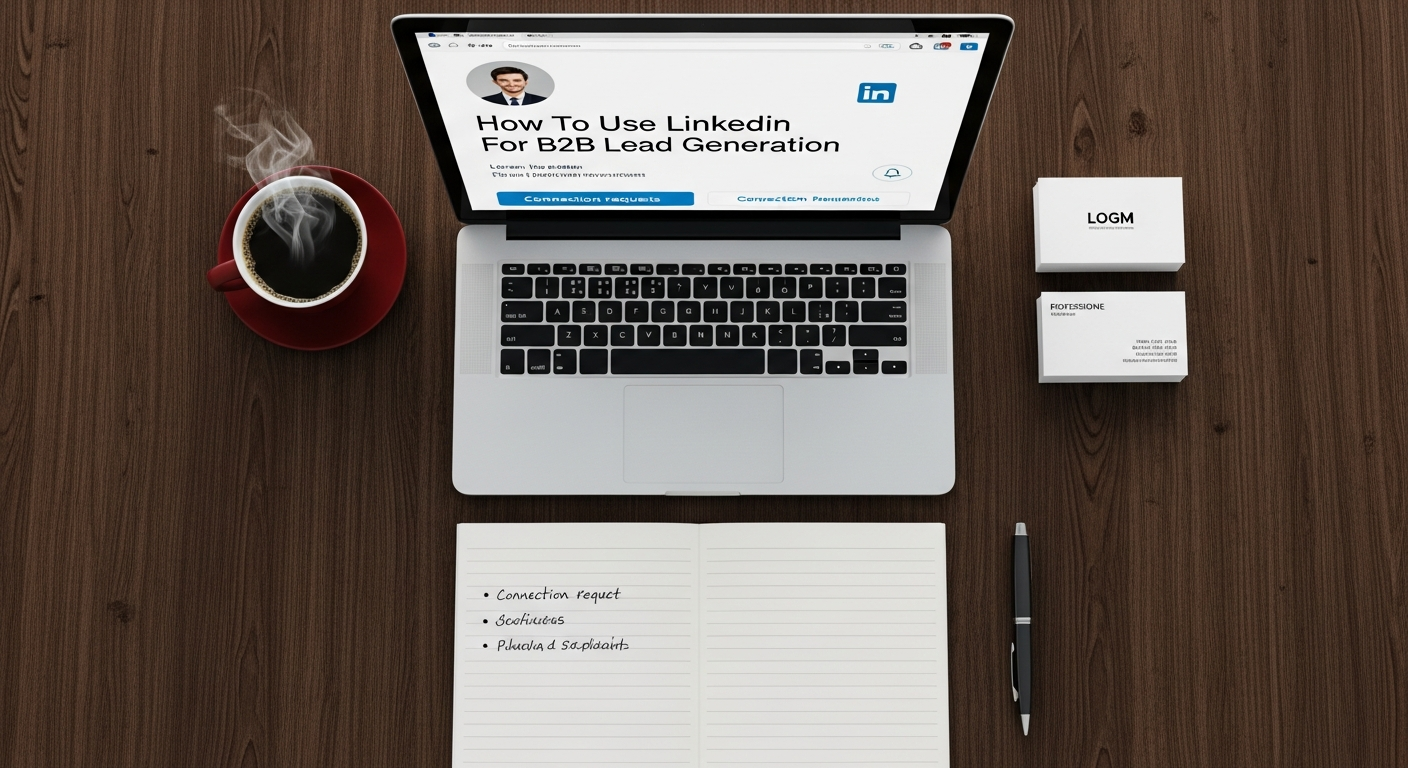
Mastering Proactive Outreach with LinkedIn Sales Navigator
The core strength of Sales Navigator lies in its advanced search filters. Unlike standard LinkedIn search, Sales Navigator allows you to filter by an extensive range of criteria, including company size, industry, job function, seniority level, geographic location, years of experience, and even specific technologies used by a company. For example, if your ideal client is a VP of Marketing at a SaaS company with 50-200 employees in California, Sales Navigator can generate a highly curated list of individuals meeting these exact specifications. Furthermore, you can save these searches and receive alerts when new prospects match your criteria, ensuring your lead pipeline is continuously refreshed.
Beyond identifying prospects, Sales Navigator provides rich insights into their activities, allowing for highly personalized outreach. You can see who has viewed your profile, who has engaged with your company’s content, and even what posts or articles your prospects have recently shared or commented on. This intelligence empowers you to craft connection requests and InMail messages that are relevant and resonate with the individual, moving beyond generic sales pitches. Instead of “I want to sell you X,” your message can start with “I noticed your recent post on [topic] and found your insights on [specific point] particularly interesting…” Such personalized approaches dramatically increase acceptance rates for connection requests and response rates for messages.
Sales Navigator also allows you to build and organize lead lists and account lists, making it easier to manage your prospecting efforts and track engagement. You can take notes on prospects, set reminders, and integrate with CRM systems to ensure a seamless workflow. This systematic approach to prospecting not only makes your sales team more efficient but also ensures they are focusing their efforts on the most promising leads. By moving beyond manual searching and leveraging the sophisticated capabilities of Sales Navigator, businesses can transform their outbound LinkedIn strategy into a highly targeted, productive, and scalable lead generation engine.
Engaging Your Network: Social Selling and Community Building
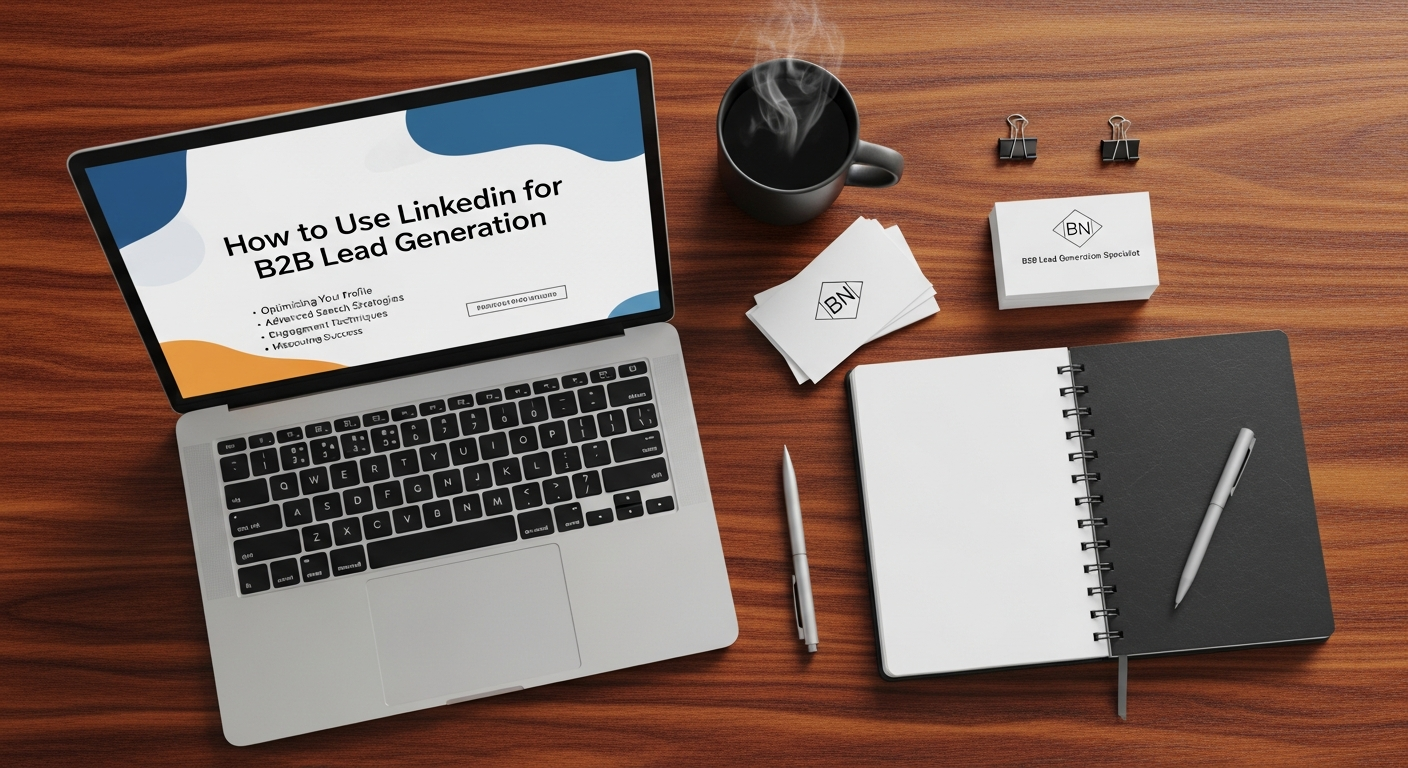
Beyond individual outreach, effective B2B lead generation on LinkedIn heavily relies on genuine engagement and community building – often referred to as social selling. This strategy moves beyond simply finding prospects to actively participating in conversations, providing value, and building relationships before any direct sales pitch. It’s about being a visible, helpful, and trusted voice within your industry, which naturally attracts potential leads.
Active participation in relevant LinkedIn Groups is a prime example of community building. Identify groups where your target audience congregates and contribute meaningfully. Share insights, answer questions, and offer advice without immediately pushing your product or service. Your goal here is to establish yourself as an expert and a valuable resource. When you consistently provide value, other members will notice, and some will inevitably check out your profile or company page. This organic discovery process often leads to warmer leads, as they’ve already experienced your expertise firsthand. However, be mindful of group rules; blatant self-promotion is often frowned upon and can lead to removal.
Another crucial aspect of engagement is actively interacting with the content shared by your connections and target prospects. Take the time to read their posts, articles, and updates, and leave thoughtful, insightful comments. Don’t just hit ‘like’; contribute to the conversation. For example, if a prospect shares an article about challenges in their industry, you might comment with a relevant statistic or a brief, helpful insight. This demonstrates that you’re paying attention, you understand their world, and you’re willing to engage in a meaningful dialogue. These interactions increase your visibility in their network and can pave the way for a more direct connection or message down the line.
Furthermore, don’t underestimate the power of direct messaging for relationship building. Once you’ve connected with a prospect, a polite, non-salesy follow-up message can initiate a conversation. Reference something specific from their profile or a recent post to make it personal. The aim is to open a dialogue, learn more about their needs, and explore potential synergies, rather than immediately launching into a sales pitch. This phased approach – from connection to engagement, and then to a conversational message – allows you to build rapport and trust, which are indispensable in B2B sales. By consistently engaging your network and contributing to the LinkedIn community, you transform your profile from a static resume into a dynamic hub for meaningful interactions and, ultimately, B2B lead generation.
Accelerating Leads with LinkedIn Advertising
While organic strategies like content marketing and social selling are highly effective, LinkedIn Advertising offers a powerful accelerator for B2B lead generation, allowing businesses to reach a highly specific audience at scale. Unlike general social media advertising, LinkedIn’s targeting capabilities are uniquely suited for B2B, enabling you to connect directly with decision-makers based on professional attributes rather than just consumer interests. This makes it an essential component of a comprehensive LinkedIn strategy for 2026.
LinkedIn provides several ad formats, each designed to achieve different objectives. Sponsored Content (single image, video, carousel, or document ads) appears natively in the LinkedIn feed, blending seamlessly with organic content. These are excellent for brand awareness, driving traffic to your website, or promoting valuable resources like whitepapers and webinars. Message Ads (formerly Sponsored InMail) allow you to send direct, personalized messages to your target audience’s LinkedIn inbox, even if you’re not connected. This format is highly effective for delivering specific calls to action, such as inviting prospects to an event or offering a free consultation. Text Ads, appearing on the right rail or top of the page, are simpler but effective for driving website traffic or promoting specific offers. Dynamic Ads personalize ads based on the viewer’s LinkedIn profile data, such as their profile picture or company name, leading to higher engagement rates for follower acquisition or content promotion.
The true power of LinkedIn Ads lies in its granular targeting options. You can target audiences based on job title, job function, industry, company name, company size, seniority, skills, interests, and even specific LinkedIn Groups they belong to. Furthermore, you can leverage Matched Audiences to upload your own list of target accounts (Account Targeting) or email addresses (Contact Targeting) for highly precise campaigns. This level of specificity ensures your ad spend is directed towards the individuals most likely to become leads, maximizing your ROI.
For direct lead capture, LinkedIn’s Lead Gen Forms are a game-changer. When a user clicks on your ad, a pre-filled form (with their LinkedIn profile data) automatically pops up, requiring just a single click to submit. This significantly reduces friction and boosts conversion rates compared to external landing pages. The leads captured through these forms can be easily downloaded or integrated directly into your CRM system. Managing and optimizing these campaigns can be resource-intensive, making it an ideal area where What Is Business Process Outsourcing can play a significant role. A BPO partner can handle ad creation, targeting, monitoring, and lead qualification, allowing your internal marketing team to focus on strategy and your sales team on closing high-quality leads generated through these accelerated channels.
Streamlining Success: Integration, Measurement, and Outsourcing for 2026
Achieving sustainable B2B lead generation success on LinkedIn, especially as we look towards 2026, requires more than just implementing individual tactics; it demands a cohesive strategy that integrates LinkedIn efforts with your broader business processes, rigorous measurement, and a willingness to leverage external expertise where it makes sense. This holistic approach ensures efficiency, scalability, and continuous improvement, directly contributing to how to improve employee productivity across your sales and marketing functions.
Integration with Your CRM System: The leads you generate on LinkedIn are only valuable if they are properly captured, nurtured, and tracked. Integrating LinkedIn Sales Navigator, Lead Gen Forms, and even your organic outreach efforts with your Customer Relationship Management (CRM) system is paramount. This ensures that every lead is automatically entered into your sales pipeline, assigned to the correct salesperson, and moves through your defined lead nurturing sequence. Manual data entry is not only prone to errors but also a significant drain on productivity. Automation through integration frees up your sales team to focus on what they do best: building relationships and closing deals.
Measuring What Matters: To optimize your LinkedIn lead generation strategy, you must continuously measure your performance. Beyond vanity metrics like likes and shares, focus on key performance indicators (KPIs) that directly impact your business goals. These include: profile views by target audience, connection request acceptance rates, InMail response rates, lead gen form submission rates, cost per lead (for paid campaigns), lead-to-opportunity conversion rates, and ultimately, LinkedIn-attributed revenue. Utilize LinkedIn’s analytics tools for your company page and campaign manager, and cross-reference with your CRM data to get a comprehensive view. Regular A/B testing of your content, ad creatives, and messaging will help you understand what resonates best with your audience, allowing for data-driven adjustments.
The Strategic Role of Business Process Outsourcing (BPO): For many B2B companies, particularly those looking to scale rapidly or operate with lean internal teams, leveraging What Is Business Process Outsourcing can be a strategic advantage in LinkedIn lead generation. BPO partners can manage various aspects of your LinkedIn strategy, from content creation and scheduling for your company page to managing LinkedIn advertising campaigns, conducting targeted Sales Navigator prospecting, and even initial lead qualification. By outsourcing these repetitive or specialized tasks, you can significantly improve employee productivity within your core team, allowing them to focus on high-value activities like strategic planning, complex negotiations, and building deeper client relationships. A BPO firm specializing in digital marketing or sales support can bring expertise, advanced tools, and dedicated resources, ensuring your LinkedIn efforts are consistently executed at a high level and optimized for the best possible results. This strategic partnership can provide the agility and scalability needed to stay ahead in the competitive B2B landscape of 2026.
Frequently Asked Questions
Recommended Resources
Check out Fire Financial Independence Retire Early Guide on Trading Costs for a deeper dive.
Learn more about this topic in Etf Vs Mutual Funds Differences Explained at Fin3go.