
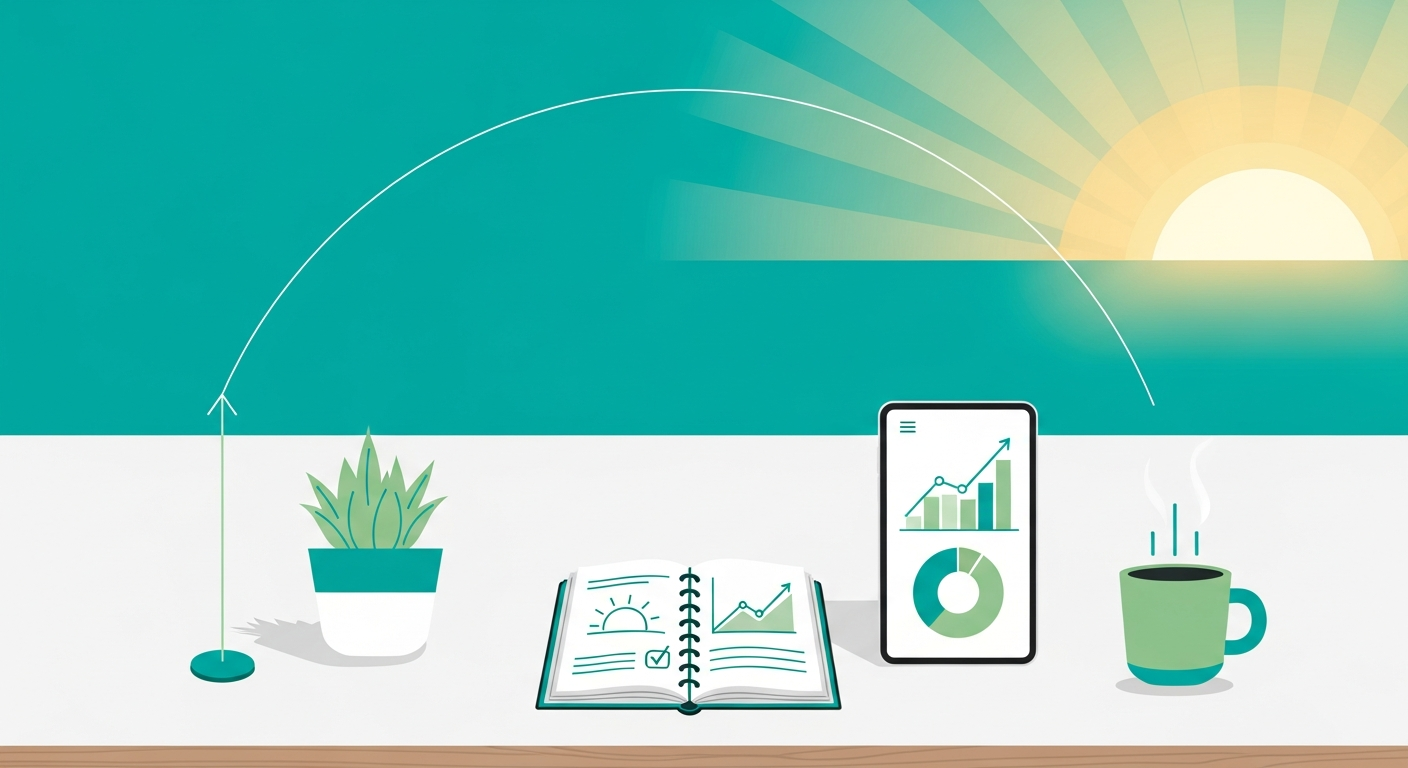
Master Your Morning: The 2026 Guide to Peak Energy, Financial Clarity, and Life Mastery
The world of 2026 moves at a breakneck pace. With the total integration of AI into our professional lives, a fluctuating global economy, and the constant hum of the digital landscape, the most valuable asset you possess isn’t your crypto portfolio or your resume—it’s your cognitive energy. For young adults looking to bridge the gap between “getting by” and “getting ahead,” the first 120 minutes of the day are the ultimate leverage point. A well-crafted morning routine isn’t just about feeling “refreshed”; it is a strategic framework designed to optimize your brain for high-stakes decision-making, financial discipline, and sustained physical vitality. If you want to dominate 2026, you cannot afford to wake up reactively. You must wake up with an architecture for success. This guide explores the science-backed protocols and modern life skills required to transform your mornings into a powerhouse of productivity.
1. The Biohacking Blueprint: Optimizing Circadian Rhythms for 2026
In 2026, we understand more about human biology than ever before, specifically the role of the circadian rhythm in regulating cortisol and melatonin. To achieve peak energy, your routine must begin with biological synchronization. The moment you wake up, your primary goal is to signal to your brain that the day has begun.
**View Sunlight Within 30 Minutes:**
In our hyper-digital era, we often substitute natural light with the blue light of our smartphones. This is a mistake. Natural sunlight triggers the release of cortisol—a “wakefulness” hormone—and sets a timer for melatonin production later in the evening. If you live in a climate with dark mornings, 2026 technology offers high-lux SAD lamps or wearable light-therapy glasses that mimic the solar spectrum.
**Temperature Regulation:**
Your body temperature naturally rises as you wake. You can accelerate this process and trigger a dopamine spike by taking a cold shower or using a cold plunge. For the budget-conscious young adult, a 60-second blast of cold water at the end of your shower is a “free” biohack that increases mental alertness and metabolic rate, providing an energy surge that lasts for hours without the jitteriness of excess caffeine.
**Delayed Caffeine Consumption:**
By 2026, the “first thing coffee” habit is being replaced by the “90-minute rule.” Drinking caffeine immediately upon waking interferes with the natural clearance of adenosine (the chemical that makes you feel sleepy). By waiting 90 minutes, you allow your body to naturally clear the sleep fog, ensuring that when the caffeine hits, it provides a clean lift rather than a temporary mask for exhaustion that leads to a 2:00 PM crash.
2. The Financial Power Hour: Investing in Your Future Self
For young adults in 2026, financial literacy is not a hobby; it is a survival skill. The “Financial Power Hour” is a dedicated block within your morning routine where you focus on wealth-building activities before the demands of your employer take over.
**Audit Your Accounts:**
Spend ten minutes reviewing your transactions from the previous day. In a world of micro-subscriptions and automated payments, “leakage” is common. Use AI-driven budgeting tools to categorize your spending. Seeing where your money goes daily creates a psychological barrier against impulsive spending later in the day.
**Skill Acquisition (The High-Income Skill):**
The economy of 2026 rewards specialized knowledge. Dedicate 30 to 45 minutes of your morning to learning a high-income skill—whether it’s prompt engineering, advanced data analytics, or financial modeling. When you prioritize self-education before your “9-to-5,” you are essentially paying yourself first. This is how you escape the “quiet desperation” of a stagnant salary.
**Portfolio Management:**
Whether you are invested in index funds, real estate, or emerging tech, the morning is the time for a calm, rational check-in. Avoid the “doom-scrolling” of market volatility. Instead, focus on your long-term strategy. Read one deep-dive financial report or listen to a macro-economic podcast. Knowledge is the ultimate hedge against market uncertainty.
3. Neuro-Nutrition: Fueling the 2026 Brain
What you eat in the morning dictates your insulin sensitivity and cognitive clarity for the rest of the day. The “traditional” breakfast of sugary cereals or pastries is an energy death sentence, leading to brain fog and lethargy.
**The Protein-First Protocol:**
Aim for 30–50 grams of protein in your first meal. Protein stabilizes blood sugar and provides the amino acids necessary for neurotransmitter production. In 2026, we prioritize “brain fuels” like eggs, smoked salmon, or plant-based isolates fortified with Omega-3s.
**Hydration with Electrolytes:**
You wake up dehydrated. Drinking plain water is often not enough to restore the cellular balance needed for peak neural firing. Adding a pinch of sea salt or a high-quality electrolyte powder ensures that your nervous system has the sodium, magnesium, and potassium required to function. Think of it as “watering” your brain.
**Nootropics and Supplements:**
While a balanced diet is foundational, many high-performers in 2026 use targeted supplementation. Magnesium L-threonate for cognitive function, Vitamin D3 for mood regulation, and Lion’s Mane mushroom for focus are staples. However, for the young adult on a budget, the most effective “supplement” remains consistent sleep and hydration.
4. Movement as Medicine: From Micro-Workouts to Zone 2 Training
You don’t need a two-hour gym session at 5:00 AM to be successful. In fact, in 2026, “movement snacks” and efficient cardio are the preferred methods for those balancing multiple side hustles and careers.
**The 10-Minute Movement Snack:**
If you are pressed for time, a 10-minute circuit of bodyweight exercises (push-ups, lunges, planks) is enough to increase blood flow to the prefrontal cortex. This isn’t about hypertrophy; it’s about oxygenating your brain.
**Zone 2 Cardio for Longevity:**
If you have more time, engaging in “Zone 2” training—exercise where you can still hold a conversation but are slightly breathless—is the gold standard for mitochondrial health. A 20-minute brisk walk or a light cycle session improves your aerobic base, which directly correlates to your ability to handle stress during a high-pressure workday.
**The “Walk and Talk” Strategy:**
For the young professional, use your morning movement to multitask. Listen to an educational audiobook or a financial news briefing while you walk. This combines physical health with life-skill acquisition, a hallmark of the 2026 productivity meta.
5. Safeguarding Your Attention: Mindfulness in a Hyper-Digital Age
In 2026, attention is the most sought-after commodity. Advertisers, social media algorithms, and AI agents are all fighting for a piece of your focus. If the first thing you do is check your notifications, you have already lost the day.
**The No-Phone Zone:**
Keep your phone in a separate room for the first hour of the day. This prevents the “reactive brain” from taking over. When you check email or social media immediately, you are letting other people’s priorities dictate your mental state.
**AI-Assisted Meditation:**
Meditation has evolved. In 2026, we use biofeedback wearables or AI-guided apps that adjust the meditation track based on our heart rate variability (HRV). Even five minutes of intentional breathing can lower your baseline cortisol, making you more resilient when financial or professional stressors inevitably arise later in the day.
**Visualization and Intentionality:**
Take two minutes to visualize your “Top 3” for the day. These are the three tasks that, if completed, would make the day a success. For a young adult, one of these should always be related to a long-term life goal—such as researching a first home purchase or finalizing a freelance project.
6. Designing Your Personalized 2026 Morning Stack
There is no one-size-fits-all routine. The “perfect” routine is the one you actually do. Here is how to build your “stack” based on your current life stage:
* **The “Hustler” Stack (Focused on Growth):** 30 mins skill acquisition + 10 mins financial audit + 20 mins high-intensity interval training (HIIT) + High-protein breakfast.
* **The “Zen-Seeker” Stack (Focused on Mental Health):** 20 mins meditation + 30 mins Zone 2 walking + journaling + light hydration and fruit.
* **The “Corporate Athlete” Stack (Focused on Performance):** Cold shower + 90-minute deep work block + 10-minute stretching + delayed caffeine.
The key to a 2026 routine is **modularity**. If you have a late night or a travel day, have a “minimum viable routine” (MVR) that consists of just sunlight, hydration, and five minutes of planning. Consistency beats intensity every single time.
***
FAQ: Navigating Morning Routines in 2026
**Q1: What if I’m naturally a “night owl”? Can I still have a peak energy routine?**
Absolutely. While the “5 AM Club” is popular, 2026 science emphasizes *consistency* over specific times. If your chronotype makes you more productive at night, your “morning” routine begins whenever you wake up. The principles remain the same: light exposure, hydration, and avoiding digital distractions for the first hour.
**Q2: I live in a small apartment/studio. How can I do these routines without space?**
Space is not a barrier to peak energy. You can view sunlight by standing at a window or on a balcony. “Movement snacks” like yoga or calisthenics require only the space of a yoga mat. For the financial hour, all you need is your laptop or tablet and a pair of noise-canceling headphones to create a “digital office.”
**Q3: Isn’t all this biohacking expensive? How does this fit a young adult’s budget?**
The most effective habits in this guide are actually free: sunlight, cold water from your tap, bodyweight movement, and *not* using your phone. In 2026, the trend is “minimalist biohacking.” You don’t need a $5,000 smart bed; you need a consistent sleep schedule and a focused mind.
**Q4: How do I stick to a routine when my work schedule is hybrid or unpredictable?**
This is where the “Minimum Viable Routine” (MVR) comes in. Identify the 2-3 non-negotiables that give you the most “bang for your buck”—usually hydration and planning your day. Even if you have to rush to an office, you can do your financial audit on the train or view sunlight during your commute.
**Q5: Can I use AI to help manage my morning routine?**
Yes! In 2026, many young adults use AI personal assistants to automate the mundane parts of their morning. Have your AI summarize the overnight financial news, curate a “focus” playlist, or even remind you when it’s the optimal time to drink your first coffee based on your sleep data.
***
Conclusion: The Compound Interest of Your Morning
As we navigate 2026, the distinction between those who thrive and those who merely survive is found in their daily habits. A morning routine designed for peak energy and financial clarity is not a luxury—it is a strategic necessity. By aligning your biological needs with your long-term goals, you create a positive feedback loop. When you have more energy, you make better financial decisions. When you make better financial decisions, you reduce stress. When you reduce stress, you sleep better and wake up with even more energy.
Start small. Choose one element from the biohacking blueprint and one from the financial power hour. Master them over the next 30 days. In the fast-paced landscape of 2026, the greatest life skill you can develop is the ability to master yourself before the rest of the world wakes up. Your future self is counting on the work you do in the first hour of today. Don’t hit snooze on your potential.