
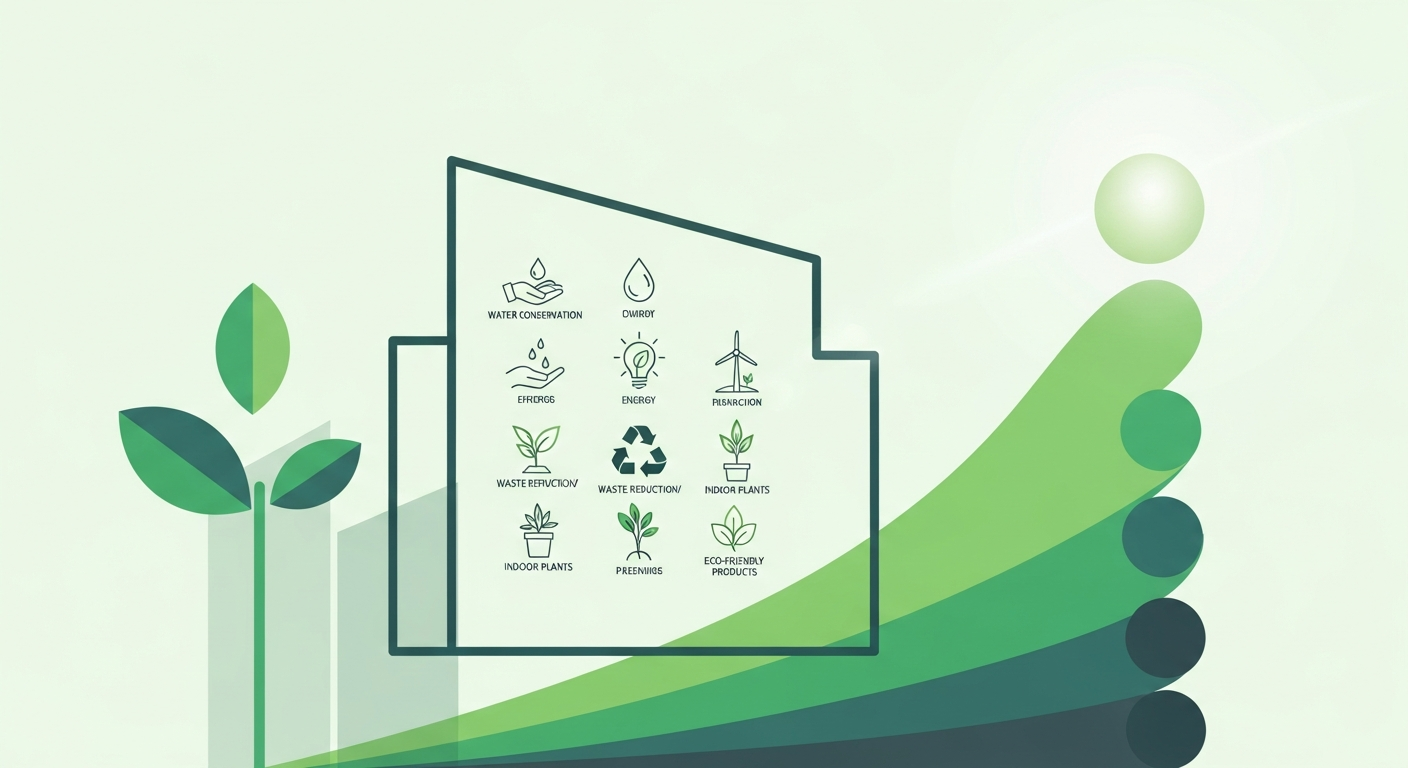
The Ultimate Guide to Sustainable Living Tips for Apartments in 2026
Entering your twenties and thirties often feels like a balancing act between achieving financial independence and trying to live according to your values. For many young adults, the dream of a “green” lifestyle feels synonymous with owning a homestead, installing solar panels, or having a massive backyard garden. However, as urban living becomes the norm in 2026, the reality for most of us is a one-bedroom apartment or a shared rental.
The good news? Sustainable living isn’t about the square footage you own; it’s about the intentionality of your daily habits. In fact, apartment living is inherently more sustainable than suburban living due to shared resources and smaller footprints. By adopting a few strategic life skills, you can drastically reduce your environmental impact while simultaneously padding your savings account. This guide explores practical, budget-friendly sustainable living tips for apartments that prove you don’t need a backyard to change the world.
—
1. Mastering Energy Efficiency in Small Spaces
One of the most immediate benefits of sustainable living is the impact it has on your utility bills. In an apartment, you might not be able to swap out the HVAC system, but you have significant control over how energy is consumed within your four walls.
#
Eliminate “Vampire” Power
Did you know that electronics continue to draw power even when they are turned off? This is known as “vampire energy” or standby power. For a young adult looking to shave $10–$20 off their monthly bill, smart power strips are a game-changer. These strips automatically cut power to devices like your TV, gaming console, or coffee maker when they aren’t in use.
#
Optimize Your Windows
In 2026, we are seeing more extreme weather patterns, making climate control essential. Instead of cranking the AC or heater, use your window treatments as a manual thermostat. During the summer, keep blackout curtains closed during the day to block out solar heat. In the winter, open them during the day to let the sun warm your space, then close them at night to add an extra layer of insulation.
#
The LED Transition
If your landlord still uses old incandescent bulbs, consider swapping them for LEDs. LED bulbs use up to 75% less energy and last 25 times longer. While there is a small upfront cost, the longevity and energy savings make this one of the most effective financial and environmental life skills you can develop. Just remember to keep the original bulbs in a box to swap back when you move out!
—
2. Low-Waste Grocery Shopping and Conscious Cooking
Food waste is one of the largest contributors to methane emissions in landfills, and for a young professional, it’s also a massive drain on finances. Shifting toward a sustainable kitchen is about two things: how you buy and how you store.
#
The Power of Bulk Buying
Most modern apartments are located near co-ops or grocery stores that offer bulk bins. By bringing your own reusable glass jars or cloth bags, you can buy exactly the amount of rice, pasta, or spices you need. This eliminates unnecessary plastic packaging and prevents you from buying a giant bag of a specific flour you’ll only use once.
#
Meal Prepping with a Purpose
Meal prepping is often touted as a fitness hack, but it’s actually a premier sustainability tool. By planning your meals for the week, you ensure that every vegetable in your crisper drawer has a destiny. This prevents the “forgotten spinach” phenomenon where greens turn to slime before they can be eaten. Focus on “root-to-stem” cooking—using broccoli stalks for stir-fries or potato skins for homemade chips—to maximize your grocery investment.
#
Reducing Single-Use Plastics
Ditch the plastic wrap and sandwich bags. Investing in beeswax wraps or silicone Stasher bags is a one-time purchase that pays for itself within months. Not only do these keep your food fresher for longer, but they also keep microplastics out of your diet and the ocean.
—
3. Indoor Gardening and Apartment Composting
Many young adults assume that if they don’t have a yard, they can’t participate in the circular economy of food. That simply isn’t true in 2026. Urban agriculture has evolved, making it easier than ever to grow your own food and manage waste in small spaces.
#
The Windowsill Herb Garden
If you’ve ever paid $4 for a plastic clamshell of wilted basil, you know how expensive fresh herbs can be. A windowsill herb garden is the perfect entry point for apartment dwellers. Mint, basil, chives, and rosemary thrive in pots and require minimal space. This is a vital life skill that teaches you the rhythm of growth while providing zero-waste flavor for your meals.
#
Countertop Composting: The Bokashi Method
Traditional composting requires a large, aerated bin and plenty of “brown” material (like dried leaves), which isn’t feasible in a third-floor walk-up. Enter the Bokashi bin. This Japanese method uses a specialized bran to ferment organic waste in an airtight container. It’s odorless, fits under a kitchen sink, and can break down meat and dairy—items traditional composters can’t touch. Once fermented, you can donate the “pickled” waste to a local community garden or use it to feed your houseplants.
#
Vertical Gardening
If you have a balcony, stop thinking horizontally and start thinking vertically. Using tiered planters or hanging pots allows you to grow nutrient-dense greens like kale and spinach. This reduces your “food miles” (the distance food travels to reach you) to zero.
—
4. Eco-Friendly Cleaning and Personal Care
The “under-the-sink” clutter is a common sight in many apartments: dozens of plastic bottles filled with harsh chemicals. Transitioning to sustainable cleaning is better for your lungs, your wallet, and the planet.
#
The DIY Cleaning Kit
Most household cleaning tasks can be solved with three simple ingredients: white vinegar, baking soda, and castile soap.
* **All-Purpose Cleaner:** Mix equal parts water and vinegar with a few drops of essential oil.
* **Scrubbing Paste:** Mix baking soda with a little water to tackle tub grime.
* **Dish Soap:** Diluted peppermint castile soap works wonders.
By making your own cleaners, you eliminate the need for specialized products and the plastic waste that comes with them.
#
The Low-Waste Bathroom
Personal care is an area where “greenwashing” is rampant. To truly live sustainably, look for “naked” products. Switch to bar soap, bar shampoo, and bar conditioner. These products last significantly longer than their liquid counterparts and come in compostable paper or no packaging at all. Additionally, consider a bamboo toothbrush or a safety razor. A metal safety razor is a “buy-it-for-life” item; you only ever replace the recyclable steel blade, saving hundreds of dollars over your lifetime compared to disposable plastic cartridges.
—
5. Sustainable Decor and Furnishing
When moving into a new apartment, the temptation to buy “fast furniture” from big-box retailers is high. However, these pieces are often made of particle board and formaldehyde-laden glues that don’t survive a second move.
#
The Second-Hand First Rule
In 2026, the secondary market is more accessible than ever. Before buying something new, check Facebook Marketplace, Buy Nothing groups, or local thrift stores. Not only will you find unique, high-quality wood pieces for a fraction of the retail price, but you’re also keeping furniture out of landfills. Thrifting is a financial superpower; it allows you to curate a high-end “aesthetic” on a post-grad budget.
#
Quality Over Quantity
If you must buy new, look for certifications like FSC (Forest Stewardship Council) or Fair Trade. Focus on buying one “forever” piece a year rather than an entire room of cheap items. Sustainable living is about slowing down the consumption cycle and valuing the items we bring into our sanctuaries.
#
Upcycling as a Skill
Learning to sand a table or change the knobs on a dresser is a valuable life skill. It allows you to take a “trash” find and turn it into a statement piece. This “maker” mindset is the antithesis of the throwaway culture that dominates the modern world.
—
6. Water Conservation and Mindful Consumption
Water scarcity is an increasing concern globally. While you might not pay the water bill directly in some rentals, conserving water is a core pillar of ethical living.
#
Low-Flow Upgrades
You can replace your showerhead with a low-flow version for under $20. These heads maintain high pressure while using significantly less water. Like the LED bulbs, just keep the original showerhead to reinstall when your lease ends.
#
The “48-Hour” Rule
Sustainability is as much about psychology as it is about hardware. We live in an era of “one-click” ordering that leads to clutter and debt. Practice the 48-hour rule: if you see something you want to buy (that isn’t a necessity), wait 48 hours before hitting “purchase.” More often than not, the impulse fades, saving you money and preventing the manufacturing and shipping emissions associated with that product.
—
FAQ: Sustainable Living in Apartments
**Q1: Is sustainable living more expensive for someone on a tight budget?**
Actually, it’s quite the opposite. Most sustainable habits—like meal prepping, DIY cleaning, energy conservation, and buying second-hand—are designed to save money. While some items like high-quality reusable bags or water filters have an upfront cost, they pay for themselves by eliminating the need for recurring purchases.
**Q2: My landlord won’t let me make changes. Can I still be sustainable?**
Absolutely. Most of the tips in this guide, such as using smart power strips, composting with the Bokashi method, and shopping second-hand, require zero structural changes to your apartment. Sustainability is about your behavior within the space, not the space itself.
**Q3: Does apartment composting smell?**
If done correctly, no. Methods like Bokashi involve fermentation in an airtight container, which prevents rot and odors. For traditional scrap collection, keeping your compost bin in the freezer until you take it to a drop-off point is a foolproof way to prevent smells and fruit flies.
**Q4: What is the single most impactful change I can make?**
Reducing your consumption of animal products and minimizing food waste are generally considered the two most impactful personal changes. In an apartment setting, being mindful of your energy and water usage follows closely behind.
**Q5: How do I find local resources for sustainable living?**
Download apps like “ShareWaste” to find neighbors who want your compost, or join “Buy Nothing” groups on social media to trade items for free. Many cities in 2026 also have “tool libraries” where you can borrow items you only need once, rather than buying them.
—
Conclusion: Building a Greener Future from Your Living Room
Sustainable living in an apartment is not about perfection; it’s about progress. As a young adult in 2026, you are part of a generation that is redefining what it means to live well. By mastering these life skills—from DIY cleaning to energy management—you are doing more than just reducing your carbon footprint. You are building a lifestyle that is financially resilient, clutter-free, and deeply intentional.
Start small. This week, perhaps you’ll swap your plastic dish sponge for a wooden brush or find your first “new” coffee table at a thrift store. These small victories compound over time. As you grow in your career and your life, these sustainable habits will remain the foundation of a life lived with purpose. Your apartment may be temporary, but the impact of your choices is lasting. Embrace the challenge of small-space sustainability, and watch as your bank account—and the planet—reap the rewards.