Understanding the Paradigm Shift: What is Account-Based Marketing (ABM)?
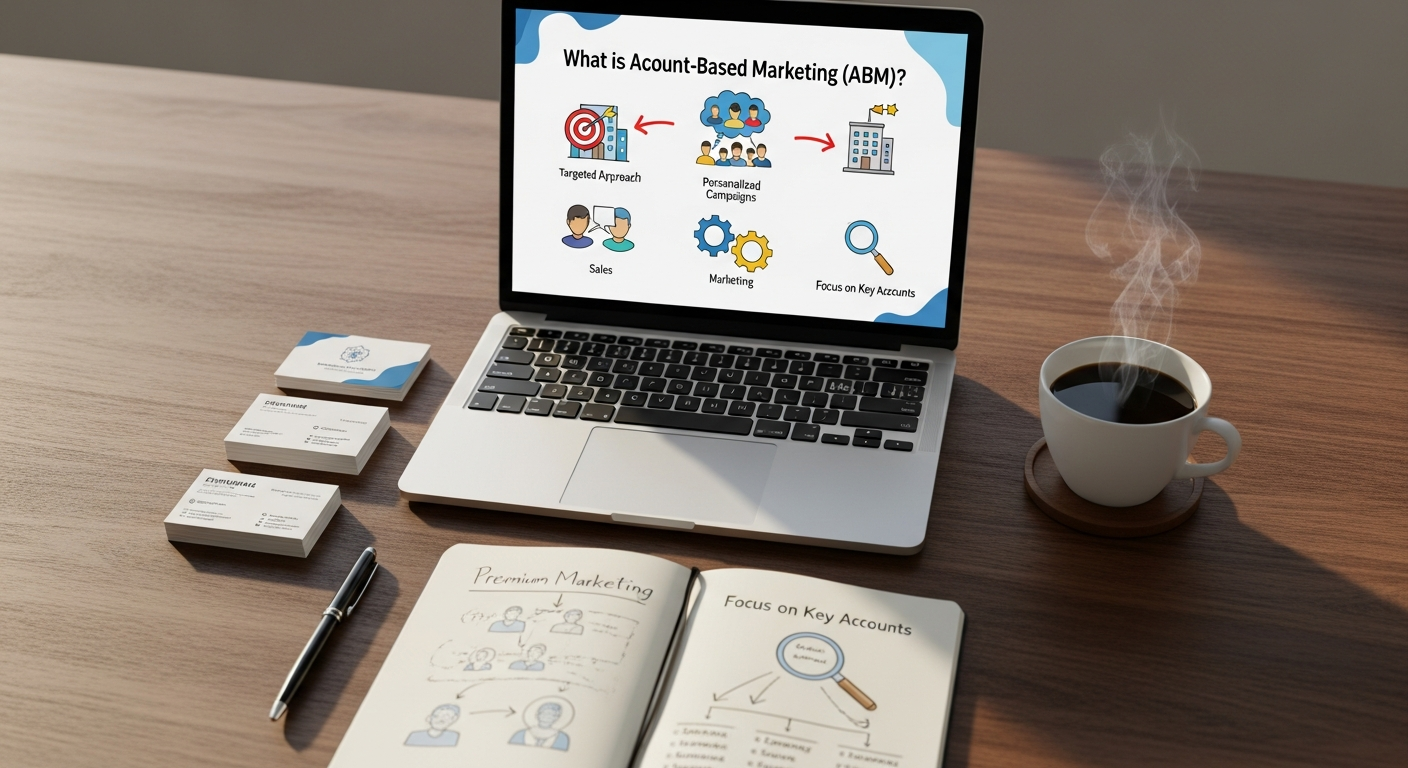
At its heart, Account-Based Marketing (ABM) is a strategic growth methodology that aligns sales and marketing teams to target specific high-value accounts with highly personalized campaigns. Unlike traditional inbound marketing, which casts a wide net to attract as many leads as possible, ABM flips the funnel. Instead of waiting for leads to come to you, you proactively identify your ideal customer profiles (ICPs) – the companies that represent the highest potential lifetime value – and then craft tailored experiences to engage them directly. Think of it as a sniper rifle versus a shotgun; ABM is about precision targeting.
The core philosophy of ABM is built on the understanding that not all customers are created equal. In the B2B world, a handful of key accounts can often represent a significant portion of a company’s revenue. ABM acknowledges this reality by concentrating resources on those specific accounts most likely to benefit from your offerings and, consequently, deliver substantial revenue back to your business. This focused approach ensures that every marketing dollar and sales effort is directed towards opportunities with the highest probability of conversion and long-term success.
Historically, B2B sales and marketing operated in silos. Marketing would generate leads, pass them over the wall to sales, and sales would then qualify and pursue them. This often led to misalignment, wasted resources on unqualified leads, and friction between departments. ABM, however, demands and fosters deep collaboration. It requires sales and marketing to work hand-in-hand from the very beginning: identifying target accounts, researching key stakeholders, crafting personalized messages, and coordinating outreach across multiple channels. This integrated approach ensures a consistent and compelling experience for the target account, making the entire journey from initial contact to closed deal much smoother and more effective.
In essence, ABM is not just a tactic; it’s a strategic framework that redefines how B2B organizations approach market engagement. It prioritizes quality over quantity, personalization over generalization, and deep, collaborative alignment over departmental silos. For businesses looking to optimize their sales cycle, increase deal sizes, and build stronger, more lasting relationships with their most profitable clients, understanding and implementing ABM is no longer optional—it’s imperative for sustained growth in the competitive landscape of 2026.
The Core Principles and Components of a Successful ABM Strategy
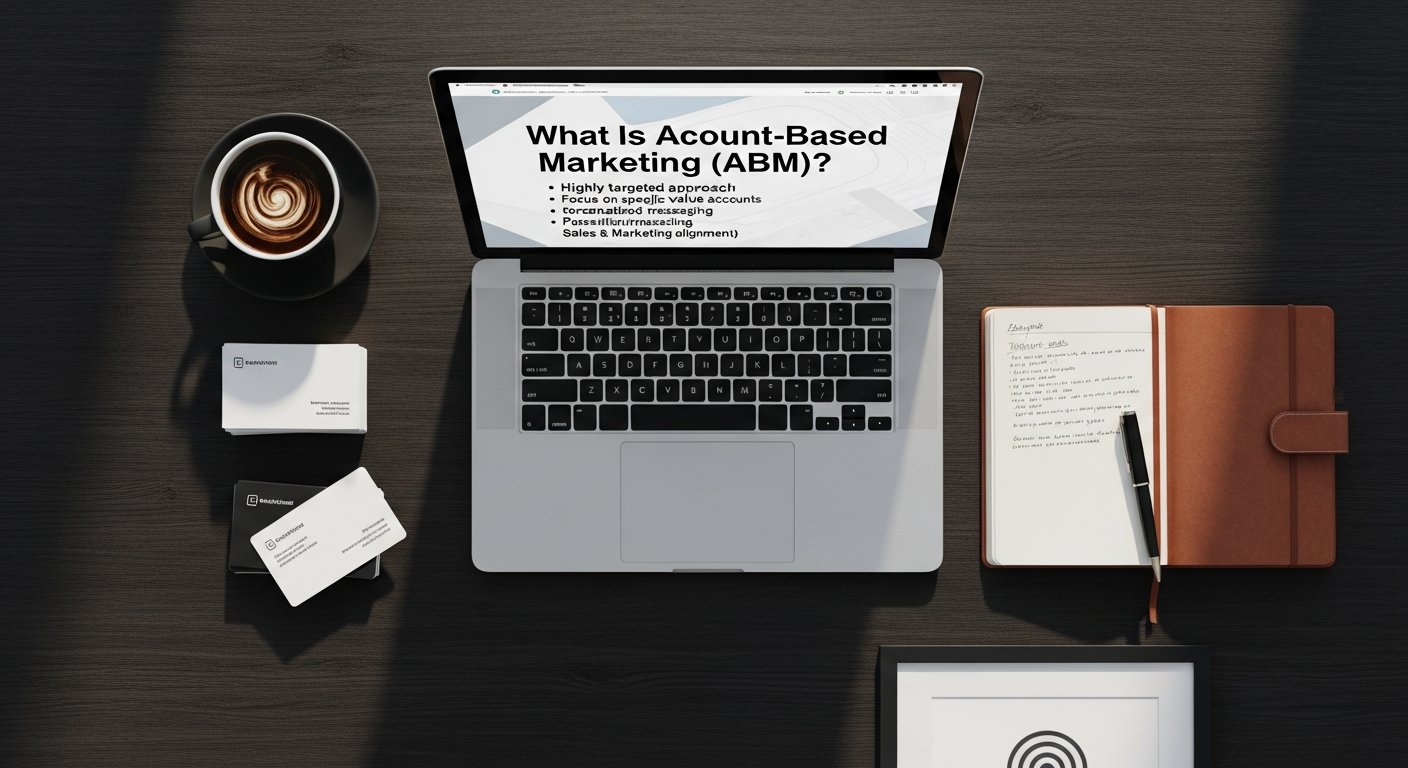
Implementing a successful Account-Based Marketing strategy requires adherence to several core principles and the meticulous execution of specific components. These elements work in concert to ensure that your ABM efforts are not just targeted, but also impactful and efficient.
1. Hyper-Targeted Account Identification
The first and arguably most critical step in ABM is defining your Ideal Customer Profile (ICP) and subsequently identifying your target accounts. This isn’t just about company size or industry; it involves a deep dive into factors like:
- Firmographics: Industry, company size, revenue, location.
- Technographics: Technologies they currently use (e.g., CRM, ERP, marketing automation platforms).
- Psychographics/Behavioral: Growth stage, recent funding rounds, public announcements, pain points they are likely experiencing, strategic initiatives.
- Engagement History: Past interactions with your brand, content consumption, website visits (even if they didn’t convert).
Tools leveraging artificial intelligence and machine learning can analyze vast datasets to pinpoint accounts that mirror your most successful existing customers, making this process more precise. This initial identification process ensures that every subsequent effort is focused on accounts with the highest propensity to buy and the greatest potential for long-term value.
2. Deep Account Research and Insight Gathering
Once target accounts are identified, the next step is to conduct thorough research on each one. This goes beyond surface-level information and aims to understand:
- Organizational Structure: Key decision-makers, influencers, gatekeepers, and their roles.
- Business Challenges and Goals: What keeps them up at night? What are their strategic objectives for 2026?
- Personalized Pain Points: How do these challenges manifest for specific individuals within the organization?
- Competitive Landscape: Who are their current vendors? What solutions are they already using?
- Company Culture and Values: How do they operate? What resonates with them?
This detailed intelligence forms the foundation for hyper-personalization, allowing your teams to craft messages that genuinely resonate with the account and its stakeholders. It’s about understanding their world before you attempt to enter it.
3. Personalized Content and Messaging
With deep account insights in hand, the focus shifts to creating tailored content and messaging. This is where ABM truly shines. Instead of generic whitepapers or case studies, ABM campaigns involve:
- Customized Landing Pages: Featuring the company’s logo, industry-specific data, and relevant solutions.
- Personalized Emails and Outreach: Addressing specific challenges uncovered during research, referencing their recent news or strategic moves.
- Tailored Case Studies: Highlighting how similar companies have benefited from your solutions.
- Direct Mail Campaigns: Thoughtful, personalized gifts or resources that demonstrate genuine understanding.
- Webinars and Events: Focused on topics highly relevant to the target account’s industry or specific pain points.
The goal is to make the account feel like the campaign was built exclusively for them, establishing relevance and building trust from the very first interaction.
4. Sales and Marketing Alignment (Smarketing)
Perhaps the most foundational principle of ABM is the seamless integration and collaboration between sales and marketing teams. This alignment, often dubbed “Smarketing,” ensures that:
- Both teams agree on the target account list.
- They share common goals and KPIs for ABM success.
- Marketing provides sales with the necessary personalized content and insights.
- Sales provides marketing with real-time feedback on account engagement and progression.
- Communication is continuous and open, ensuring a unified front in engaging the account.
Without strong Smarketing alignment, ABM efforts are destined to falter. It requires shared platforms, regular meetings, and a joint commitment to the account’s success. This collaboration also has a direct impact on how to improve employee productivity, as resources are no longer wasted on misaligned efforts but are instead channeled towards high-impact activities.
5. Multi-Channel Orchestration and Execution
ABM campaigns are rarely single-channel. They involve a coordinated approach across various touchpoints to ensure consistent exposure and engagement. This can include:
- Email campaigns
- LinkedIn and other social media outreach
- Programmatic display advertising (IP-based targeting)
- Direct mail
- Personalized phone calls and voicemails
- Virtual or in-person events
The orchestration of these channels is crucial, ensuring that the account receives a cohesive and cumulative message, rather than disparate, uncoordinated attempts at engagement. The timing and sequence of these interactions are carefully planned to guide the account through a personalized buyer’s journey.
6. Measurement and Optimization
Like any strategic initiative, ABM requires continuous measurement and optimization. Key metrics for ABM success extend beyond traditional lead generation and include:
- Account Engagement: Website visits from target accounts, content downloads, email opens/clicks, meeting requests.
- Pipeline Velocity and Value: How quickly target accounts move through the sales cycle, and the average deal size.
- Win Rates: Percentage of target accounts that convert to customers.
- Customer Lifetime Value (CLTV): The long-term value generated from successfully acquired ABM accounts.
- ROI: The return on investment for ABM-specific campaigns.
Regular analysis of these metrics allows teams to identify what’s working, what’s not, and make data-driven adjustments to refine their strategy, ensuring continuous improvement and maximum impact.
By diligently adhering to these principles and executing these components, businesses can construct a robust ABM strategy that not only attracts but also converts and retains their most valuable customers, setting a strong foundation for growth in 2026.
Why ABM Matters: Unpacking the Benefits for B2B Businesses
1. Higher Return on Investment (ROI)
One of the most significant advantages of ABM is its proven ability to deliver a superior ROI compared to traditional marketing approaches. By focusing resources on a select group of high-value accounts, businesses minimize wasted effort on unqualified leads. Every marketing dollar and sales hour is directed towards prospects with a high likelihood of conversion and substantial lifetime value. This precision targeting means less spending on broad campaigns that yield low-quality leads and more investment in personalized engagement that drives deals. The result is often larger deal sizes, faster sales cycles, and a more efficient allocation of marketing and sales budgets.
2. Improved Sales and Marketing Alignment
As discussed, ABM inherently demands and fosters deep collaboration between sales and marketing. This alignment eliminates the traditional friction points that often arise when teams work in silos. Both departments share a common understanding of target accounts, their needs, and the overall strategy for engaging them. This synergy leads to a more cohesive customer experience, consistent messaging, and a unified approach to revenue generation. When sales and marketing are truly aligned, it not only improves the customer journey but also significantly boosts internal employee productivity by streamlining workflows and reducing redundant efforts.
3. Shorter Sales Cycles
Traditional B2B sales funnels can be notoriously long and complex, especially for enterprise deals. ABM helps to compress these cycles by focusing on accounts that are already a good fit for your solution. The personalized outreach and relevant content accelerate the buyer’s journey, addressing specific pain points and demonstrating value much earlier in the process. By engaging multiple stakeholders within the target account simultaneously with tailored messages, ABM helps build consensus and move prospects through the pipeline more efficiently. This often leads to quicker decision-making and faster deal closures, directly impacting revenue velocity.
4. Increased Deal Sizes and Customer Lifetime Value (CLTV)
ABM targets accounts that have been pre-qualified for their potential value. This means you’re not just closing more deals, but you’re closing bigger, more profitable deals. Furthermore, the highly personalized and relationship-driven nature of ABM often results in stronger, more enduring customer relationships. By truly understanding an account’s needs and consistently delivering value, businesses can foster loyalty, increase retention rates, and identify opportunities for upsells and cross-sells over time. This leads to a higher Customer Lifetime Value, ensuring sustained revenue streams long after the initial sale.
5. Enhanced Personalization and Customer Experience
In an age where buyers expect tailored experiences, ABM delivers precisely that. By treating each target account as a unique market, businesses can craft messages, content, and interactions that are hyper-relevant to their specific challenges, goals, and industry. This level of personalization cuts through the noise of generic marketing, making prospects feel understood and valued. A superior customer experience, driven by personalized engagement, builds trust and rapport, differentiating your brand in a crowded marketplace and making the buying decision much easier for the target account.
6. Better Use of Resources and Scalability
ABM ensures that valuable sales and marketing resources are invested wisely, focusing on the highest-potential accounts. This strategic allocation minimizes wasted effort and maximizes impact. While ABM starts with a highly focused approach, its methodologies and insights can be scaled. Once successful frameworks are established for specific ICPs, they can be replicated and adapted to target similar segments or expand into new high-value markets. This efficiency in resource utilization can also tie into broader operational strategies, such as considering what is business process outsourcing to offload non-core activities, allowing internal teams to double down on strategic ABM initiatives.
For B2B companies navigating the complexities of modern markets, ABM is not just a marketing tactic; it’s a strategic framework that drives efficiency, fosters alignment, and delivers tangible financial results. Embracing ABM in 2026 positions your business for smarter growth, stronger relationships, and a more predictable revenue pipeline.
Building Your ABM Framework: A Step-by-Step Implementation Guide
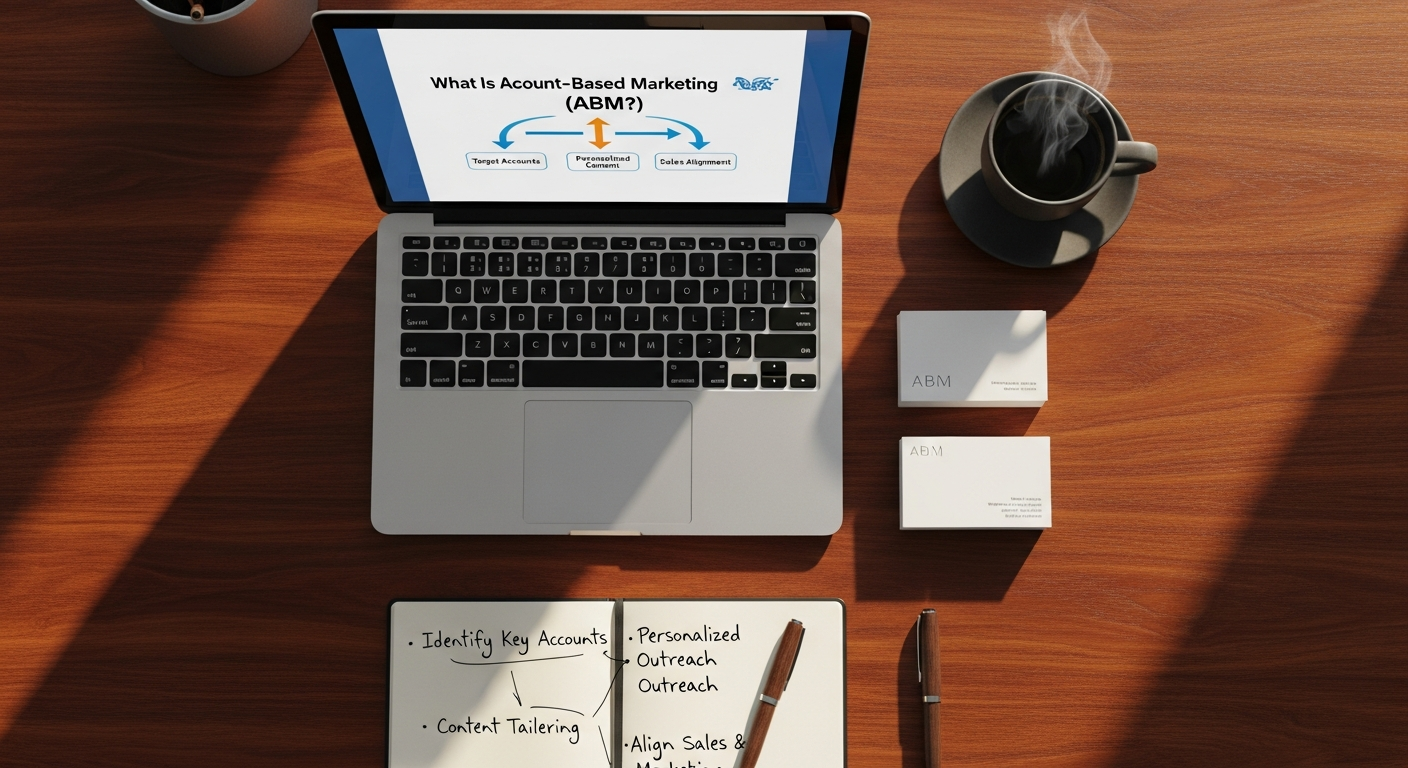
Embarking on an Account-Based Marketing journey requires a structured approach. It’s not a switch you flip, but rather a methodology you build and refine over time. This step-by-step guide provides a roadmap for establishing a robust ABM framework within your organization, ensuring you’re ready to execute high-impact campaigns in 2026.
Step 1: Define Your Ideal Customer Profile (ICP) and Target Accounts
This is the foundation of your entire ABM strategy. Start by looking inward:
- Analyze Your Best Customers: Who are your most profitable, loyal, and easy-to-work-with customers? What common characteristics do they share (industry, company size, revenue, growth stage, tech stack, geographic location)?
- Identify Key Pain Points Solved: What specific problems do your solutions uniquely address for these ideal customers?
- Build Your ICP: Document these characteristics to create a detailed Ideal Customer Profile. This isn’t just a persona; it’s a company-level profile.
- Create Your Target Account List: Based on your ICP, use tools (CRM data, intent data platforms, B2B databases) to identify a manageable list of specific companies that fit your ICP. For a pilot program, start with a small, focused list (e.g., 10-50 accounts).
Pro Tip: Involve both sales and marketing in this initial identification phase to ensure buy-in and shared understanding.
Step 2: Conduct Deep Account Research and Stakeholder Mapping
Once your target accounts are identified, dive deep into understanding them:
- Company Research: Explore their website, financial reports, press releases, social media, and news articles. What are their recent strategic moves, challenges, and priorities for 2026?
- Stakeholder Identification: Who are the key decision-makers, influencers, and end-users within each target account? Map their roles, reporting structures, and potential needs or challenges relevant to your solution.
- Personalized Insights: Gather specific data points that can inform personalized messaging – e.g., a recent product launch, a new hire in a key role, a public statement about a strategic goal.
This intelligence gathering is crucial for crafting truly personalized and relevant outreach.
Step 3: Develop Personalized Content and Value Propositions
With insights in hand, it’s time to tailor your message:
- Craft Account-Specific Value Propositions: Articulate how your solution directly addresses the identified challenges and goals of each target account.
- Create or Customize Content: Develop specific pieces of content (e.g., custom landing pages, industry-specific case studies, personalized email sequences, tailored presentations) that speak directly to the target account’s needs and the different stakeholders within it.
- Align Messaging: Ensure that the messaging is consistent across all channels and for all stakeholders within the account.
The goal is to demonstrate that you understand their unique situation and have a relevant solution.
Step 4: Orchestrate Multi-Channel Engagement Campaigns
Now, bring your personalized content to life through coordinated outreach:
- Choose Your Channels: Select the most effective channels for reaching your specific target accounts and their key stakeholders (e.g., email, LinkedIn, direct mail, targeted ads, phone calls).
- Sequence Your Interactions: Plan the timing and sequence of touches across these channels. For example, an initial targeted ad followed by a personalized email, then a LinkedIn connection request, and perhaps a relevant direct mail piece.
- Sales-Marketing Collaboration: Sales and marketing teams must work in lockstep. Marketing provides the personalized assets and insights, while sales executes direct outreach and provides real-time feedback. Regular syncs are essential. This is where how to build a B2B sales funnel is re-imagined as a more targeted, account-centric journey rather than a broad, lead-centric one.
Consistency and coordination are key to creating a cohesive and impactful account experience.
Step 5: Measure, Analyze, and Optimize
ABM is an iterative process. Continuous measurement and optimization are crucial for success:
- Define Key Metrics: Go beyond traditional marketing metrics. Track account-level engagement (website visits, content interaction), pipeline velocity, average deal size, win rates, and ultimately, ROI per account.
- Utilize ABM Platforms: Leverage ABM software that provides analytics and reporting on account engagement and progression.
- Regular Reviews: Hold weekly or bi-weekly meetings with sales and marketing to review account progress, discuss challenges, and identify opportunities for optimization.
- A/B Testing: Experiment with different messages, channels, and offers to see what resonates best with your target accounts.
Data-driven insights will allow you to refine your strategy, improve campaign performance, and maximize your ABM ROI over time. This continuous feedback loop ensures your ABM program remains agile and effective in a changing market.
Technology and Tools: Powering Your ABM Initiatives in 2026
The complexity and personalization required for successful Account-Based Marketing would be nearly impossible to manage manually, especially at scale. Fortunately, a robust ecosystem of technology and tools has emerged to empower B2B businesses in their ABM endeavors. Leveraging the right tech stack is critical for identifying, engaging, and converting target accounts efficiently in 2026.
1. CRM (Customer Relationship Management) Systems
At the core of any ABM strategy is a powerful CRM system (e.g., Salesforce, HubSpot, Microsoft Dynamics). Your CRM serves as the central repository for all account and contact data. It’s where sales and marketing teams track interactions, manage pipelines, and gain a holistic view of each target account’s journey. For ABM, a CRM needs to be integrated with other tools to ensure a seamless flow of information and a unified source of truth for account intelligence.
2. Account Identification and Data Platforms
These tools are essential for building your initial target account list and enriching your understanding of them:
- B2B Databases/Lead Generation Platforms: Tools like ZoomInfo, Apollo.io, or Sales Navigator provide comprehensive firmographic, technographic, and contact data to help identify companies matching your ICP.
- Intent Data Providers: Platforms such as 6sense, Demandbase, or G2 Buyer Intent identify companies actively researching solutions like yours. By tracking online behavior (e.g., content consumption, keyword searches), these tools pinpoint accounts showing buying intent, allowing you to prioritize outreach to “in-market” prospects.
- Predictive Analytics: AI-driven platforms analyze your existing customer data to identify patterns and predict which new accounts are most likely to become your next best customers.
3. Account-Based Advertising Platforms
Traditional advertising often lacks the precision needed for ABM. Specialized platforms enable highly targeted ad campaigns:
- IP-Based Advertising: Tools like Terminus or RollWorks allow you to serve display ads only to specific IP addresses associated with your target accounts, ensuring your message reaches the right companies.
- LinkedIn Ads: With its robust targeting capabilities (by company, job title, industry), LinkedIn is an invaluable platform for reaching specific stakeholders within target accounts.
- Programmatic Advertising: Advanced programmatic platforms can segment audiences based on various data points, including account lists, to deliver highly relevant ads across the web.
4. Personalization and Engagement Platforms
Once you’ve identified and reached your accounts, these tools help you deliver tailored experiences:
- Website Personalization: Platforms like Optimizely or certain ABM suites allow you to dynamically change website content based on the visitor’s company or previous interactions, creating a bespoke browsing experience.
- Email Marketing & Automation: While standard email platforms are a start, ABM-focused automation tools (often integrated with CRM) enable highly personalized email sequences triggered by account behavior.
- Direct Mail Automation: Services like Sendoso or Alyce allow you to send personalized gifts, swag, or physical resources directly to key stakeholders, creating a memorable and impactful touchpoint.
- Video Personalization: Tools like Vidyard or Loom enable sales and marketing teams to create personalized video messages for specific individuals, adding a human touch to digital outreach.
5. Sales Engagement Platforms (SEPs)
SEPs (e.g., Salesloft, Outreach) are crucial for sales teams executing ABM. They enable:
- Multi-Channel Sequences: Automate personalized outreach across email, phone, and social media.
- Call Coaching & Analytics: Provide insights into sales conversations and help improve outreach effectiveness.
- Integration with CRM: Ensure all sales activities and engagement data are logged and visible to both sales and marketing.
6. Analytics and Reporting Tools
Measuring ABM success requires specialized analytics:
- ABM Analytics Dashboards: Many comprehensive ABM platforms offer dedicated dashboards to track account engagement, pipeline influence, and ROI.
- Business Intelligence (BI) Tools: For deeper analysis, BI tools can consolidate data from various sources to provide a holistic view of ABM performance and its impact on broader business objectives.
The right combination of these technologies forms the backbone of an efficient and effective ABM strategy. When carefully selected and integrated, they empower your teams to execute highly personalized campaigns at scale, ensuring your ABM efforts are data-driven, measurable, and ultimately successful in driving revenue growth for your B2B business in 2026.
Overcoming Challenges and Ensuring ABM Success
While the benefits of Account-Based Marketing are clear, implementing a successful ABM strategy is not without its challenges. B2B organizations must be prepared to address these hurdles head-on to maximize their investment and achieve sustainable growth. Understanding and proactively planning for these potential roadblocks is key to ensuring your ABM initiatives thrive in 2026.
1. Achieving True Sales and Marketing Alignment
Challenge: Despite ABM’s inherent demand for sales and marketing alignment, bridging the historical gap between these two departments can be difficult. Miscommunication, differing KPIs, and conflicting priorities can derail even the best-laid plans.
Solution:
- Joint Goal Setting: Establish shared revenue goals and ABM-specific KPIs that both teams are accountable for.
- Regular & Structured Communication: Implement weekly “Smarketing” meetings to discuss target account progress, share insights, and address roadblocks.
- Shared Tools & Data: Ensure both teams have access to the same CRM and ABM platforms, providing a single source of truth for account information and engagement.
- Cross-Training: Encourage marketing to shadow sales calls and sales to understand marketing campaign mechanics.
2. Data Management and Quality
Challenge: ABM relies heavily on high-quality, accurate, and comprehensive data about target accounts and their stakeholders. Outdated or incomplete data can lead to wasted effort, ineffective personalization, and a poor customer experience.
Solution:
- Invest in Data Enrichment Tools: Utilize platforms that can automatically update and enrich your account and contact data.
- Regular Data Audits: Schedule periodic reviews and clean-ups of your CRM data to ensure accuracy.
- Centralized Data Strategy: Establish clear processes for data entry and maintenance across all teams.
- Leverage Intent Data: Incorporate intent data platforms to gain real-time insights into account behavior, supplementing static demographic data.
3. Creating Hyper-Personalized Content at Scale
Challenge: Developing truly personalized content for a limited number of accounts can be resource-intensive. Scaling this personalization without sacrificing quality is a significant hurdle for many teams.
Solution:
- Content Templates & Modular Assets: Create adaptable templates and modular content pieces that can be easily customized for individual accounts or industry segments.
- AI-Powered Content Tools: Explore AI tools that can assist in generating personalized copy or suggesting relevant content variations.
- Focus on Key Personalization Points: Instead of trying to personalize everything, identify the 3-5 most impactful personalization points (e.g., company name, specific challenge, industry trend) and focus your efforts there.
- Repurpose & Reformat: Adapt existing high-performing content into new formats or personalize snippets for specific accounts.
4. Measuring ABM ROI and Impact
Challenge: Traditional marketing metrics often fall short for ABM, making it difficult to demonstrate the true ROI and impact on revenue.
Solution:
- Define ABM-Specific KPIs: Focus on metrics like account engagement, pipeline velocity, average deal size, win rates, and customer lifetime value (CLTV) for target accounts.
- Attribution Modeling: Implement multi-touch attribution models to accurately credit ABM efforts across the entire customer journey.
- Closed-Loop Reporting: Ensure sales and marketing systems are integrated to track account progression from initial engagement to closed won.
- Start Small & Prove Value: Begin with a pilot ABM program on a select number of accounts to demonstrate early wins and build internal confidence.
5. Securing Executive Buy-In and Budget
Challenge: Shifting resources from traditional lead generation to a more focused ABM approach can be a significant change for leadership, requiring strong justification and clear communication.
Solution:
- Build a Strong Business Case: Present the potential ROI, efficiency gains, and long-term benefits of ABM using industry benchmarks and projected outcomes.
- Pilot Program Success: Use early successes from a small ABM pilot to demonstrate tangible results and build momentum.
- Align with Strategic Goals: Frame ABM as a direct contributor to key business objectives, such as increasing market share in specific segments or improving profitability.
- Educate Stakeholders: Provide clear explanations of ABM’s methodology and how it differs from traditional approaches.
By proactively addressing these challenges, B2B organizations can build a resilient and highly effective ABM program. The investment in overcoming these hurdles will pay dividends in the form of stronger customer relationships, increased revenue, and a more efficient, aligned go-to-market strategy in 2026 and beyond. This strategic focus also allows for considering broader operational efficiencies, such as what is business process outsourcing for non-core functions, freeing up internal teams to concentrate fully on these high-impact ABM initiatives.
Integrating ABM into Your Broader B2B Strategy
Account-Based Marketing isn’t designed to operate in isolation; its true power is unleashed when it’s seamlessly integrated into your broader B2B strategy. Rather than replacing existing marketing and sales efforts entirely, ABM acts as a high-octane layer, optimizing specific parts of your go-to-market approach and enhancing overall business performance. Understanding how ABM complements other strategic initiatives is crucial for maximizing its impact in 2026.
ABM and the B2B Sales Funnel: A New Perspective
Traditional B2B sales funnels typically start wide, aiming to attract a large volume of leads at the top, which are then gradually qualified and nurtured down to a smaller set of opportunities. ABM, in many ways, inverts or redefines this funnel. Instead of a broad top, ABM begins with a highly focused “top of the funnel” – your carefully selected target accounts. This immediately addresses the challenge of how to build a B2B sales funnel that yields high-quality, high-value opportunities from the outset. ABM focuses on:
- Precision at the Top: Rather than lead generation, it’s account identification.
- Personalization Throughout: Every stage of the journey for a target account is bespoke, moving away from generic nurturing.
- Alignment, Not Hand-offs: Sales and marketing collaborate throughout the “funnel,” ensuring a unified customer experience.
This means ABM doesn’t destroy your funnel; it makes it more efficient and targeted, especially for your most valuable prospects. Your inbound and demand generation efforts can still attract a broader audience, which can then be analyzed for potential ABM targets, creating a synergistic effect.
ABM and Customer Experience (CX)
A superior customer experience is a significant differentiator in today’s competitive B2B landscape. ABM, with its emphasis on deep understanding and personalization, is inherently customer-centric. By treating each target account as unique, you are better equipped to:
- Address Specific Needs: Personalization ensures your solutions directly speak to their unique challenges.
- Build Stronger Relationships: Focused, consistent, and relevant communication fosters trust and loyalty.
- Anticipate Future Needs: Deep account intelligence helps you understand their trajectory and position your offerings proactively.
This proactive, personalized engagement translates into higher satisfaction, increased retention, and a greater likelihood of advocacy, all of which are vital components of a robust CX strategy.
ABM and Operational Efficiency: Connecting to Business Process Outsourcing
The strategic focus of ABM on high-value activities can also have ripple effects on your operational efficiency. By concentrating internal sales and marketing teams on the most impactful, personalized engagements, organizations can critically evaluate other, less strategic processes. This is where the concept of what is business process outsourcing (BPO) becomes highly relevant.
- Freeing Up Internal Resources: If your core team is dedicated to intricate ABM campaigns, tasks like routine data entry, basic lead qualification (for non-ABM leads), or even certain administrative marketing functions might be ideal candidates for outsourcing.
- Focus on Core Competencies: ABM allows your internal experts to focus on strategic relationship building and personalized solutioning, which are core to your value proposition.
- Cost Optimization: BPO can often provide cost savings for repeatable, non-core tasks, allowing you to reallocate budget towards more impactful ABM technology or specialized talent.
By strategically outsourcing, businesses can streamline operations, enhance internal focus on ABM, and ultimately achieve a more agile and productive enterprise, directly contributing to
Recommended Resources
For more on what is account-based, see How To Use Content Marketing For Ecommerce on E-ComProfits.
You might also enjoy How To Track Your Spending from Fin3go.