What is Demand Generation in Marketing?
Demand generation is a holistic, data-driven marketing strategy focused on creating awareness and interest in a company’s products or services. Unlike lead generation, which typically focuses on capturing contact information from individuals already showing interest, demand generation aims to cultivate a broader market understanding and desire for what a company offers, often before prospects are even aware they have a problem that needs solving. It’s about educating the market, building brand authority, and positioning your company as a thought leader and trusted resource.
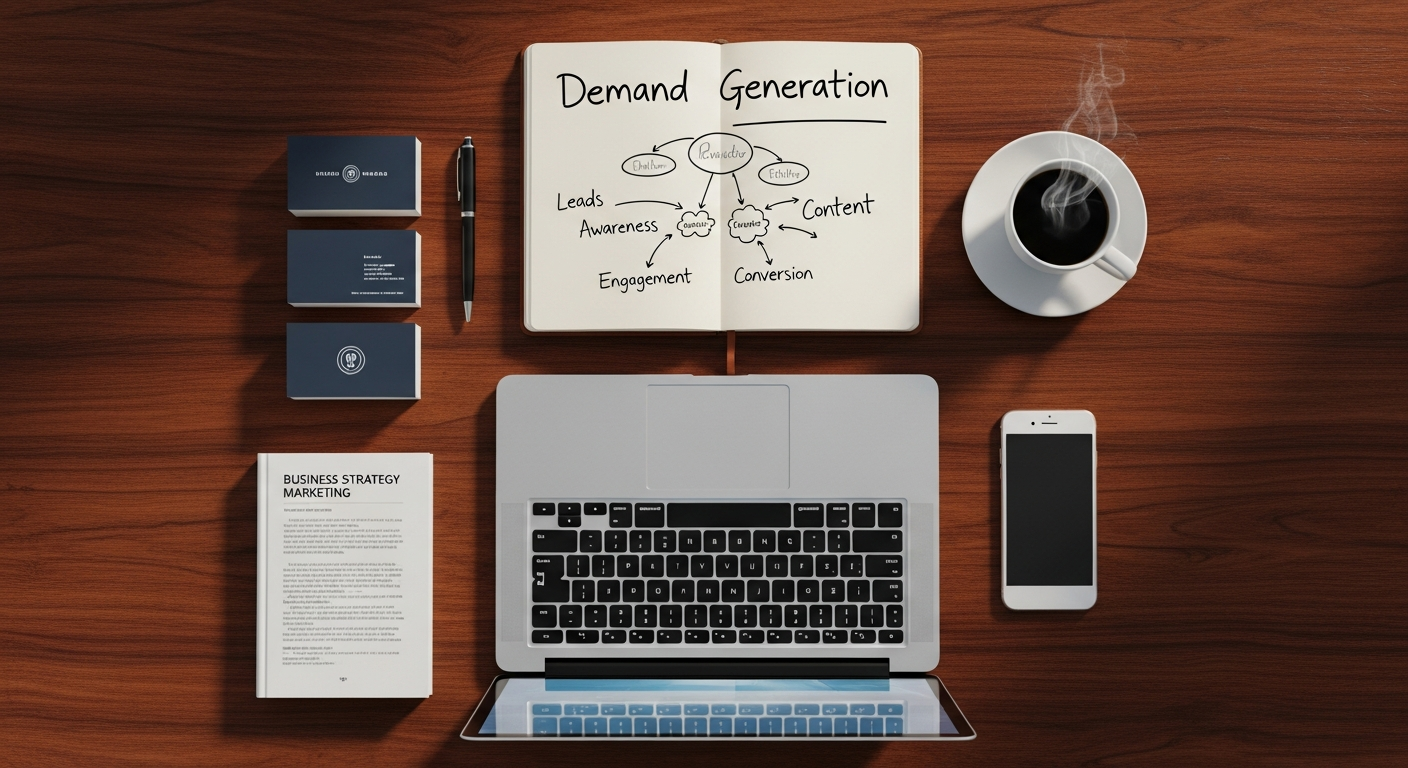
At its core, demand generation is about nurturing a relationship with potential customers over time. It encompasses all the marketing activities that help a business identify, attract, and engage its target audience, guiding them through the buyer’s journey from initial awareness to becoming a qualified lead. This process involves a strategic blend of content marketing, SEO, social media, email campaigns, webinars, events, and more, all working in concert to build a pipeline of interested prospects.
The objective isn’t just to generate leads; it’s to generate qualified leads by first generating genuine interest and understanding. This means moving beyond simple advertising to provide real value and insights that resonate with the challenges and aspirations of your ideal customer. For instance, a software company might publish comprehensive guides on industry best practices, host expert webinars, or create interactive tools, all designed to solve problems for their target audience, even if those problems don’t immediately point to their specific software solution. By doing so, they build trust and establish themselves as an authority, making their solution a natural consideration when the time comes.
Ultimately, a successful demand generation strategy ensures that when a prospect is ready to buy, your company is already top-of-mind, understood, and trusted. It’s a long-term investment that fuels the sales pipeline, reduces sales cycles, and improves conversion rates by creating a receptive and informed audience.
The Core Components of a Successful Demand Generation Strategy

Building a robust demand generation strategy requires a careful orchestration of several key components, each playing a vital role in attracting, engaging, and converting prospects. Ignoring any one of these can significantly hinder your overall effectiveness.
-
Target Audience Definition (Ideal Customer Profile – ICP and Buyer Personas):
The foundation of any successful demand generation effort is a deep understanding of who you are trying to reach. This goes beyond basic demographics. You need to define your Ideal Customer Profile (ICP), which describes the type of company that would benefit most from your offering. Once you have your ICP, you develop detailed buyer personas, representing the specific individuals within those companies who make purchasing decisions. This includes their roles, responsibilities, pain points, goals, challenges, preferred communication channels, and even their daily routines. Without a clear understanding of your audience, your marketing messages will fall flat, and your efforts will be scattered.
-
Compelling Content Strategy:
Content is the fuel for demand generation. It’s how you educate, inform, entertain, and persuade your audience. Your content strategy must align with your buyer personas and address their needs at every stage of the buyer’s journey. This includes a diverse range of formats:
- Awareness Stage: Blog posts, infographics, social media updates, short videos, industry reports.
- Consideration Stage: Whitepapers, e-books, webinars, case studies, comparison guides, expert interviews.
- Decision Stage: Product demos, free trials, consultations, testimonials, pricing guides.
The goal is to provide value, establish expertise, and build trust, positioning your brand as a go-to resource.
-
Multi-Channel Distribution and Promotion:
Creating great content is only half the battle; getting it in front of the right eyes is the other. A robust demand generation strategy leverages a mix of channels, often integrating elements of both Inbound Marketing Vs Outbound Marketing. While inbound focuses on attracting customers through valuable content and experiences tailored to them, demand generation also strategically uses outbound tactics to amplify reach. Key channels include:
- Search Engine Optimization (SEO): Optimizing content for search engines to attract organic traffic from prospects actively searching for solutions.
- Social Media Marketing: Engaging with target audiences on platforms like LinkedIn, X (formerly Twitter), and Facebook, sharing content, and participating in relevant conversations.
- Email Marketing: Nurturing prospects with targeted content, updates, and offers, segmenting lists based on engagement and interest.
- Paid Advertising (PPC, Social Ads): Reaching specific audiences with highly targeted ads on search engines and social platforms.
- Webinars and Virtual Events: Providing in-depth educational content and opportunities for direct engagement.
- Partnerships and Influencer Marketing: Collaborating with complementary businesses or industry influencers to expand reach and credibility.
-
Marketing Automation and Technology Stack:
Effective demand generation at scale is nearly impossible without the right technology. Marketing automation platforms (MAPs) are crucial for managing email campaigns, nurturing sequences, lead scoring, and tracking prospect interactions. Customer Relationship Management (CRM) systems integrate with MAPs to provide a unified view of the customer journey, ensuring seamless handover from marketing to sales. Other tools include analytics platforms, content management systems (CMS), and account-based marketing (ABM) tools. This technology stack helps to streamline processes, personalize communications, and measure performance efficiently, contributing to How To Improve Employee Productivity within your marketing team.
-
Data Analysis and Optimization:
Demand generation is an iterative process. Continuous monitoring, analysis, and optimization are essential for success. This involves tracking key performance indicators (KPIs) such as website traffic, content engagement, lead quality, conversion rates, and pipeline velocity. By analyzing this data, marketers can identify what’s working, what isn’t, and make informed adjustments to their strategy, content, and channel mix. A/B testing, feedback loops, and regular reporting ensure that efforts are constantly refined for maximum impact.
The Demand Generation Process: A Step-by-Step Guide
-
Awareness Stage: Attracting Attention and Educating the Market
This initial stage focuses on making your target audience aware of your brand, your solutions, and the problems you can help them solve. At this point, prospects might not even realize they have a specific need or understand the available solutions. The goal is to cast a wide, yet targeted, net.
- Activities: SEO-optimized blog posts, infographics, social media campaigns, thought leadership articles, public relations, educational webinars, brand advertising, guest posting, short explainer videos.
- Content Focus: High-level educational content, industry trends, problem identification, “how-to” guides, content that answers common questions without directly promoting your product.
- Example: A company offering cloud security solutions might publish articles on “The Rise of Cyber Threats in 2026” or “Understanding Data Privacy Regulations.”
-
Engagement Stage: Fostering Interaction and Interest
Once prospects are aware, the next step is to engage them further. This stage aims to capture their interest and encourage them to spend more time interacting with your brand and its content. It’s about deepening their understanding of the problem and the potential categories of solutions.
- Activities: Interactive content (quizzes, polls), longer-form blog posts, whitepapers, e-books, webinars requiring registration, email newsletter sign-ups, social media engagement (comments, shares), retargeting campaigns.
- Content Focus: More detailed explanations of problems, potential solutions categories, best practices, research findings, valuable resources that require a small commitment (e.g., email address).
- Example: Following up on the security article, the company might offer a whitepaper titled “A Comprehensive Guide to Cloud Security Frameworks” or host a webinar on “Selecting the Right Security Partner.”
-
Nurturing Stage: Building Relationships and Guiding Prospects
In this crucial stage, you nurture the engaged prospects, building trust and positioning your solution as the ideal fit for their specific needs. This is where personalized communication and segmented content become vital. Effective nurturing helps qualify leads and prepares them for sales.
- Activities: Targeted email drip campaigns, personalized content recommendations, case studies, success stories, product-specific webinars, free tools or templates, personalized demos, account-based marketing (ABM) tactics.
- Content Focus: Demonstrating expertise, showcasing success stories, addressing specific pain points with your solution, competitive comparisons (subtle), ROI calculators, deeper dives into product features and benefits.
- Example: For prospects who downloaded the whitepaper, the security company might send a series of emails detailing how their specific platform addresses the challenges outlined, including a case study of a similar business.
-
Conversion Stage: Qualifying Leads and Facilitating Sales
At this point, prospects have a clear understanding of their problem and how your solution can address it. The conversion stage is about identifying sales-ready leads (Marketing Qualified Leads – MQLs and Sales Qualified Leads – SQLs) and smoothly transitioning them to the sales team. This is where demand generation efforts directly feed the sales pipeline.
- Activities: Offers for product demos, free trials, consultations, pricing requests, calls to action for direct sales contact, lead scoring, CRM integration for seamless handover to sales.
- Content Focus: Direct sales enablement content, testimonials, detailed product specifications, implementation guides, FAQs about purchasing and onboarding.
- Example: The security company offers a free security assessment or a personalized demo of their platform to nurtured leads, with clear calls to action to speak with a sales representative.
-
Advocacy Stage: Retaining and Expanding Customer Relationships
Demand generation doesn’t end with a sale. Retaining customers and turning them into advocates is essential for long-term growth. This stage focuses on ensuring customer satisfaction, encouraging repeat business, and leveraging existing customers to generate new demand.
- Activities: Customer success programs, exclusive content for customers, loyalty programs, soliciting reviews and testimonials, referral programs, upsell/cross-sell campaigns, community building.
- Content Focus: Product updates, advanced tips, success stories featuring current customers, thought leadership for existing users, invitations to exclusive events.
- Example: The security company provides ongoing educational resources for its customers, invites them to an exclusive user conference, and encourages them to share their positive experiences through testimonials or case studies.
Demand Generation vs. Lead Generation: Understanding the Difference
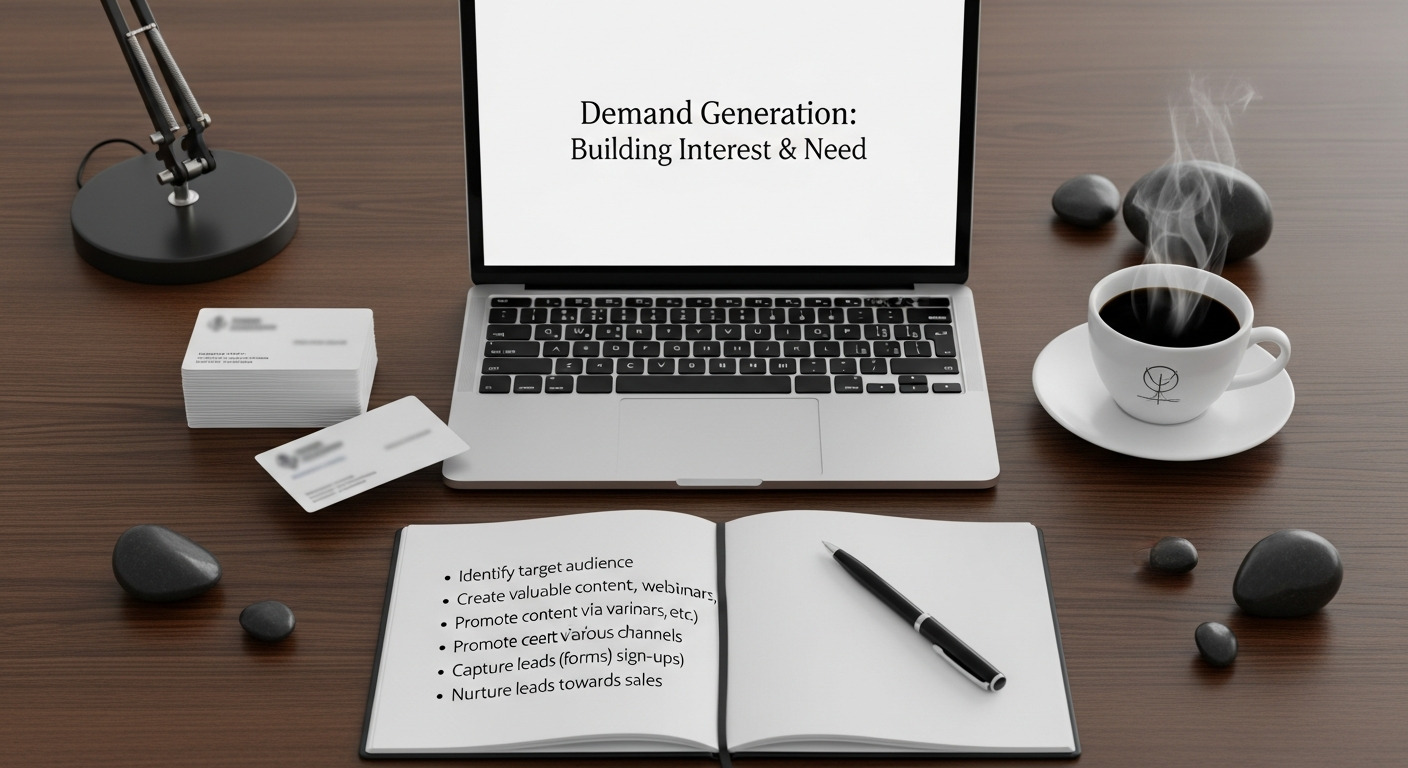
While often used interchangeably, demand generation and lead generation are distinct concepts within the broader marketing landscape. They are complementary, but understanding their differences is crucial for strategic planning.
Lead Generation:
Lead generation is primarily focused on identifying and capturing contact information from potential customers who have already shown some level of interest in your product or service. It’s about filling the sales funnel with prospects. Think of it as collecting names and contact details of people who have raised their hand, even slightly.
- Primary Goal: Acquire contact information (leads).
- Tactics: Gated content (e.g., “Download this e-book by providing your email”), contact forms, free trials, demo requests, cold outreach, event sign-ups.
- Focus: Converting existing interest into identifiable leads.
- Time Horizon: Often shorter-term, focused on immediate conversions.
- Metric Example: Number of MQLs (Marketing Qualified Leads) generated.
Demand Generation:
Demand generation, as we’ve explored, is a much broader, more strategic approach. It encompasses all marketing activities designed to create awareness, educate the market, and build a desire for your products or services, even before a prospect is actively looking for a solution. It’s about shaping the market, not just reacting to it.
- Primary Goal: Create market awareness, educate prospects, build brand authority, and cultivate a long-term relationship with the target audience.
- Tactics: SEO, content marketing (ungated and gated), social media engagement, webinars, PR, brand building, thought leadership, community management. It often involves elements of both Inbound Marketing Vs Outbound Marketing, strategically using outbound to amplify inbound efforts.
- Focus: Cultivating interest, educating the market, and positioning the company as a trusted solution provider.
- Time Horizon: Long-term, foundational strategy.
- Metric Example: Website traffic, brand mentions, content engagement, pipeline velocity, overall revenue growth attributed to marketing efforts.
The Relationship:
Demand generation sets the stage for lead generation. A strong demand generation strategy will naturally lead to more, and higher-quality, leads. Without demand generation, lead generation efforts might struggle to find an audience or attract less qualified prospects. Imagine trying to collect names for a new product without anyone knowing what the product is or why they might need it – that’s lead generation without prior demand generation. Conversely, demand generation without a clear path to capture leads means you’re building interest but not capitalizing on it. They are two sides of the same coin, working synergistically to fill and progress the sales pipeline.
For example, a company might use demand generation tactics like informative blog posts and industry reports to attract visitors to their website (creating demand). Once on the site, these visitors might encounter a call to action to download a more in-depth guide, requiring their email address – this is where lead generation kicks in, capturing the contact information of an interested prospect cultivated by the demand generation efforts.
Key Strategies and Tactics for Effective Demand Generation
To successfully execute a demand generation strategy, marketers leverage a diverse toolkit of strategies and tactics. The most effective approaches often integrate multiple channels and content formats, all aligned with the buyer’s journey.
-
Content Marketing (The Cornerstone):
As discussed, content is central. This includes creating high-quality, valuable, and relevant content that educates, informs, and entertains your target audience. Types of content include:
- Blog Posts & Articles: Regular, SEO-optimized articles addressing common pain points, industry trends, and “how-to” guides.
- Whitepapers & E-books: In-depth resources that provide comprehensive insights into complex topics, often used for lead capture.
- Case Studies & Testimonials: Showcasing real-world success stories to build credibility and demonstrate ROI.
- Videos & Webinars: Engaging visual content and live/on-demand educational sessions that allow for deeper dives and interaction.
- Infographics & Interactive Content: Visually appealing and engaging formats that simplify complex information or provide personalized experiences.
The goal is to provide value at every touchpoint, positioning your brand as an authority.
-
Search Engine Optimization (SEO):
A fundamental demand generation tactic, SEO ensures your content is discoverable by prospects actively searching for solutions. This involves:
- Keyword Research: Identifying the terms and phrases your target audience uses.
- On-Page SEO: Optimizing content, meta descriptions, titles, and images for search engines.
- Technical SEO: Ensuring your website is fast, mobile-friendly, and crawlable.
- Off-Page SEO: Building high-quality backlinks and establishing domain authority.
Effective SEO drives organic traffic, bringing in prospects who are already showing intent and interest, making it a powerful inbound marketing component.
-
Social Media Marketing:
Social platforms are excellent for building awareness, engaging with communities, and distributing content. For B2B, LinkedIn is often paramount, but platforms like X, Facebook, and even Instagram can be effective for specific audiences.
- Organic Social: Sharing content, engaging in discussions, building a community, and establishing thought leadership.
- Paid Social: Highly targeted advertising campaigns to reach specific demographics, job titles, or interests, amplifying your demand generation content.
-
Email Marketing & Nurturing:
Once you’ve captured an email address (through lead generation tactics), email becomes a critical channel for nurturing prospects through the buyer’s journey. This involves:
- Segmentation: Dividing your audience into groups based on their interests, behaviors, or demographics.
- Personalization: Tailoring email content to individual preferences and past interactions.
- Automated Drip Campaigns: Setting up sequences of emails that are triggered by specific actions or at predefined intervals.
Email marketing is highly effective for building relationships, delivering targeted content, and moving prospects from awareness to conversion.
-
Paid Advertising (PPC & Display):
While organic methods build long-term equity, paid advertising offers immediate visibility and precise targeting. This is a key outbound marketing component within demand gen.
- Search Engine Marketing (SEM/PPC): Placing ads on search engine results pages (SERPs) for relevant keywords.
- Display Advertising: Banner ads on websites and apps, often used for retargeting prospects who have previously interacted with your brand.
- Programmatic Advertising: Automated, data-driven buying and selling of online ad space.
Paid ads can quickly drive traffic to your content, increasing awareness and accelerating the demand generation process.
-
Account-Based Marketing (ABM):
For B2B companies with high-value clients, ABM is a highly targeted approach where marketing and sales teams work together to treat individual accounts (companies) as markets of one. It involves:
- Identifying Target Accounts: Focusing on specific companies that represent your ideal customer profile.
- Personalized Campaigns: Creating highly customized content and outreach strategies for each account.
- Coordinated Efforts: Ensuring marketing and sales are aligned in their approach to each target account.
ABM is particularly effective for generating demand within a defined set of strategic prospects.
-
Partnerships and Co-Marketing:
Collaborating with complementary businesses or industry influencers can significantly expand your reach and credibility. This might involve:
- Joint Webinars or E-books: Creating content together and cross-promoting to each other’s audiences.
- Guest Blogging: Writing for or hosting content from partners to tap into new audiences.
- Referral Programs: Leveraging existing networks to generate new demand.
Measuring Success in Demand Generation
Measuring the effectiveness of demand generation efforts is critical for demonstrating ROI, optimizing strategies, and securing future investment. Unlike some marketing activities that might focus on a single metric, demand generation requires a holistic view across the entire buyer’s journey.
Here are key metrics and KPIs to track:
-
Website Traffic & Engagement:
- Overall Website Visits: Indicates general awareness and interest.
- Unique Visitors: Shows the number of distinct individuals reached.
- Time on Page & Bounce Rate: Measures content quality and engagement levels.
- Pages Per Session: Reflects how deeply prospects are exploring your site.
-
Content Performance:
- Content Downloads/Views: How many times specific assets (whitepapers, e-books, videos) are accessed.
- Social Shares & Comments: Indicates resonance and virality of content.
- SEO Rankings: Position of your content for target keywords.
-
Lead Volume and Quality:
- Marketing Qualified Leads (MQLs): Leads identified by marketing as having engaged sufficiently and fitting the ICP.
- Sales Qualified Leads (SQLs): MQLs accepted by sales as ready for direct outreach.
- Lead-to-Opportunity Conversion Rate: Percentage of leads that become sales opportunities.
- Lead-to-Customer Conversion Rate: Percentage of leads that ultimately become paying customers.
-
Pipeline and Revenue Metrics:
- Pipeline Value: The total potential revenue from all active sales opportunities.
- Pipeline Velocity: How quickly leads move through the sales pipeline.
- Customer Acquisition Cost (CAC): The total cost of marketing and sales efforts required to acquire a new customer.
- Marketing-Generated Revenue: Revenue directly attributable to demand generation campaigns.
- Return on Investment (ROI): The financial return generated from demand generation investments.
-
Brand Awareness & Sentiment:
- Brand Mentions: How often your brand is mentioned across various channels.
- Social Media Reach & Impressions: The total number of unique users who saw your content and the total number of times your content was displayed.
- Share of Voice: Your brand’s presence in discussions compared to competitors.
To effectively measure these, a robust analytics infrastructure and integrated marketing and sales platforms (CRM, MAP) are essential. Regular reporting and attribution modeling help understand which touchpoints contribute most to demand creation and conversion. This continuous feedback loop is vital for optimizing campaigns and ensuring that demand generation efforts are consistently driving business growth and demonstrating tangible value. Companies often find that investing in tools and processes to track these metrics also helps them understand How To Improve Employee Productivity within their marketing and sales teams, as they can focus resources on the most impactful activities.
The Future of Demand Generation: Trends to Watch in 2026
The landscape of demand generation is constantly evolving, driven by technological advancements, changing consumer behaviors, and increased competition. As we look towards 2026, several key trends are poised to reshape how businesses create and capture demand.
-
Hyper-Personalization at Scale:
Generic marketing messages are becoming obsolete. In 2026, demand generation will lean even more heavily into hyper-personalization, enabled by advanced AI and data analytics. This means delivering highly relevant content, offers, and experiences tailored to individual prospect needs, preferences, and real-time behaviors, not just segmented groups. AI will analyze vast amounts of data to predict what content a prospect needs next, automating the delivery of personalized journeys across multiple touchpoints.
-
AI and Machine Learning Integration:
Artificial intelligence and machine learning will move beyond basic automation to power more sophisticated aspects of demand generation. This includes:
- Predictive Analytics: Identifying which prospects are most likely to convert, allowing for more focused effort.
- Content Creation & Optimization: AI-assisted content generation, topic clustering, and real-time content performance analysis to suggest improvements.
- Automated Campaign Optimization: AI dynamically adjusting ad bids, targeting, and creative based on performance.
- Chatbots & Conversational AI: Providing instant, personalized interactions for lead qualification and content delivery.
These tools will significantly enhance efficiency and effectiveness, further contributing to How To Improve Employee Productivity for marketing teams.
-
First-Party Data Dominance and Privacy Focus:
With the deprecation of third-party cookies and increasing privacy regulations (like GDPR and CCPA), first-party data will become the gold standard. Demand generation strategies will prioritize collecting and leveraging data directly from customer interactions with your brand. This will necessitate transparent data collection practices and a greater emphasis on building direct relationships and trust to encourage data sharing. Companies that excel at managing their first-party data will have a significant competitive advantage.
-
Enhanced Account-Based Marketing (ABM) Maturity:
ABM will continue to mature, integrating more deeply with AI and personalized content delivery. Expect to see more sophisticated ABM platforms that offer deeper insights into target accounts, automate personalized outreach across more channels, and provide seamless alignment between sales and marketing teams. The focus will be on creating highly relevant and valuable experiences for key accounts throughout their entire lifecycle.
-
Interactive and Immersive Content Experiences:
Beyond traditional content, interactive elements will become more prevalent to capture attention and gather valuable prospect data. This includes interactive quizzes, calculators, configurators, virtual events, augmented reality (AR) experiences, and even early explorations into metaverse marketing. These immersive experiences will offer richer engagement and more memorable brand interactions.
-
Strategic Partnerships and Ecosystem Building:
Businesses will increasingly look to form strategic partnerships and build ecosystems to expand their reach and offer more comprehensive solutions. This could involve co-marketing with complementary vendors, integrating with other platforms, or participating in industry alliances. These partnerships will create new channels for demand generation and reinforce brand authority within broader industry contexts. This also ties into the concept of What Is Business Process Outsourcing, as companies might outsource aspects of their demand generation or partner with specialist agencies to leverage external expertise and scale efficiently.
-
Focus on Customer Experience (CX) Across the Entire Journey:
Demand generation will increasingly integrate with broader customer experience initiatives. Every interaction, from the first touchpoint to post-purchase support, will be viewed as an opportunity to build trust and strengthen the brand relationship. A seamless, positive customer experience will itself become a powerful demand generator, driving referrals and repeat business.
Frequently Asked Questions About Demand Generation
Q1: What is the primary difference between demand generation and marketing?
A1: Marketing is a broad discipline encompassing all activities a company undertakes to promote the buying or selling of a product or service. Demand generation is a specific, strategic subset of marketing focused on creating awareness, educating the market, and stimulating interest in a company’s offerings before a direct sales interaction. It’s about cultivating a receptive audience, whereas marketing also includes activities like branding, market research, pricing, and distribution.
Q2: Why is demand generation important for B2B businesses?
A2: For B2B businesses, demand generation is crucial because it addresses longer sales cycles, higher average deal values, and the need for multiple stakeholders to be involved in purchase decisions. It builds trust and authority, educates complex buyers, and ensures that when a business is ready to buy, your solution is already top-of-mind and understood, leading to more qualified leads and ultimately, more predictable revenue.
Q3: How does demand generation relate to inbound marketing?
A3: Inbound marketing is a methodology that focuses on attracting customers by creating valuable content and experiences tailored to them. Demand generation often leverages many inbound marketing tactics (like content marketing and SEO) to attract and educate prospects. However, demand generation is broader; it also strategically incorporates outbound elements (like targeted paid ads) to amplify reach and build demand. It’s about creating and capturing demand through any effective means, not just strictly “inbound” pulls.
Q4: Can small businesses effectively implement demand generation?
A4: Absolutely. While larger companies might have more resources, small businesses can implement demand generation effectively by focusing on niche audiences, leveraging cost-effective digital channels (like organic social media and blogging), and prioritizing highly valuable content. The principles remain the same: understand your audience, provide value, and build relationships. It might even be a good candidate for What Is Business Process Outsourcing if internal resources are limited, allowing them to tap into specialized marketing expertise.
Q5: What are the biggest challenges in demand generation?
A5: Common challenges include creating high-quality, consistent content; accurately identifying and targeting the ideal customer profile; measuring ROI effectively across multiple touchpoints; aligning sales and marketing teams; and keeping up with evolving technologies and market trends. Ensuring a seamless buyer journey and maintaining a healthy budget for long-term strategies are also significant hurdles.
Q6: How long does it take to see results from demand generation?
A6: Demand generation is a long-term strategy, and significant, measurable results typically take several months to a year or more to fully materialize. While some tactics like paid ads can yield quicker results, the true power of demand generation lies in building brand authority, trust, and a robust pipeline over time. It’s an investment in sustainable growth, not a quick fix for immediate sales.
Recommended Resources
Learn more about this topic in How To Start A Dropshipping Business at AssetBar.
You might also enjoy Real Estate Investing For Beginners from Fin3go.