
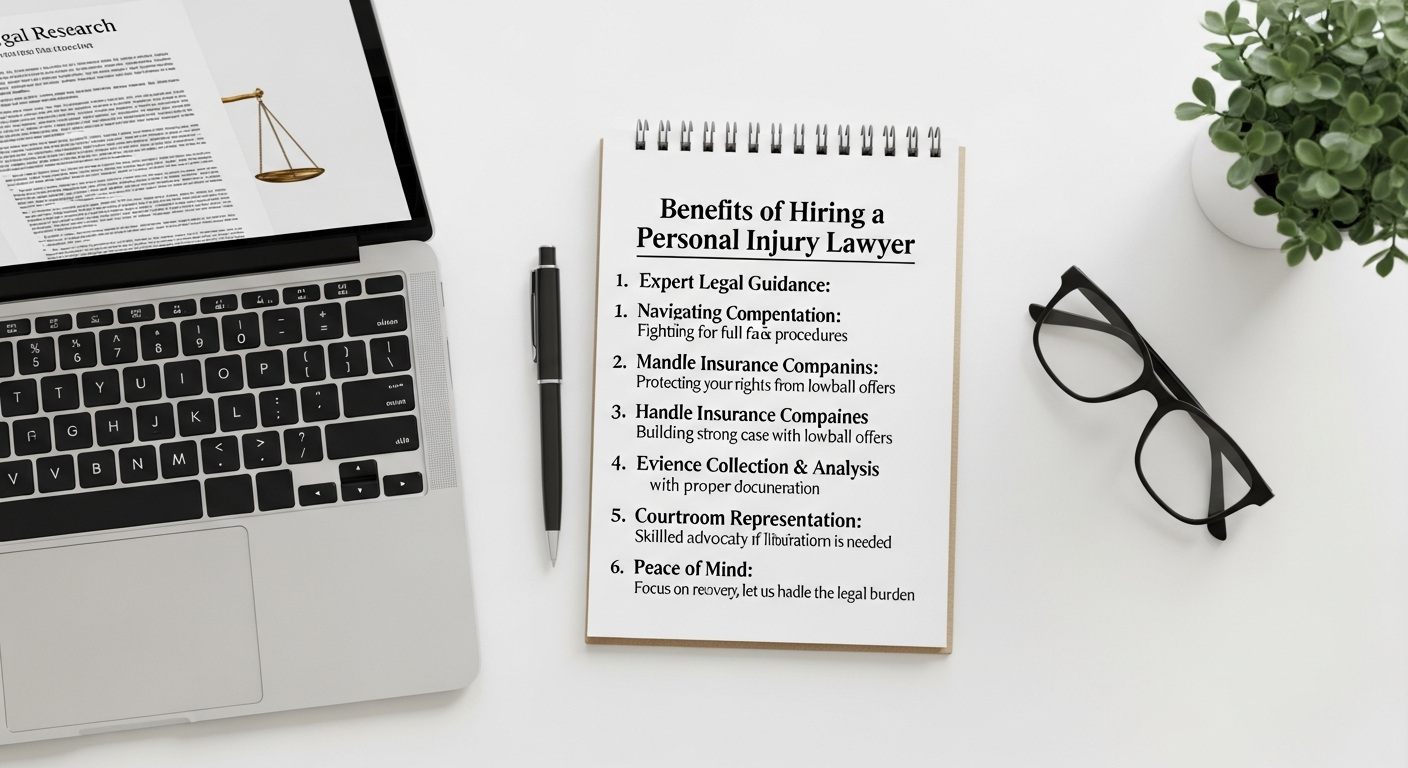
The Intricate Labyrinth of Personal Injury Law: Why Expertise is Non-Negotiable
For the uninitiated, personal injury law appears deceptively straightforward on the surface – someone was injured due to another’s negligence, and compensation is due. However, beneath this veneer lies a complex, often bewildering labyrinth of statutes, precedents, procedural rules, and evidentiary requirements. For B2B professionals accustomed to the structured logic of business operations, delving into the intricacies of tort law, comparative negligence, and statutory limitations can be a profound diversion of valuable time and mental energy, resources better allocated to recovery and career advancement.
Consider the sheer volume of legal knowledge required: from understanding the specific nuances of negligence in different contexts (auto accidents, slip-and-falls, product liability, medical malpractice) to interpreting local, state, and even federal regulations that might apply. Each jurisdiction possesses its own unique set of rules regarding everything from the statute of limitations – the strict deadline for filing a lawsuit – to the admissibility of certain types of evidence. Missing a deadline or failing to present evidence correctly can irrevocably damage a case, regardless of its underlying merit.
Moreover, personal injury law is not static. It evolves with new legislation, landmark court decisions, and societal shifts. A seasoned personal injury lawyer remains perpetually abreast of these changes, understanding how they might impact your case. They possess the analytical acumen to dissect complex fact patterns, identify all potentially liable parties, and construct a compelling legal theory that aligns with current legal standards.
For a professional, whose time is often measured in billable hours or strategic deliverables, attempting to self-navigate this legal landscape is not merely inefficient; it’s a high-risk proposition. The learning curve is steep, the stakes are immense, and the potential for costly errors is significant. Engaging a personal injury lawyer means immediately leveraging specialized knowledge, allowing you to focus on your recovery and professional responsibilities while a dedicated expert manages the intricate legal framework on your behalf. This strategic delegation ensures that your case is handled with the precision and authority it deserves, laying a robust foundation for a successful outcome from the outset.
Maximizing Your Compensation: Beyond the Obvious Medical Bills
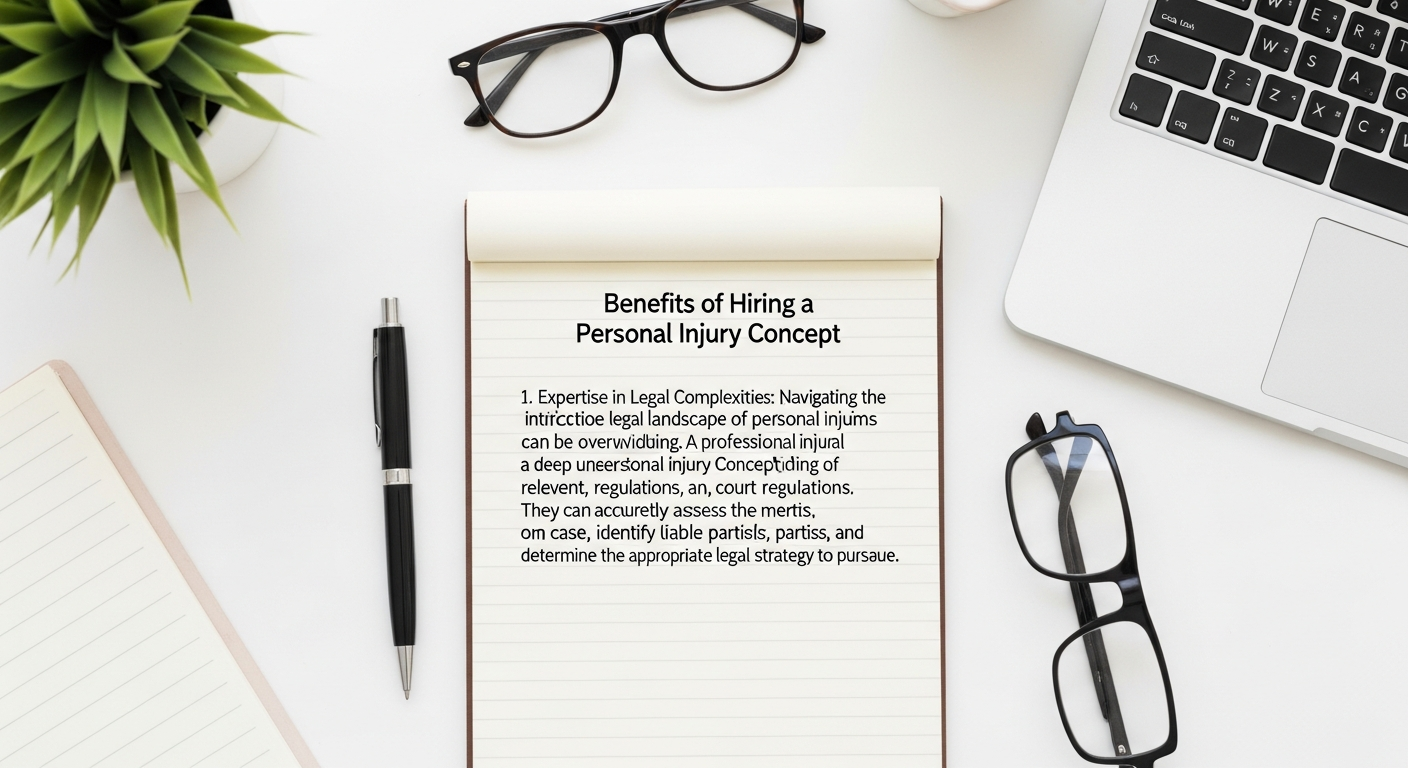
One of the primary and most compelling benefits of hiring a personal injury lawyer is their ability to accurately assess and aggressively pursue the full spectrum of damages you are entitled to. Many individuals, when faced with an injury, tend to focus solely on immediate medical expenses. While crucial, these costs represent only a fraction of the true financial and personal impact of an injury. A skilled personal injury attorney looks at the broader, long-term picture, ensuring that no potential avenue for compensation is overlooked.
This comprehensive approach includes:
- Medical Expenses: Not just current bills, but projected future medical costs, including rehabilitation, ongoing therapy, medications, and potential surgeries over the span of your lifetime.
- Lost Wages and Earning Capacity: This is particularly critical for B2B professionals. It encompasses not only the income you lost while unable to work but also the potential future income you might forfeit due to long-term disability, reduced capacity, or necessary career changes. A lawyer can engage economists and vocational experts to meticulously calculate these future losses, which can be substantial for high-earning individuals.
- Pain and Suffering: This non-economic damage compensates for the physical pain, discomfort, and emotional distress caused by the injury. Quantifying pain and suffering is subjective, but experienced lawyers utilize established methodologies, past case precedents, and compelling narratives to argue for fair compensation in this category.
- Emotional Distress: Beyond physical pain, injuries often lead to anxiety, depression, PTSD, and other psychological impacts. A lawyer can help document these effects through medical records and expert testimony.
- Loss of Consortium: If the injury impacts your relationship with your spouse or family members, compensation for loss of companionship, affection, and support may be sought.
- Property Damage: In cases like car accidents, damage to your vehicle or other personal property is also included in the claim.
- Punitive Damages: In rare cases, where the at-fault party’s conduct was egregious or malicious, punitive damages may be awarded to punish the wrongdoer and deter similar conduct in the future.
Insurance companies, on the other hand, often attempt to minimize payouts. They may offer a quick, lowball settlement that covers only immediate, obvious costs, hoping you’ll accept it out of desperation or lack of awareness. A personal injury lawyer understands these tactics and is adept at countering them. They possess the negotiation skills and legal leverage to demand a fair and comprehensive settlement that truly reflects the full extent of your losses, protecting your financial future and allowing you to focus on recovery without the added burden of economic uncertainty.
Navigating the Gauntlet of Insurance Companies: A Strategic Buffer
Insurance adjusters are highly trained professionals whose job it is to settle claims for the least amount possible. They employ various tactics, including:
- Requesting Recorded Statements: Often framed as a routine part of the investigation, these statements can be used later to twist your words, find inconsistencies, or elicit admissions of fault.
- Minimizing Injuries: They may suggest your injuries are not as severe as claimed, or that pre-existing conditions are the real cause.
- Delay Tactics: Prolonging the process in hopes that you will become desperate and accept a lower offer.
- Offering Quick, Low Settlements: Pressuring you to accept an offer before the full extent of your injuries and long-term costs are known.
- Accessing Medical Records: Requesting broad access to your entire medical history, even unrelated to the accident, to find anything that could be used against you.
A personal injury lawyer acts as an indispensable buffer between you and these aggressive tactics. They handle all communications with the insurance company, ensuring that your rights are protected and that you do not inadvertently say or do anything that could jeopardize your claim. They understand the legal limits of what information adjusters are entitled to and will shield you from intrusive or misleading inquiries.
Furthermore, a lawyer speaks the language of insurance adjusters and knows how to present your case in a way that maximizes its value. They can provide the necessary documentation, articulate the legal arguments, and demonstrate the potential for litigation if a fair settlement is not reached. This strategic positioning often compels insurance companies to take your claim more seriously and negotiate in good faith, knowing they are dealing with a formidable legal professional rather than an uninformed individual. For a B2B professional, this strategic buffering allows for mental clarity, reducing the emotional toll and allowing focus on recovery and existing professional commitments, rather than engaging in contentious, time-consuming disputes with insurance giants.
Strategic Case Management and Evidence Collection: Building an Unassailable Foundation

In any legal battle, evidence is king. The strength of a personal injury case hinges on the meticulous collection, preservation, and presentation of compelling evidence. This is another area where the expertise of a personal injury lawyer proves invaluable, transforming a collection of facts into an unassailable legal narrative. For professionals who understand the importance of data-driven decisions and robust project management, the lawyer’s role in strategic case management resonates deeply.
Immediately following an accident, critical evidence can be lost or compromised. A personal injury lawyer acts swiftly to:
- Document the Scene: This includes obtaining accident reports, photographs of the scene, vehicle damage, and visible injuries.
- Identify and Interview Witnesses: Witness testimony can be crucial, and a lawyer knows how to secure sworn statements that stand up in court.
- Gather Medical Records: Comprehensive medical documentation is essential, including initial reports, diagnostic imaging, treatment plans, and prognoses. A lawyer ensures all relevant records are obtained and accurately reflect the severity and long-term implications of your injuries.
- Collect Financial Documentation: Proof of lost wages, future earning capacity, and other financial losses requires detailed documentation such as pay stubs, tax returns, and employment contracts.
- Engage Expert Witnesses: Depending on the complexity of the case, a lawyer may bring in accident reconstructionists, medical specialists, vocational experts, or economists. These experts provide objective, authoritative testimony that can significantly strengthen your claim, explaining complex concepts to a jury or judge.
- Preserve Physical Evidence: From damaged vehicles to defective products, ensuring physical evidence is preserved and analyzed correctly is vital.
- Understand Deadlines: Strict statutes of limitations apply to personal injury claims. Missing these deadlines can permanently bar your ability to seek compensation. A lawyer ensures all filings and actions are taken within the prescribed legal timeframes.
Beyond mere collection, a lawyer strategically organizes and synthesizes this evidence, weaving it into a coherent and persuasive argument that clearly demonstrates negligence, causation, and damages. They anticipate opposing arguments and proactively gather counter-evidence, building a resilient case that can withstand scrutiny. This proactive, detail-oriented approach to case management is akin to a finely tuned business strategy, ensuring that every piece of the puzzle contributes to a successful outcome. Without this level of strategic oversight, even a strong case can falter due to procedural missteps or insufficient evidentiary support.
Reducing Stress and Time Burden: Enabling Focus on Recovery and Career
An unexpected personal injury is not just a physical ordeal; it’s a profound source of mental and emotional stress. The pain, the medical appointments, the financial worries, and the bewildering legal process can collectively overwhelm even the most resilient individual. For B2B professionals, who often operate under high-pressure environments, this added stress can be particularly debilitating, impacting their ability to recover, perform at work, and maintain their professional edge. One of the most significant, yet often underestimated, benefits of hiring a personal injury lawyer is the profound reduction in stress and time burden they provide.
Imagine trying to manage complex legal paperwork, negotiate with aggressive insurance adjusters, track medical bills, and coordinate expert testimony, all while recovering from physical injuries and attempting to stay productive in your career. This scenario is a recipe for burnout and can severely impede both your physical recovery and your professional responsibilities. It’s akin to trying to beat fatigue when standing at work for extended periods without proper ergonomic support or breaks – the sustained effort without relief inevitably leads to exhaustion and diminished performance.
A personal injury lawyer effectively takes the entire legal and administrative burden off your shoulders. They handle:
- All communications with insurance companies, opposing counsel, and other parties.
- The meticulous collection and organization of all necessary documentation.
- Scheduling and attending depositions, court hearings, and mediations.
- Researching legal precedents and constructing legal arguments.
- Managing all deadlines and procedural requirements.
By delegating these complex and time-consuming tasks to a legal professional, you gain invaluable peace of mind. You are freed to focus on what truly matters: your physical rehabilitation, your mental well-being, and maintaining your professional commitments. This strategic offloading of responsibility is not a luxury; it’s a necessity for professionals who understand the value of their time and mental energy. It allows you to conserve your cognitive resources, crucial for avoiding mental fatigue and ensuring you can return to your optimal professional capacity as quickly as possible. The lawyer becomes your shield, your advocate, and your project manager, allowing you to navigate a deeply challenging personal crisis with minimal disruption to your core life functions.
Preparing for Trial: The Leverage of Litigation Readiness
While a significant majority of personal injury cases are resolved through settlements, the readiness and ability to take a case to trial serve as a powerful leverage point in negotiations. Insurance companies and opposing counsel often evaluate a case based on the likelihood of success if it were to proceed to a courtroom. A personal injury lawyer who is experienced in litigation and thoroughly prepares every case as if it will go to trial significantly enhances your position at the negotiation table.
Trial preparation is an exhaustive and intricate process that demands extensive legal expertise and strategic foresight. It involves:
- Discovery: This phase involves exchanging information and evidence with the opposing side. It includes written interrogatories (questions that must be answered under oath), requests for production of documents, and requests for admissions.
- Depositions: These are sworn testimonies taken out-of-court from witnesses and parties involved in the case. Your lawyer prepares you thoroughly for your deposition, guiding you on how to answer questions truthfully while protecting your interests. They also depose opposing parties and witnesses, gathering crucial information and assessing their credibility.
- Expert Witness Preparation: If expert witnesses are involved, your lawyer works closely with them to ensure their testimony is clear, compelling, and scientifically sound, capable of withstanding cross-examination.
- Motion Practice: Lawyers file various motions with the court, such as motions to compel discovery, motions to exclude certain evidence, or motions for summary judgment, which can shape the course and outcome of the trial.
- Jury Selection: If the case proceeds to a jury trial, your lawyer will be instrumental in the jury selection process, strategically choosing jurors who are likely to be impartial and receptive to your case.
- Trial Strategy and Presentation: Developing a cohesive narrative, preparing opening and closing statements, direct and cross-examinations, and organizing exhibits are all critical components of trial preparation.
For B2B professionals, understanding the strategic importance of trial readiness is key. It signals to the opposing side that you are serious about your claim and are backed by legal counsel capable of navigating the high stakes of a courtroom. This readiness often incentivizes a more favorable settlement offer, as the costs and uncertainties of trial are significant for all parties involved. By having a lawyer who is not only a skilled negotiator but also a formidable litigator, you equip yourself with the ultimate form of leverage, ensuring that your case is valued appropriately and pursued with unwavering determination, whether through settlement or verdict.
The Long-Term Impact on Your Career and Future: A Strategic Investment
Beyond the immediate concerns of medical bills and lost wages, a personal injury case, if poorly managed, can cast a long shadow over a professional’s career and future prospects. For career-focused individuals, maintaining reputation, financial stability, and career progression are paramount. Hiring a personal injury lawyer is not just about resolving a current crisis; it’s a strategic investment in protecting your long-term professional and personal future.
Consider the potential ramifications of an unresolved or inadequately compensated injury:
- Financial Instability: Mounting medical debts, inability to work, and insufficient compensation can lead to severe financial strain, impacting credit scores, investment plans, and overall financial security. This directly affects one’s ability to maintain a professional standard of living and pursue career opportunities that require financial stability.
- Career Disruption and Stagnation: A prolonged legal battle without professional guidance can consume mental energy, divert focus from work, and even lead to job loss or an inability to advance. If an injury results in permanent disability, a lawyer ensures you are compensated for retraining, career changes, or lost earning potential, allowing for a smoother transition.
- Erosion of Professional Confidence: The stress and uncertainty of an injury case can chip away at one’s confidence, affecting performance in the workplace and interactions with colleagues and clients. A clear, decisive resolution allows you to regain control and rebuild your professional persona.
- Delayed Return to Normality: Lingering legal issues mean lingering stress. A swift and fair resolution facilitated by a lawyer allows you to close this chapter and fully commit to your recovery and return to normalcy, both personally and professionally.
In 2026, as the professional landscape continues to evolve, embracing trends like the new professional embracing relaxed structure in mens work ready suits signifies an individual who is confident, adaptable, and in control of their professional image and trajectory. However, it’s difficult to embody such a poised and forward-thinking persona when one is simultaneously battling an unresolved personal injury claim that drains resources and mental bandwidth. A lingering legal and financial burden can prevent a professional from truly embracing this relaxed yet authoritative posture, as the underlying stress constantly impacts their focus and demeanor.
By securing optimal compensation for all damages, including future medical needs and lost earning capacity, a personal injury lawyer ensures that you have the financial foundation to navigate life post-injury. This allows you to focus on rebuilding your health and career, perhaps even pursuing new professional avenues or embracing new work-life balances, without the constant worry of financial instability. It’s about securing the resources you need to maintain your professional dignity, protect your future earning potential, and confidently step back into your career, ready to embrace its challenges and opportunities, fully embodying the composed and strategic professional you aspire to be.
Frequently Asked Questions
Recommended Resources
You might also enjoy What Is Bootstrapping A Business from AssetBar.
You might also enjoy Remote Team Management Best Practices from Page Release.